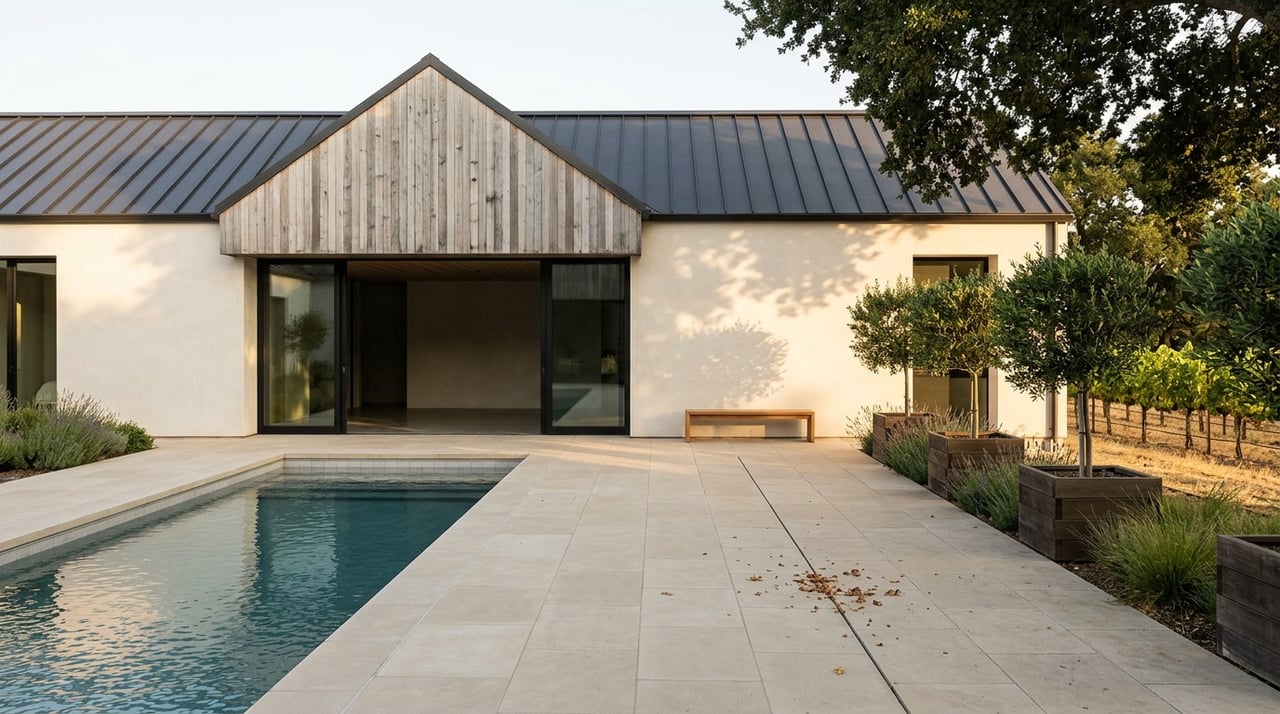
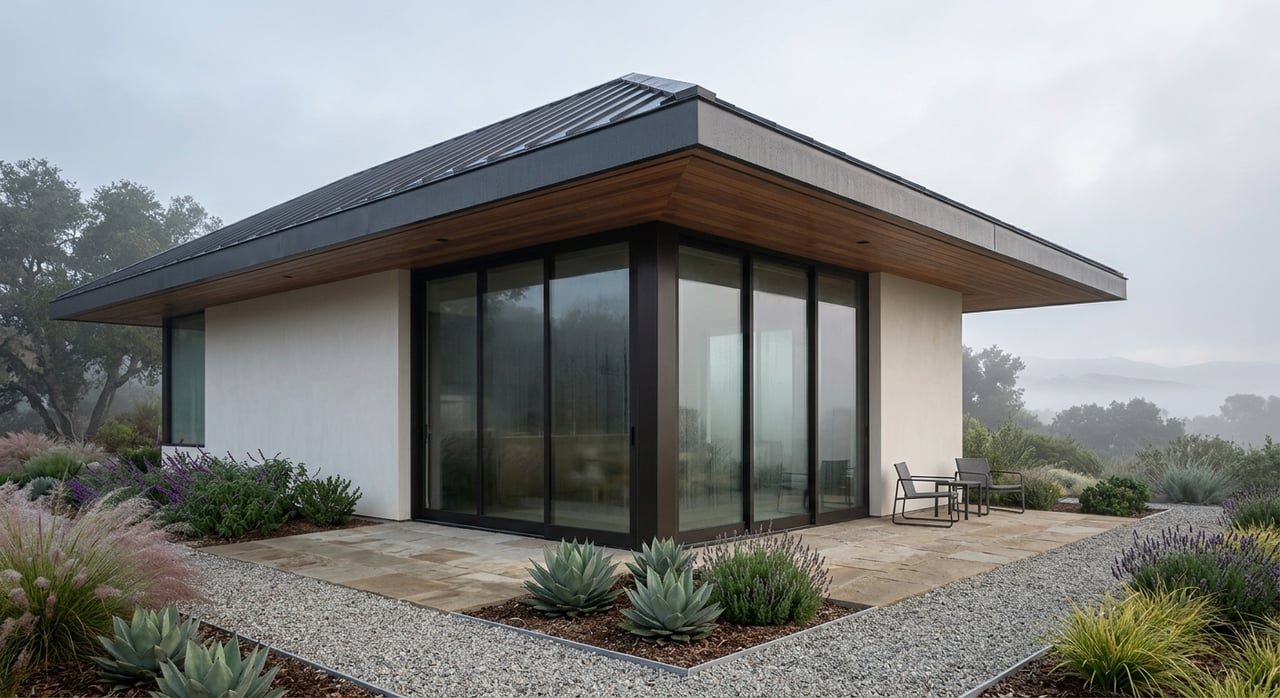
What if your next home could also be your private vineyard and a working wine project? If you are exploring Kenwood, you are likely balancing dreams of views and privacy with questions about grapes, water, and permits. You want clarity, not jargon. In this guide, you will get a shared vocabulary, a practical framework, and a due diligence checklist to evaluate vineyard estates in Kenwood with confidence. Let’s dive in.
What “vineyard estate” means in Kenwood
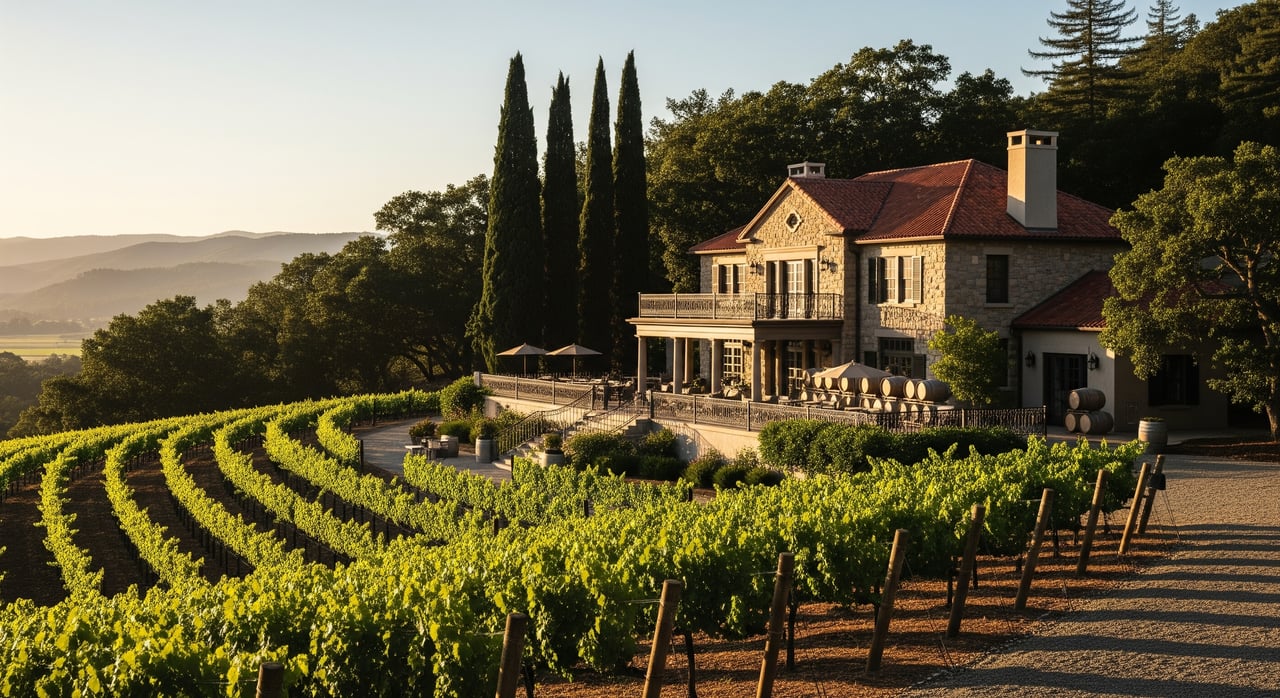
A vineyard estate in Kenwood is a private property centered on both residential lifestyle and vineyard or wine production attributes. You are buying more than a house. You are buying land, vines, and the systems that support them. It is a market term, not a single legal designation, so you need to separate the romance from the reality.
Planted acres vs. total acres
- Total acreage is the whole parcel: residence, vineyard, open space, roads, and easements.
- Planted acreage is the portion under vine, whether bearing or not.
- Buyers often compare properties by planted acres because it signals production potential. Make sure you understand both numbers.
Bearing, non-bearing, and replant cycles
- Bearing vines produce commercial yields now.
- Non-bearing vines are young or recently replanted and will need time to produce.
- Replant cycles affect near-term cash flow and the timing of your first vintage. Confirm vine age and replant history.
AVA, terroir, and “estate” on a label
Kenwood sits within Sonoma Valley, often called the Valley of the Moon. You will see Sonoma Valley AVA referenced for both marketing and labeling context. If you plan to bottle wine, familiarize yourself with federal rules for AVA use and what qualifies as “estate bottled.” In general, AVA labeling requires a set percentage of grapes from the named AVA, and “estate bottled” requires ownership or control of the vineyards and winemaking on the same bonded premises. If labeling matters to you, plan to consult a licensing specialist.
Acreage and configuration
How much land do you truly need? In Kenwood, buyers often think in three bands:
- Small hobby estate: less than 5 to 10 total acres with 1 to 5 acres planted.
- Lifestyle estate: 10 to 25 acres with several planted acres, guest or caretaker housing, and potential for boutique production if permitted.
- Production estate: 25 or more acres with significant planted acreage and either an existing winery or a clear path to entitlement.
Parcel shape and access also matter. A well-shaped parcel with practical road access reduces farming costs and helps with privacy and operations.
Microclimate, slope, and aspect
Kenwood’s mix of valley floor and surrounding hills creates a range of microclimates. South and west exposures, elevation, fog influence, and wind patterns shape ripening windows, sugar accumulation, and acid retention. Orientation also affects frost risk. When you review a property, make note of slope, aspect, and elevation. These details guide varietal choices and farming strategies and influence quality and yield.
Soils and plantability
Soils in Sonoma Valley vary widely, from loam to volcanic and rocky hillside mixes. Soil depth, drainage, and rock content affect plantability, rootstock choice, and vigor. Steeper, rockier ground can produce excellent fruit but often adds cost and reduces mechanization. Ask for soils reports and any vineyard suitability assessments before you assume expansion is feasible.
Water, irrigation, and rights
Reliable water is essential. Vineyard irrigation depends on well yield, possible municipal access, storage tanks or ponds, and any applicable rights or agreements. In California, water oversight is complex. Confirm well logs, pump tests, historical irrigation use, and any water-sharing or surface water rights tied to the parcel. Water availability and approvals are often decisive in both pricing and future plans.
Infrastructure that changes value
The right infrastructure can shift a property from lifestyle to production.
Vineyard infrastructure
Look for trellising type, vine spacing, drip irrigation, frost protection systems, internal roads for farming and harvest, and fencing for wildlife management. These reduce annual operating risk and cost.
Production infrastructure
Crush pads, cold storage, stainless tanks, barrel rooms, lab space, and wastewater systems signal serious production potential. When these are present and properly permitted, they can raise immediate utility and resale value.
Residential and hospitality
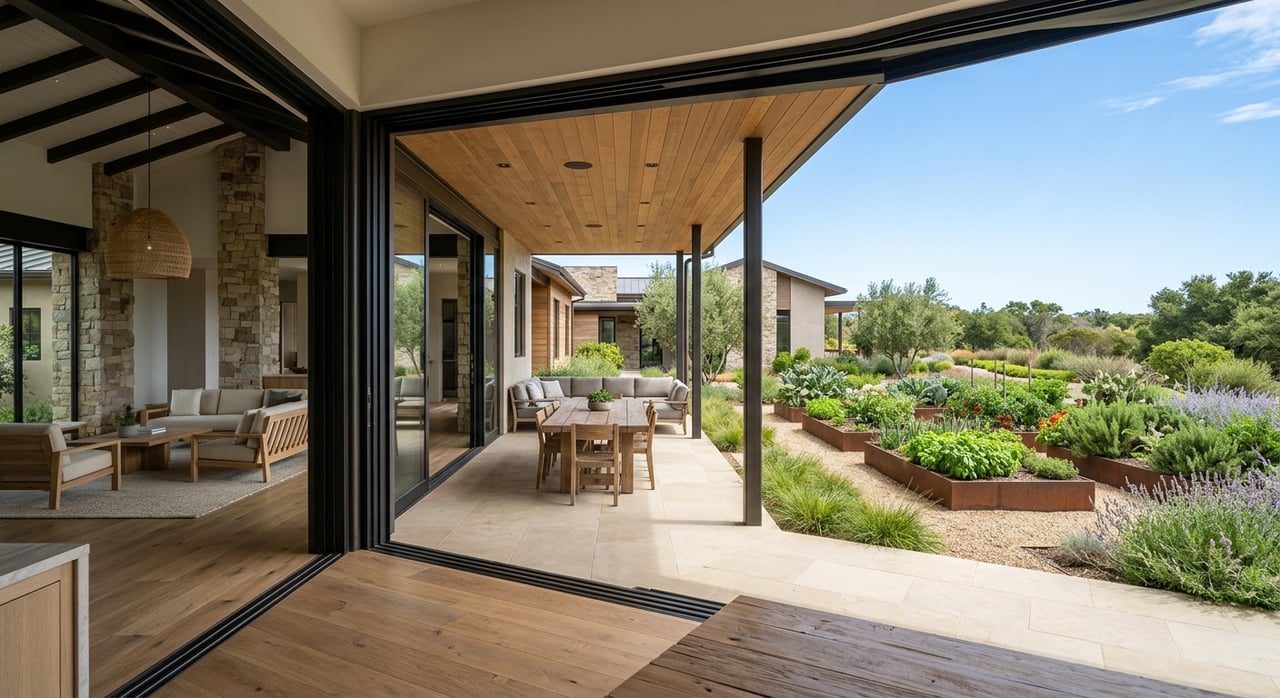
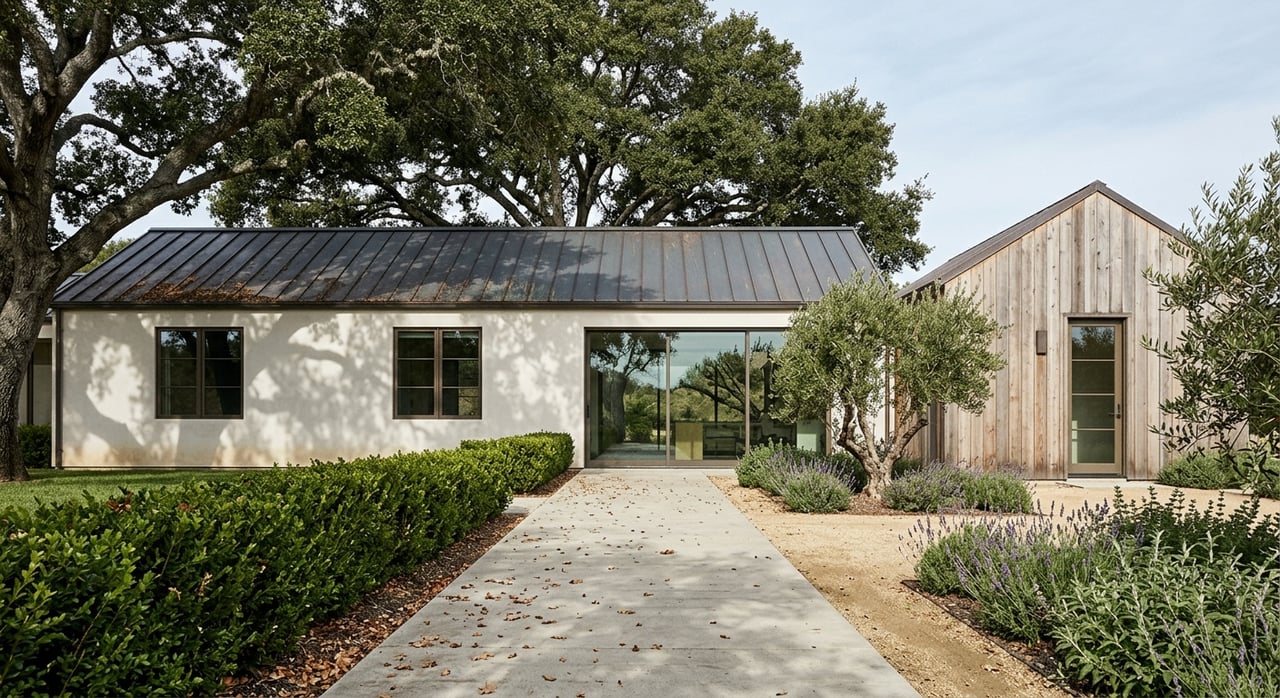
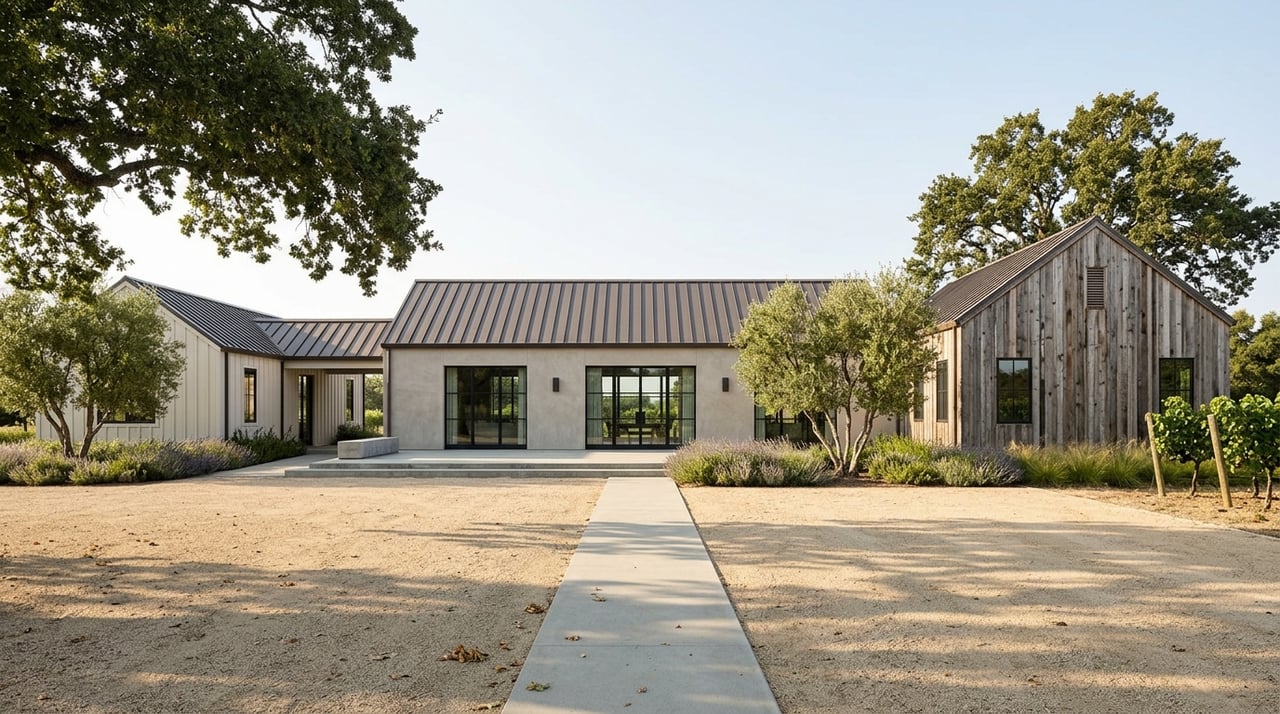
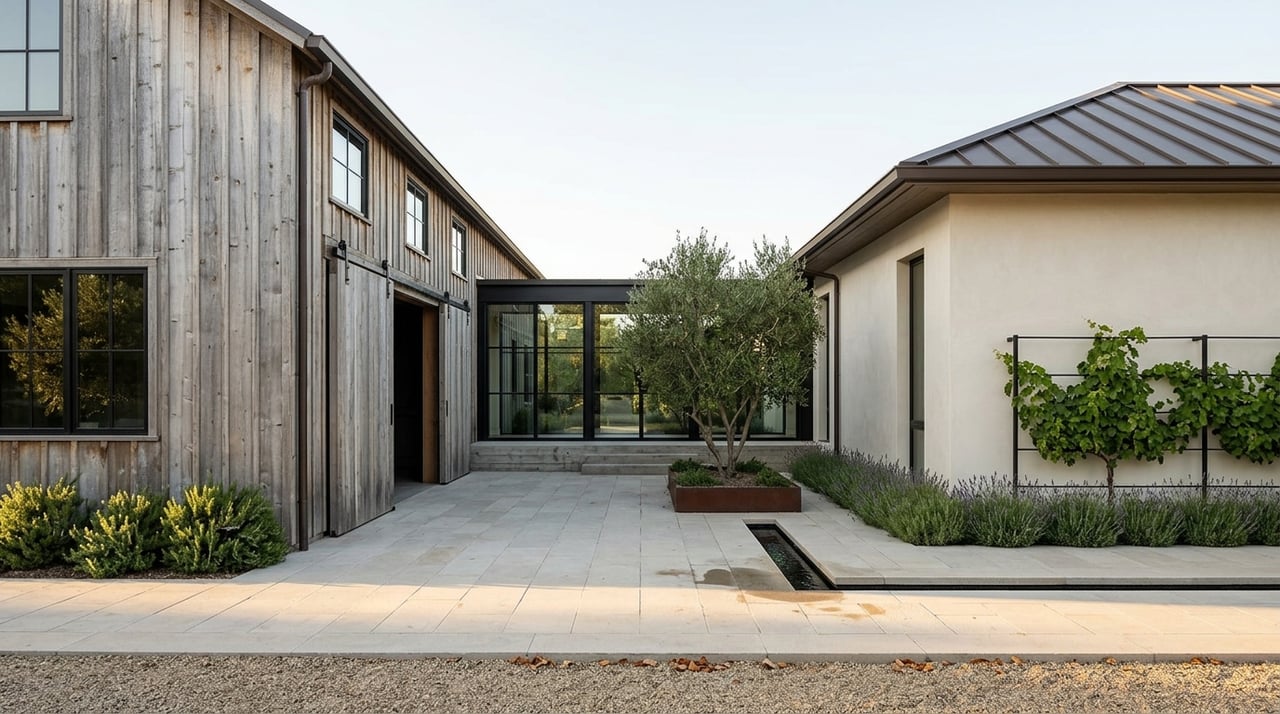
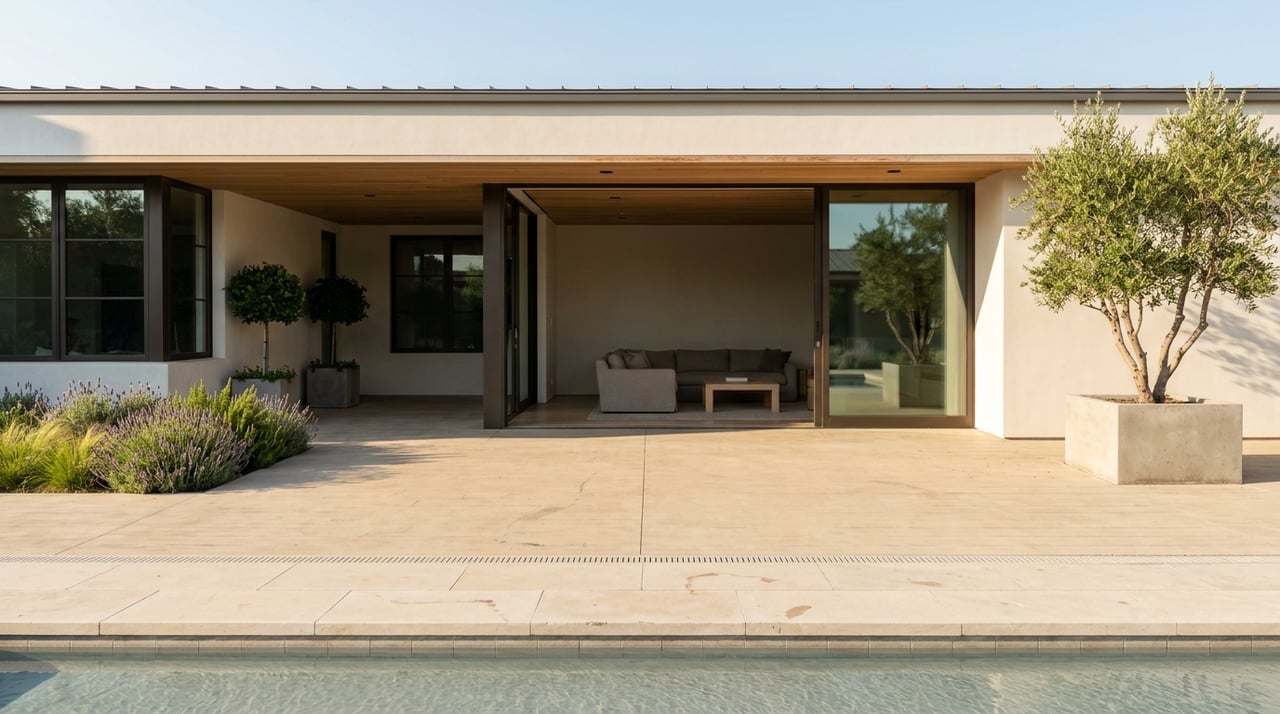
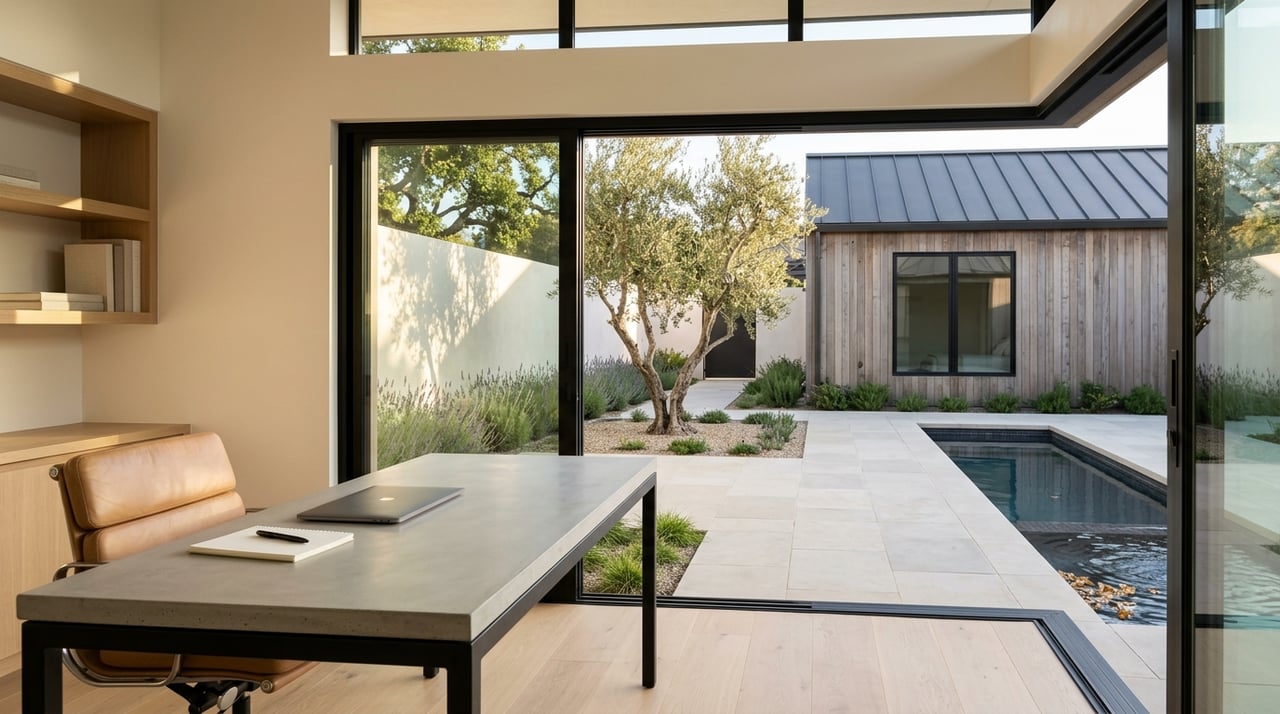
Primary residences, guest or caretaker housing, pools, and event-oriented spaces shape the lifestyle story. If you plan limited hospitality or private events, understand how existing structures align with your goals and local rules.
Operational variables that affect pricing
Not all vines are created equal in the market. Pay attention to:
- Varietal mix and clone choices. These influence price per ton and brand positioning.
- Yield history in tons per acre. Past performance guides your near-term financial expectations.
- Vine age and health. Younger blocks can delay returns, while older blocks may need replant.
- Certifications such as organic, biodynamic, or SIP. These add marketing value when backed by documentation and history.
Permits and entitlements in Sonoma County
Commercial winery use typically requires a county use permit with defined production limits, visitor or tasting allowances, and event caps. Wastewater treatment standards, parking, and traffic can also be part of the conditions. Properties marketed with an existing winery should provide the permit documents and conditions. If you see “potential for a winery,” plan for a feasibility review with the county. The timing and scope of entitlements are often the single biggest drivers of a property’s commercial value.
Environmental and wildfire context
Wildfire is a real consideration in Sonoma County, including Kenwood. Assess building materials, defensible space, emergency access, and on-site water for suppression such as ponds or tanks. Insurance availability and cost can be affected by location and mitigation. Review hazard maps and local fire history to understand your risk profile and plan improvements.
Water, septic, and building limits
Well permits and septic capacity set practical limits on how many bedrooms you can add or how many restrooms a tasting room might support. Large gatherings and hospitality uses often require wastewater systems beyond standard septic. Building and fire codes will shape renovation plans, materials, and costs.
Taxes and agricultural classification
Agricultural classification and related property tax benefits may depend on minimum income or acreage thresholds. If you plan to convert land to vineyard or add winery operations, talk with the county assessor and your tax advisor early. Proper planning can align your operating plan with tax treatment.
A buyer’s due diligence checklist
Use this focused checklist to shorten timelines and reduce surprises:
- Title and easements: Current title report, recorded easements, rights of way, access, and any conservation or agricultural restrictions.
- Zoning and entitlements: Current zoning, permitted uses, winery use permits, production and visitor limits, event allowances, and transferability of approvals.
- Permits and compliance: Building permits for residences and outbuildings, well and septic permits, grading permits, and any code enforcement history.
- AVA and labeling: If you intend to bottle and market wine, verify eligibility for AVA use and what “estate” claims are permissible.
- Water supply: Well logs, pump tests, water rights, historical irrigation usage, pond permits, and any water-sharing agreements.
- Soils and plantability: Soils reports, geotechnical studies for steep sites, erosion control plans, and vineyard suitability assessments.
- Vineyard records: Planting maps, varietals and clones, rootstocks, trellis systems, vine age, tonnage history, management schedules, and pest or disease history.
- Environmental and wildfire risk: Any environmental site assessments, hazard map review, completed mitigation, and available water for fire suppression.
- Wastewater and winery effluent: Septic capacity, on-site treatment systems, and approvals for winery wastewater discharge.
- Infrastructure inventory: Condition and specifications of winemaking equipment, tanks, buildings, roads, drip systems, and fencing.
- Operating history and financials: If there is an active winery or grape sales, request financial statements, sales history, distributor or custom crush agreements.
- Insurance: Current coverage, carrier appetite, and expected costs given location and materials.
- Neighbors and view considerations: Adjacency to other vineyards, potential development, view or noise constraints, and any recorded view easements.
Estate archetypes in the Kenwood market
Understanding the common profiles helps you compare options.
Hobby or lifestyle vineyard estate
- 2 to 10 total acres, usually less than 5 acres planted.
- Primary residence and possibly a small guest or caretaker unit.
- Designed for private use or very small direct-to-consumer projects.
- Limited entitlement needs. Commercial upside is not the core story.
Lifestyle with boutique production potential
- 10 to 25 total acres with 5 to 15 acres planted.
- Primary residence plus guest or caretaker housing and full vineyard infrastructure.
- May hold a minor winery permit or be set up to apply.
- Balanced narrative: private retreat plus focused, small-scale production and limited events as allowed.
Full production estate
- 25 or more acres with significant planted acreage.
- Existing permitted winery and full production infrastructure such as crush pad, tanks, and barrel storage.
- May include employee or caretaker housing.
- A true commercial business layered with a luxury lifestyle property.
How to evaluate your fit
- Clarify your primary goal: lifestyle retreat, boutique label, or full production.
- Set non-negotiables: privacy, views, guest housing, or existing winery permits.
- Align budget with planted acres and entitlement status rather than total size alone.
- Build your diligence team early: land-use counsel, permitting consultant, viticulturist, hydrogeologist, civil engineer, and insurance advisor.
- Model years 1 to 5: factor replant timelines, bearing status, water infrastructure, and likely permit pathways.
When you ground your search in clear definitions, viticultural realities, and permit constraints, you make faster, better decisions. If you want to explore off-market options or pressure-test a property you are already considering, a senior-led advisory process can help you translate land, vines, and approvals into a plan that fits your life.
Ready to map your goals to the right acreage, vines, and entitlements in Kenwood? Connect with The Goldman Gray Group for a private, senior-led consultation and a clear next step.
FAQs
What makes a Kenwood property a true “vineyard estate”?
- It blends residential lifestyle with vineyard or wine production attributes, including planted vines or plantable land, infrastructure, water, and a path to permits.
How many planted acres do I need for meaningful production?
- It depends on your goals. Buyers often view 5 to 15 planted acres as boutique scale and larger plantings with permits as production-oriented.
Why are entitlements so important in Sonoma County?
- Winery permits define production caps, visitor limits, events, and wastewater requirements. These conditions drive both operations and property value.
How do microclimate and slope affect value in Kenwood?
- Exposure, elevation, fog, and wind influence ripening and frost risk. The right slope and aspect can improve quality but may add farming costs.
What water due diligence should I complete before buying?
- Verify well logs, pump tests, storage, historical irrigation use, and any rights or agreements. Water reliability is central to vineyard viability.
How does wildfire risk impact a vineyard estate purchase?
- Risk and mitigation affect insurance and safety. Review hazard maps, defensible space, building materials, and available water for suppression.