Your Glen Ellen Lifestyle Guide to Everyday Living
January 1, 2026
January 1, 2026
What does day-to-day life in Glen Ellen really feel like when the tasting buses are gone and the sun sets behind Sonoma Mountain? If you are considering a move from out of the area, you want more than pretty vineyard photos. You want to know the pace, the routines, and the small details that shape daily living. This guide gives you a clear picture of Glen Ellen’s village core, wine and dining scene, outdoor access, practical living factors, and how it compares to nearby towns. Let’s dive in.
Glen Ellen is a small, walkable village at the heart of Sonoma Valley. You will find a compact main street, vineyard views in every direction, and immediate access to trails and open space. The atmosphere is rural and relaxed, with an outdoors-and-wine lifestyle that favors quiet mornings and golden-hour evenings.
Larger services sit outside the village. You will use Sonoma or Santa Rosa for major groceries, hospitals, and most big-box shopping. Many residents blend village life with regional amenities, which keeps Glen Ellen intimate and unhurried.
Weekdays tend to run quiet, especially in the mornings and afternoons. Cafés and tasting rooms may keep limited hours, and many residents commute to Sonoma, Santa Rosa, or the Bay Area. If you rely on contractors or deliveries, expect a defined service window.
Weekends and harvest season feel livelier. Late summer and fall bring more visitors, winery shuttles, and peak parking near tasting clusters and Jack London State Historic Park. Spring is lush with wildflowers, late summer and fall bring harvest activity, and winter is cooler, wetter, and calmer.
The village center is small by design. You get a handful of restaurants and cafés, a few tasting rooms, and local services. It is perfect for morning coffee, an easy lunch, or an early dinner after a hike.
Think of it as a meeting point and errand hub, not a full commercial district. For everyday essentials and specialty shopping, you will make short drives to neighboring towns.
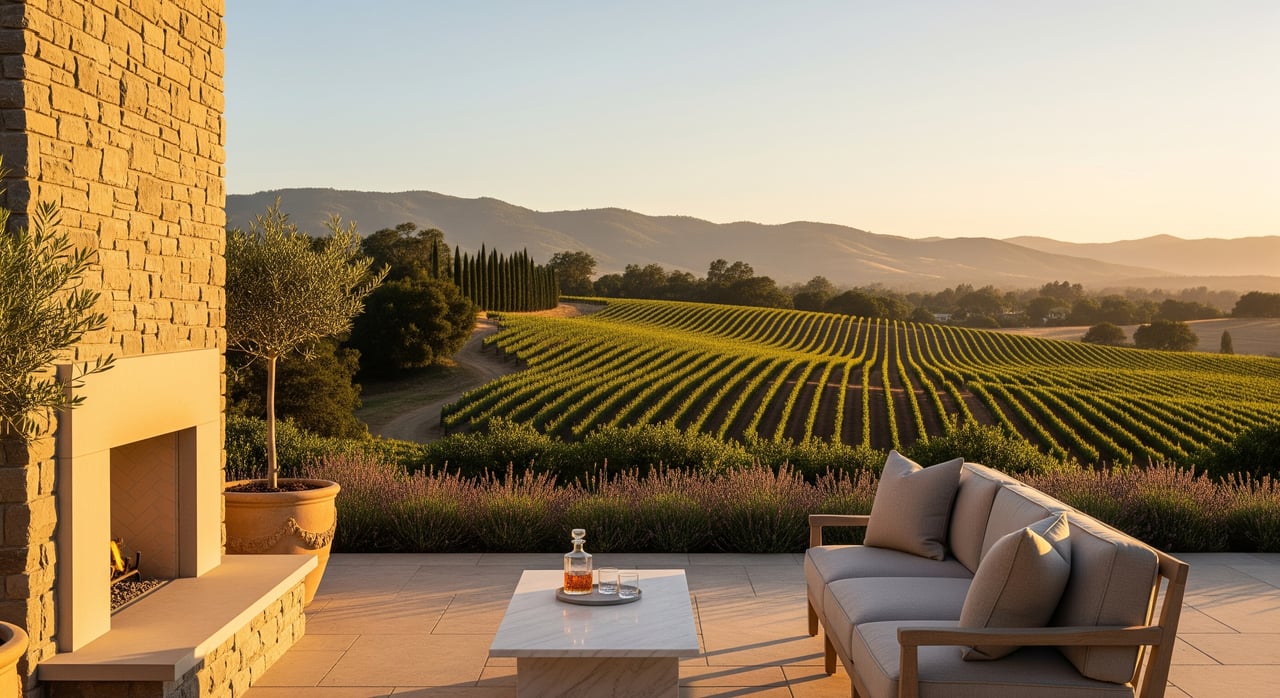
Glen Ellen sits within the Sonoma Valley AVA. You will find boutique tasting rooms, small family operations, and established vineyards that highlight sustainable practices and seasonal experiences. Reservations are increasingly common, and many tasting rooms manage daily capacity, especially on weekends and during harvest.
If you plan to own a vineyard-adjacent property, plan for practical land stewardship. Water and soil care, possible vineyard management, and seasonal logistics are part of the local rhythm. Many owners appreciate the connection to the land and the visual beauty it provides.
Local dining leans toward cafés, farm-to-table restaurants, and bistro-style spots with seasonal menus. The food culture favors locally sourced ingredients and thoughtful wine pairings. You will not find big nightlife here, and that is part of the charm.
For groceries, think small local markets in the village for quick trips and Sonoma or Santa Rosa for full-service supermarkets and broader selection. Many residents keep a weekly routine that includes both.
Jack London State Historic Park is the centerpiece of Glen Ellen’s cultural and outdoor scene. You can explore historic buildings and the well-known Wolf House ruins, stroll through estate gardens, and enjoy a network of trails that range from short walks to ridge routes with panoramic valley views.
A few quick tips for a smooth visit:
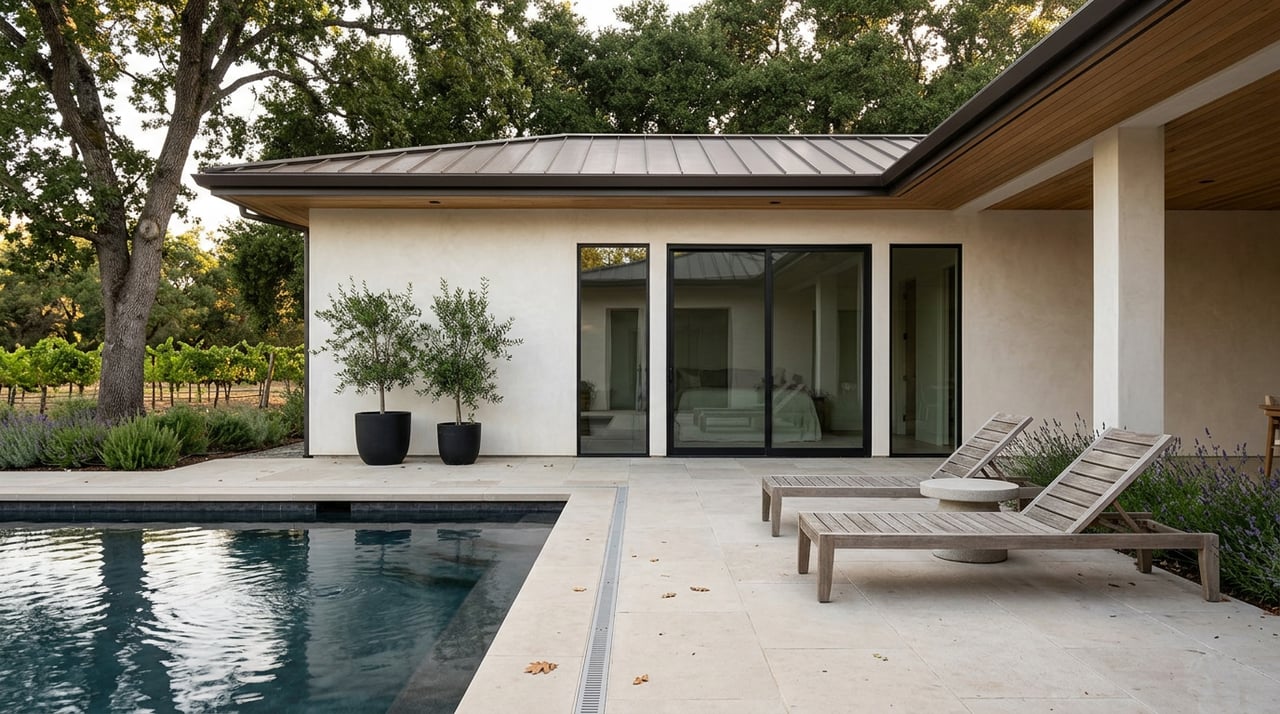
Glen Ellen offers a mix of small village cottages, ranch homes, vineyard parcels, and heritage estates. Lot sizes vary widely. As you evaluate properties, it helps to build a thorough diligence checklist.
Key items to verify for any specific parcel:
Water sources and wastewater systems can differ by address. Some properties use private wells or community systems, and septic is common outside denser areas. Confirm well logs, yield, and any drought-related restrictions with local authorities.
Broadband coverage varies across rural parcels. Regional cable and telephone providers cover many addresses, and satellite options can fill gaps. Always confirm service availability for the specific property and check coverage maps before you commit.
Wildfire risk is a central consideration in Sonoma Valley’s foothills and rural zones. Review current fire hazard maps, defensible-space requirements, and local ordinances for the property you are considering. Insurance costs can be higher in some areas, and availability may differ by carrier. It is wise to learn evacuation routes and connect with local fire district resources.
Primary healthcare and hospitals are based in nearby Sonoma and Santa Rosa. Schools are served by Sonoma Valley districts, and assignments can change over time, so confirm with district maps for a given address. For banking, DMV, and county services, you will likely visit Sonoma or Santa Rosa.
Glen Ellen is primarily car-dependent. Roads can be narrow and hilly, and traffic varies with visitor peaks. Sonoma Plaza is a quick drive, Santa Rosa is a moderate commute, and San Francisco or Silicon Valley drives are feasible for those who combine on-site days with hybrid work. Public transit exists but is not as frequent as urban systems, so check current schedules if you plan to use it.
Capture the elements that define Glen Ellen’s spirit:
If Glen Ellen’s rhythm speaks to you, it helps to partner with a senior-led team that understands the land, the market, and the lifestyle that draws people here. We advise on complex properties, from vineyard parcels and heritage estates to hospitality-capable assets, and we tailor each search or sale with discreet, hands-on service. Ready to explore your fit in Sonoma Valley? Connect with The Goldman Gray Group to request a private consultation.
Stay up to date on the latest real estate trends.