Essential Equestrian Property Features in Petaluma
January 15, 2026
January 15, 2026
Dreaming of riding at home in Petaluma but not sure which features truly matter? You are not alone. Horse properties here vary widely in terrain, infrastructure, and maintenance needs, and the details can shape your daily routine and long‑term value. In this guide, you will learn the essential features to look for, why they matter in Petaluma’s climate, and how they influence lifestyle and resale. Let’s dive in.
A parcel’s gross acreage is the number you see on the tax map. Usable acreage is what you can safely fence, graze, ride, or build on. Steeper slopes, seasonal creeks, riparian setbacks, wetlands, and existing structures often reduce what is truly usable.
In the Petaluma area, wet winter soils can limit paddocks and arenas without improved drainage. Usable acreage affects stocking capacity, barn and arena placement, and potential for future paddocks or pasture upgrades. When comparing properties, prioritize how the land functions day to day over an impressive raw acreage number.
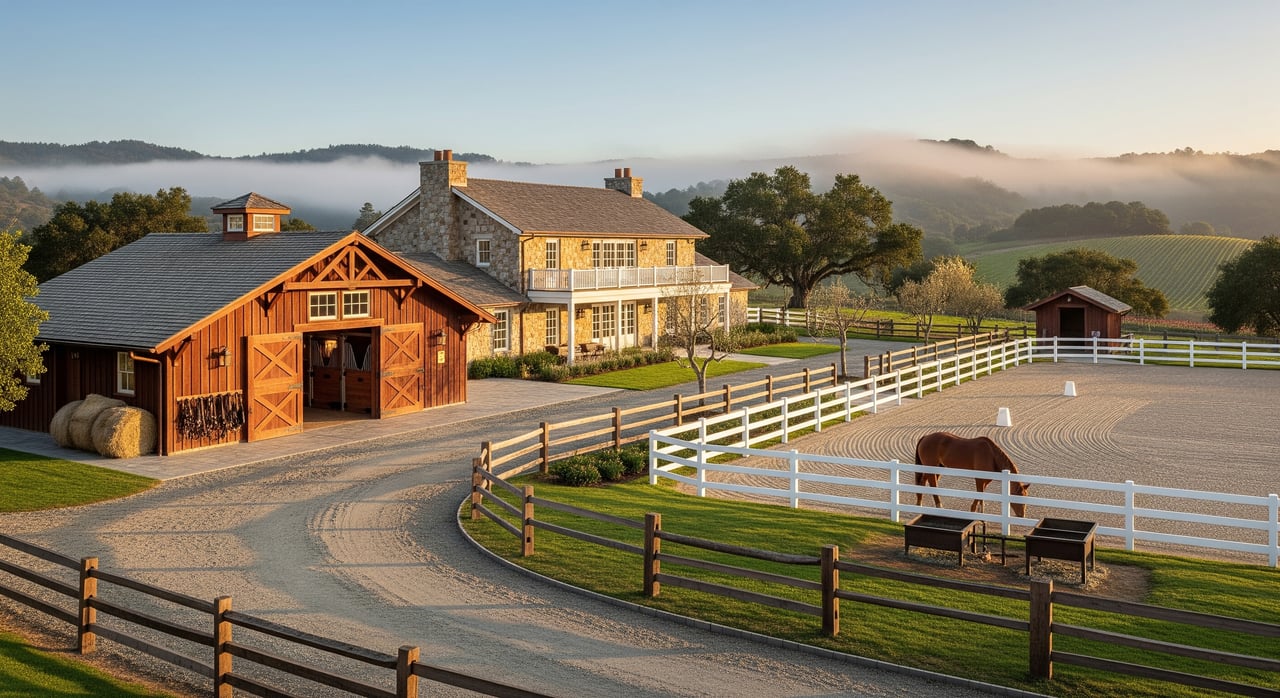
A well‑designed, permitted barn is the heart of an equestrian property. Look for the right number and size of stalls, safe stall materials, good ventilation, and concrete aisles for cleanability. Plan for dry, rodent‑resistant hay storage, a tack room, and a wash rack with proper drainage.
If you want staff or frequent human use, confirm water and septic access and the condition of any living quarters. Ask for permits and building records. Unpermitted outbuildings can complicate insurance, financing, and future resale. Desirable extras include heated tack or wash areas, separated foaling stalls, and fire‑safe hay lofts.
Outdoor arenas are common, with surfaces such as sand, sand with fiber, or engineered footing. Focus on arena size, base and drainage, footing depth and consistency, and lighting for evening rides. Orientation against sun and wind can improve usability.
Petaluma’s Mediterranean climate brings wet winters and dry summers. Without a proper base and drainage, an arena may be unusable for long stretches of winter. In summer, dust suppression and routine maintenance become priorities. A well‑built arena reduces downtime and protects both horses and riders.
Common fence types include wood rail, vinyl rail, pipe, high‑tensile electric, and mesh. Each has different maintenance and safety profiles. Rail height, visibility, and secure gate hardware matter for horse safety and handler convenience.
Cross‑fencing divides pastures into paddocks for rotational grazing and safe separation by age, health, or use. Wood requires periodic paint and repair, while tensile systems need tension checks. Barbed wire is typically unsuitable for horses and can be a safety risk.
Assess how easily you can move a horse trailer on and off the property. You need driveway width, gate clearance, safe turning radius, and on‑site maneuvering space. Level parking pads with durable surfaces near the barn make loading and unloading safer and faster.
Easements, narrow private roads, and shared driveways can limit access. Verify legal access and practice the route if possible. Smooth circulation saves time and reduces stress during daily routines or emergency situations.
Horses need reliable water. Check well capacity, storage tanks, frost‑free hydrants, and automatic waterers or troughs. If you plan to irrigate pastures, confirm pump capacity and related permits.
In Northern California, pasture growth peaks in late winter and early spring. Summer dormancy is typical, which means planning for hay and possible irrigation. Review forage quality, weed pressure, and the condition of irrigation lines if present. A strong water plan helps you balance pasture health and feed costs.
Manure handling is a daily reality. Options include on‑site composting, regular removal, or commercial hauling. Proximity to neighbors and local ordinances can shape the best strategy for your property.
Be mindful of waterways and riparian zones. Setbacks and watershed protections can restrict where you store or compost manure. Good manure management supports pasture quality, reduces odors and pests, and preserves downstream water quality.
Evaluate electrical capacity for lighting, fans, and any heated areas in the barn. Consider backup power for well pumps during outages. Check internet and phone reliability if you plan to manage operations or work from the property.
For properties with living quarters or frequent staff use, septic capacity and leach field condition are key. Confirm permits, system sizing, and recent inspections, especially if you plan to expand stalls or add facilities.
Wildfire risk is a local reality. Review hazard severity zones and defensible space requirements. Barn materials, roof type, on‑site irrigation, and clear evacuation routes all influence safety, insurance availability, and premiums.
Create fuel breaks around structures and maintain accessible trailer routes. A thoughtful fire plan not only protects your horses and improvements but can also help with underwriting and long‑term insurability.
Regulations differ for properties inside Petaluma city limits versus unincorporated Sonoma County. Confirm allowed animal units per parcel, accessory building rules, and setback requirements before you modify or expand facilities.
Check whether arenas, new stalls, or living quarters require building permits or conditional use approvals. The presence of conservation easements or agricultural programs can restrict development or change tax status. Always verify records with the appropriate local authority.
Use floodplain designations to understand whether barns or low‑lying pastures may require special design considerations. Lenders and insurers may have additional requirements for properties in mapped flood zones.
Soil type influences arena bases, septic suitability, and pasture drainage. Clay soils common in parts of the North Bay may hold water in winter, which increases the need for engineered drainage. Site‑specific soil assessments help you plan improvements and reduce long‑term maintenance.
The features that move the needle most are usable acreage, a properly permitted and well‑maintained barn with adequate hay storage, safe fencing with cross‑fenced paddocks, a quality arena with drainage, and reliable water. These fundamentals attract a broader buyer pool and support long‑term value.
Supporting factors include trailer access, turnout options, and proximity to equine services. Documentation matters. Permits, well logs, septic records, and maintenance files reduce uncertainty and make a property easier to finance, insure, and resell.
Daily care scales with herd size and acreage. Feeding, mucking, pasture rotation, and arena drag schedules become part of your routine or a line item in your budget if you hire help. Proximity to vets, farriers, feed stores, and trainers can streamline your week.
Seasonal management is part of the Petaluma lifestyle. Expect robust winter pasture and plan for summer hay and possible irrigation. Fire season planning, trailer readiness, and understanding insurance costs are also part of life on a horse property.
Use this list to focus your pre‑offer and inspection steps:
In Petaluma, the best equestrian properties balance usable land, permitted infrastructure, and climate‑smart design. When the barn is functional, the arena drains, the fencing is safe, and the water plan is reliable, you get a more enjoyable daily routine and stronger long‑term value. Thoughtful documentation and compliance make ownership smoother and resale more certain.
If you are exploring a Petaluma horse property and want senior‑level guidance rooted in local knowledge, connect with The Goldman Gray Group for a discreet, tailored consultation.
Stay up to date on the latest real estate trends.