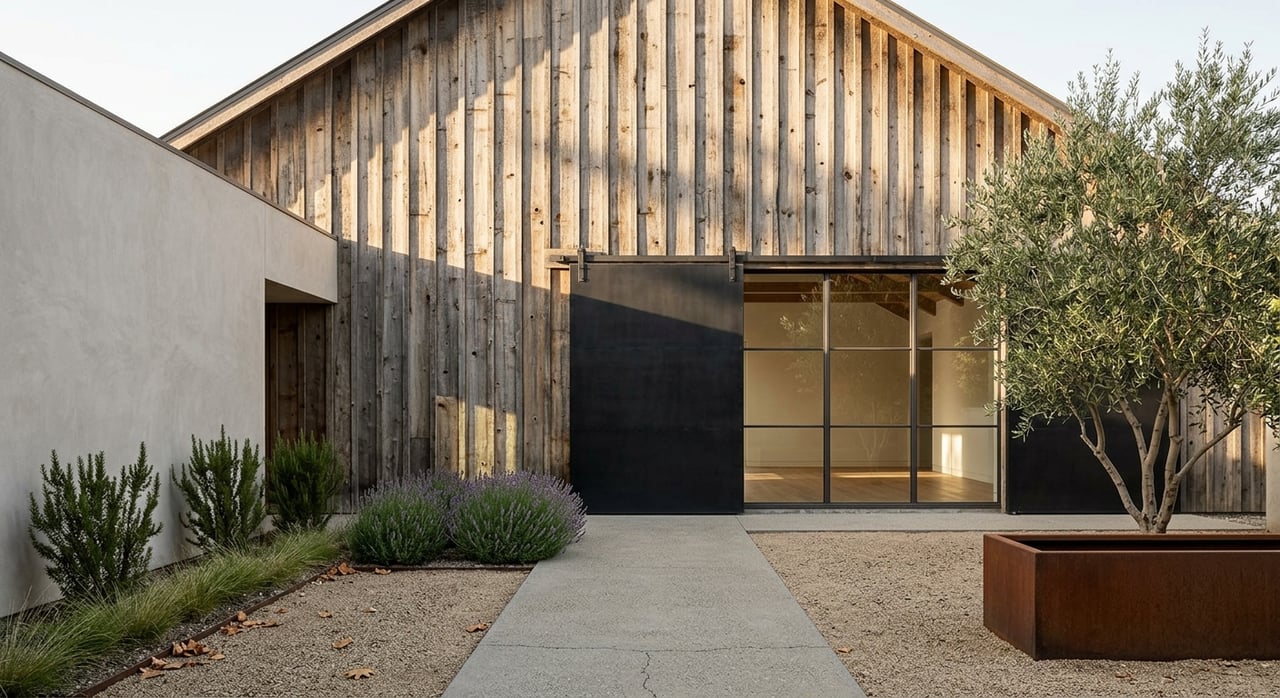
Petaluma Heritage Farm Estates and Rural Compounds
April 2, 2026
April 2, 2026
If you think Petaluma is only a charming historic town or only a rural outpost, you are missing what makes it so compelling. Here, working land, old farm structures, compact in-town living, and design-forward country homes all exist in the same local story. If you are drawn to places with character, privacy, and a real sense of continuity, Petaluma offers a rare blend worth understanding. Let’s dive in.
Petaluma’s agricultural identity is not just a backdrop from another era. It is still visible in the city’s institutions, local businesses, and public events. That gives the market a depth you can feel, whether you are exploring downtown, the rural edge, or properties that sit between the two.
At the Petaluma Historical Library & Museum, exhibits trace Miwok, poultry, and dairy history back to the 1850s. The building itself, a 1904 Carnegie Library designed by Brainerd Jones, reinforces how closely the city’s identity is tied to its past.
That history is also active in the present. In 2025, the City expanded year-round agricultural programming at the fairgrounds, and City leaders have publicly stated that farming remains an important part of regional food production and daily life in Petaluma, citing countywide dairy and livestock output in their Measure J statement.
You can see that continuity in working producers too. Achadinha Cheese Company is a third-generation dairy farm in Petaluma, and Skippy’s Egg Store highlights a fifth-generation poultry farming story. Together, they show that dairy and egg culture here still has living descendants, not just museum displays.
Part of Petaluma’s appeal comes from how clearly it transitions from town to countryside. That feeling is not accidental. It reflects decades of planning choices that have helped preserve a compact urban form and a defined rural edge.
Petaluma’s Urban Growth Boundary was renewed by voters in 2024 and now extends through 2050. In City planning materials, that boundary is described as a long-running community commitment to protect Petaluma’s environmental and aesthetic character and support compact growth patterns, as outlined in the North Station planning document.
Zoning helps explain the housing mix you see on the ground. The City’s zoning framework reserves AG land for active grazing or food and fiber production, while RR zoning is intended for single-dwelling development on minimum two-acre lots along the western perimeter as a transition to rural and agricultural land, according to the zoning ordinance.
For you as a buyer or seller, that matters because it helps explain why Petaluma can support a downtown with real energy while still offering ranch parcels, older farmhouses, and low-density estate-style living nearby. The contrast feels intentional because it is.
When people talk about Petaluma real estate with real personality, they are often responding to this mix of land, history, and design. The most distinctive properties here tend to fall into a few recognizable categories.
Some properties are tied directly to the region’s agricultural economy and land-use patterns. With active producers still operating locally and AG zoning reserved for agricultural use, these holdings are part of a living landscape, not a recreated one.
For buyers seeking land with real context, that can be especially appealing. For sellers, it means the property story may be bigger than square footage alone. Land use, stewardship, and setting can carry meaningful value.
Petaluma’s rural edge also supports a lifestyle connected to open land and trail access. Sonoma County Regional Parks notes that west Petaluma’s Helen Putnam Regional Park offers nearly six miles of horse trails, which supports the broader idea of an edge-of-town lifestyle compatible with equestrian use and outdoor recreation.
That does not mean every rural property is an equestrian property, but it does help explain why the area appeals to buyers who want room, privacy, and a stronger connection to the landscape. In Petaluma, that lifestyle feels grounded rather than aspirational.
One of the most attractive parts of the local market is the way older structures are often adapted rather than erased. A featured Petaluma farmhouse restoration transformed a 130-year-old farmhouse into a modern home while preserving the original shell and much of the property’s character.
You see that instinct beyond private homes too. At Steamer Landing Park, the David Yearsley River Heritage Center is a red barn that once served as a livery stable. That kind of adaptive reuse helps keep Petaluma’s agrarian visual language present in everyday civic life.
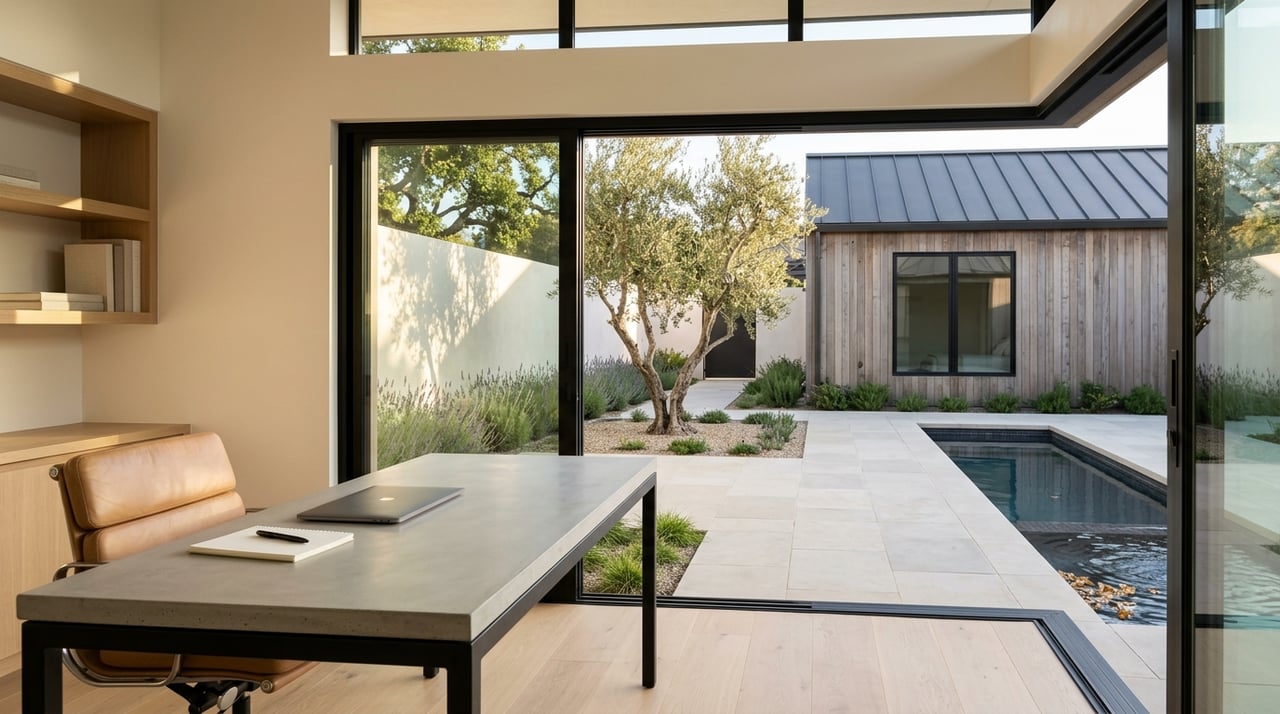
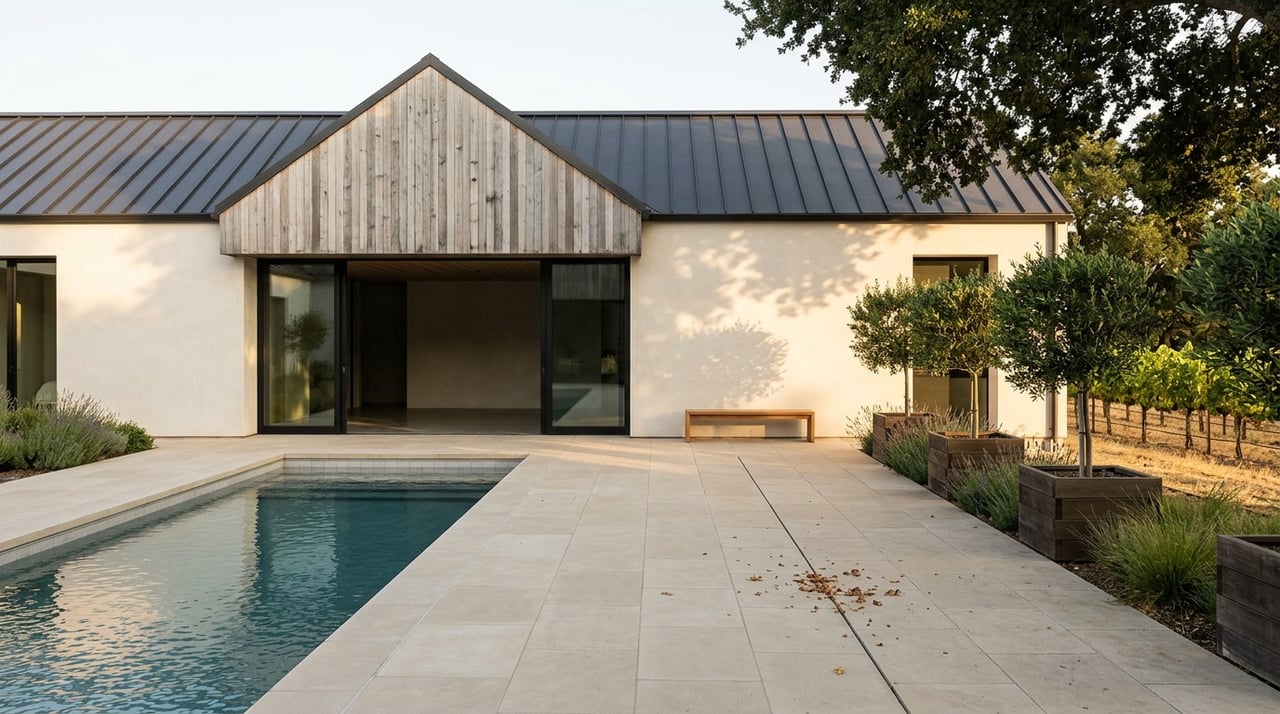
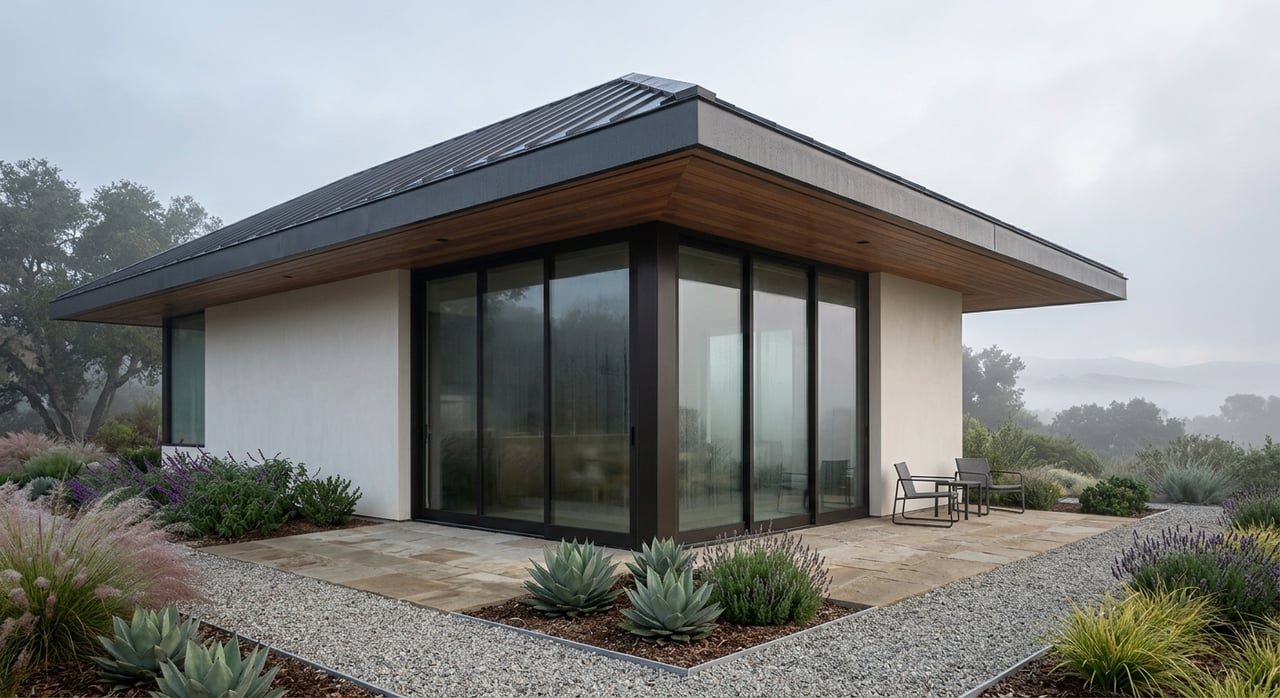
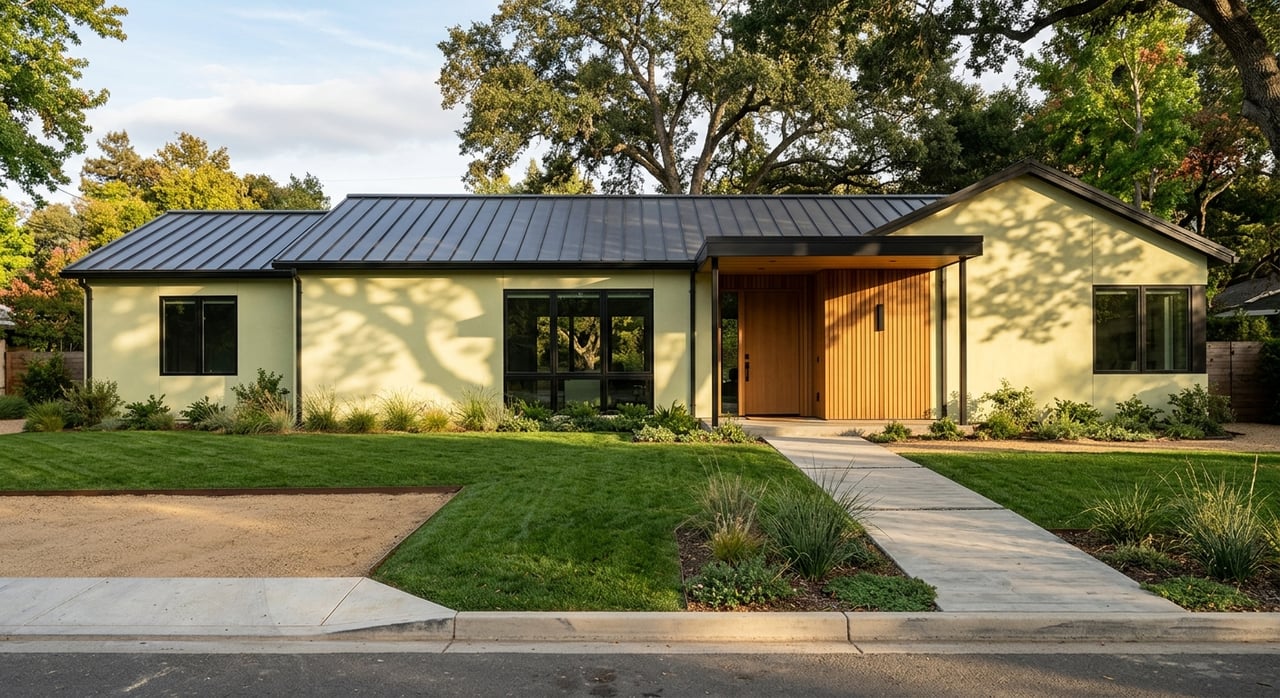
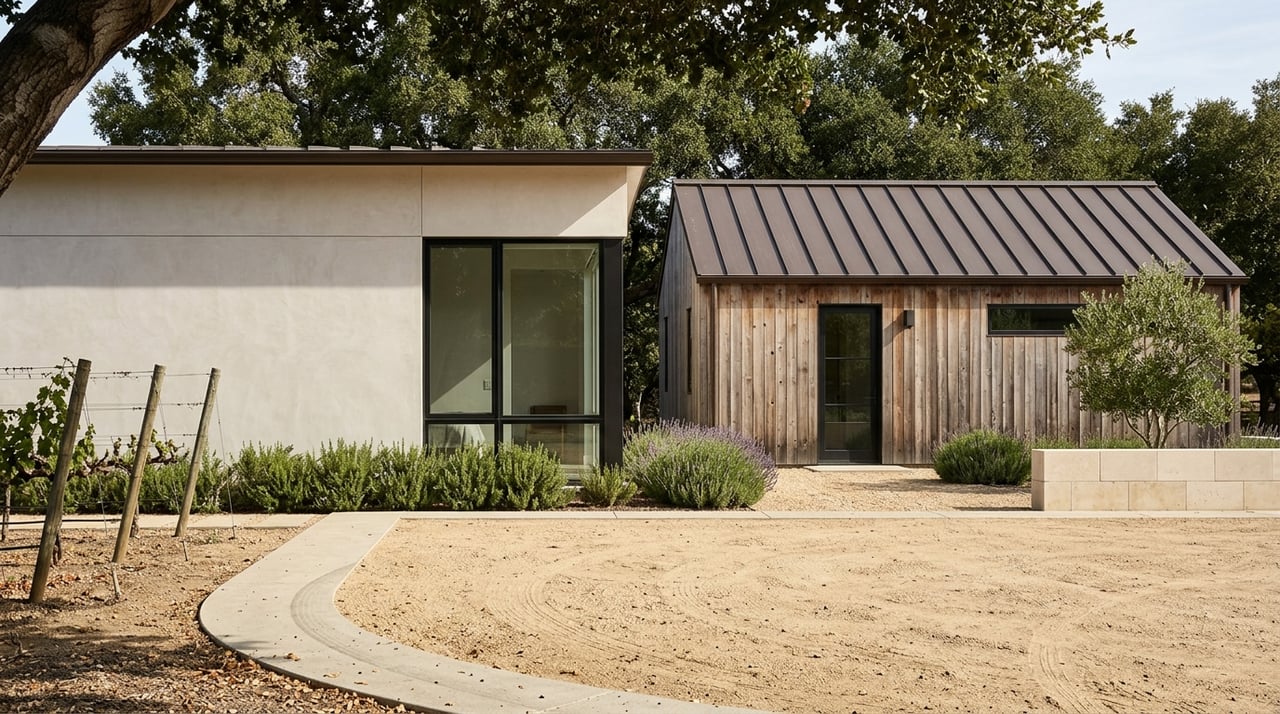
This is where the title of this piece really comes into focus. Petaluma is not just about preserving the old. It is also a place where designers and owners reinterpret rural forms in a more contemporary way.
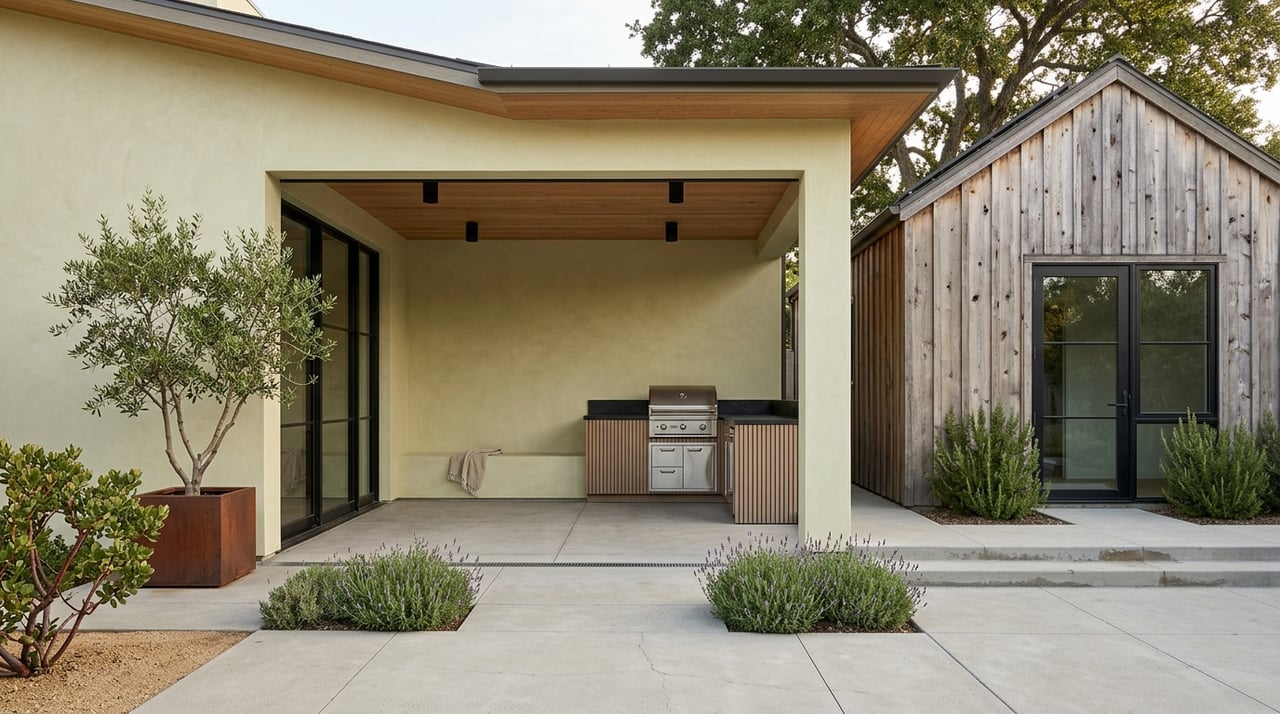
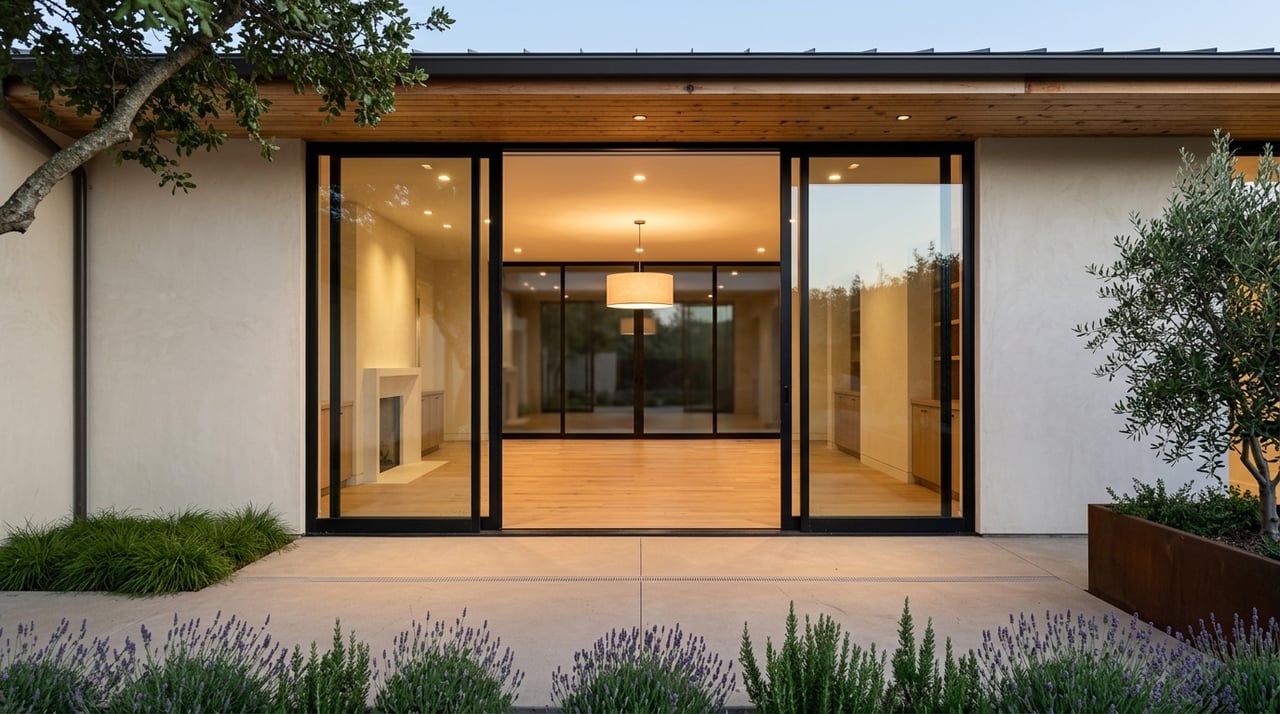
AIA Redwood Empire’s profile of Keller Court Commons describes a small-home community on an old farmstead near downtown that draws on barn shapes and farm forms. At a different scale, Petaluma Pastoral is a 4.5-acre rural project organized with a sculptural guest-house, garage, and music studio alongside the main residence. The takeaway is clear: in Petaluma, rural heritage can evolve into architecture that feels polished, modern, and deeply tied to place.
A rural-luxury narrative only works if daily life actually supports it. In Petaluma, it does. The city’s routines still reflect agriculture, open space, and river access in ways that feel practical and lived-in.
Walnut Park hosts a seasonal Saturday farmers market from May through November. Combined with expanded agricultural programming at the fairgrounds, that helps show how farm culture appears in the calendar, not just in local branding.
The river adds another dimension. The City’s Turning Basin information notes a 500-foot transient dock with day-use and overnight berthing near dining, artisan shops, and downtown destinations. Cavanagh Landing and Denman Reach connect that river corridor to trails and public space, while 2025 dredging plans support navigation, flood protection, and ecological resilience.
Open space is part of the rhythm too. The City describes Shollenberger Park, Lafferty Ranch, and the Paula Lane Nature Preserve as places for passive recreation, education, and habitat restoration. Several local wetlands have also received Ramsar recognition, adding conservation significance to the landscape around town.
Steamer Landing gives Petaluma’s heritage a more public, seasonal expression. The park hosts summer events including Rivertown Revival and the Transhumance Festival, which helps keep the city’s agricultural culture visible and current rather than frozen in the past.
If you are considering Petaluma, the biggest draw may be the balance. You can find a location with access to downtown, riverfront activity, and public spaces while still being close to low-density edges, open land, and properties with a more private feel.
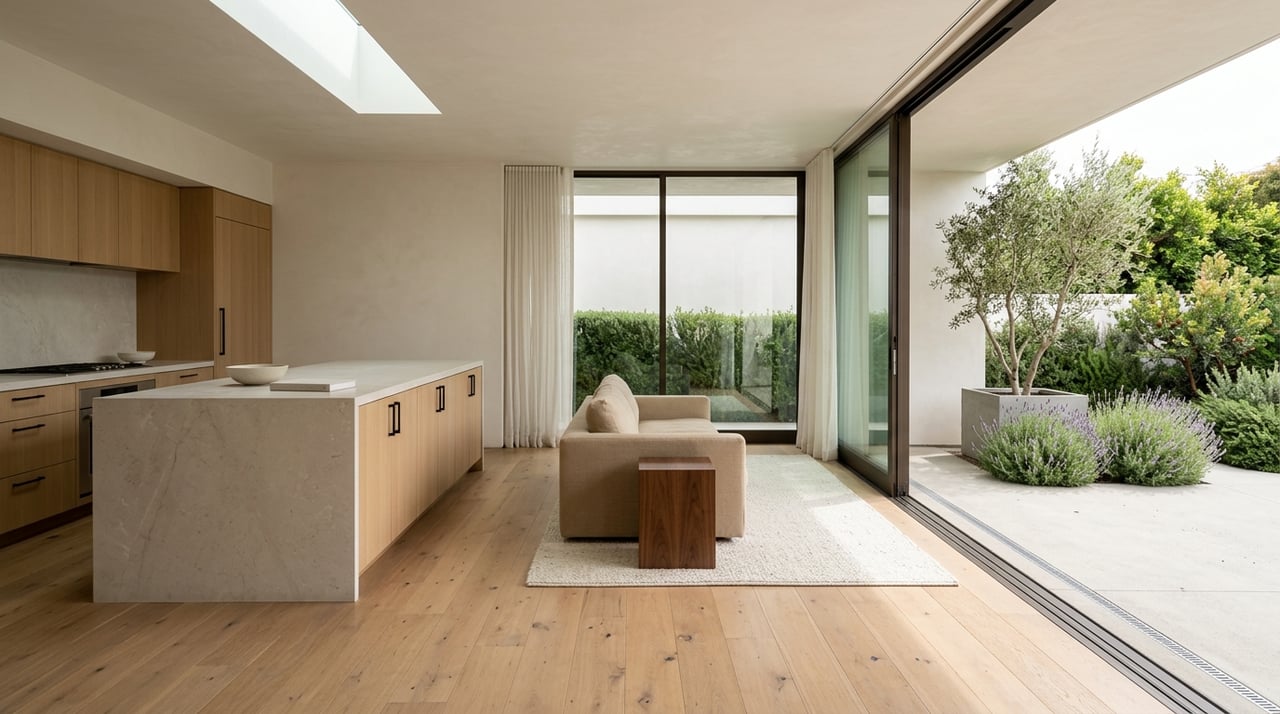
That balance can appeal to buyers who want more than a house. You may be looking for acreage, a restored farmhouse, a contemporary compound, or simply a home in a place where architecture and land feel connected. Petaluma stands out because those options belong to the same civic and physical landscape.
Market trackers place Petaluma on the expensive and relatively fast-moving side of the North Bay, though methodologies vary. The most useful conclusion is not the exact number, but the broader context: this is a market where place, land-use constraints, and property character all help shape value.
If you own a distinctive property in or around Petaluma, your home may benefit from a narrative that goes beyond standard listing language. A property with acreage, agricultural context, adaptive reuse, or design pedigree often needs careful positioning so buyers understand not just what it is, but why it matters.
That is especially true in a market like Petaluma, where the strongest properties often sit at the intersection of land, architecture, privacy, and local identity. The right presentation can help frame a home as part of a larger lifestyle story grounded in the city’s real planning history and agricultural continuity.
For owners of legacy holdings, multi-acre homes, or architecturally distinctive compounds, a more curated strategy can be particularly valuable. In a place with this much nuance, storytelling and diligence often go hand in hand.
Petaluma works because it holds two ideas at once. It is a town shaped by dairy farms, poultry history, and working land, and it is also a place where modern buyers can find refined homes, restored farmhouses, and thoughtfully designed compounds. That tension is exactly what gives the market its lasting appeal.
If you are considering a purchase or preparing to sell a distinctive property in Wine Country, The Goldman Gray Group offers senior-led, discreet guidance shaped by land, design, and local context.
Stay up to date on the latest real estate trends.