Trying to choose between Dry Creek, Alexander Valley, and the Russian River corridor for a Healdsburg-area estate? You are not alone. Each area offers a different mix of climate, land, vineyard potential, privacy, and access. This guide walks you through the key differences so you can match the right micro-location to your goals. Let’s dive in.
Healdsburg at the crossroads
Healdsburg sits where Dry Creek Valley, Alexander Valley, and the Russian River corridor meet. Many estates marketed as “Healdsburg” are in unincorporated Sonoma County, which means county rules govern septic, zoning, and permits. Drive times to the Plaza vary by road and valley, so convenience depends on where your parcel sits and how you access town.
Dry Creek Valley at a glance
Dry Creek Valley lies west and northwest of town with a narrow valley floor and steep surrounding hills.
- Climate: Generally warm with strong day-to-night cooling.
- Soils: Well-drained cobbly and alluvial soils with rocky benches that vines favor.
- Access: Direct routes like Dry Creek Road and West Dry Creek make many parcels a sub-20-minute drive to the Plaza.
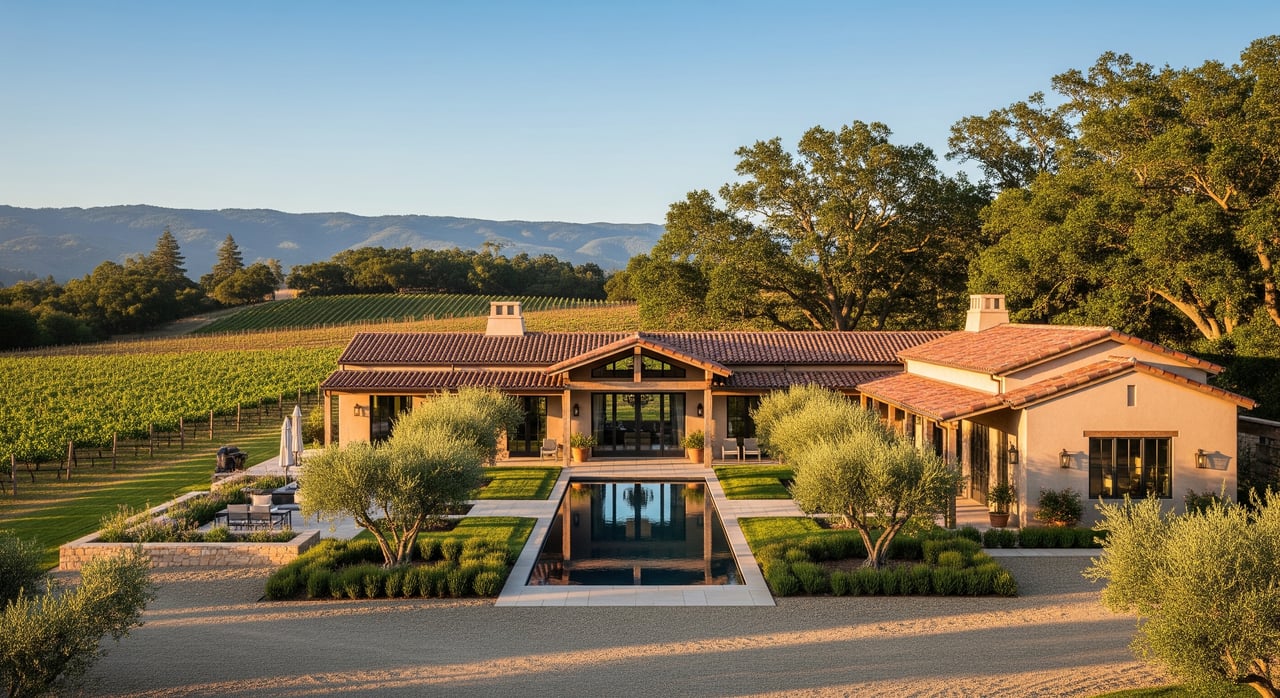
- Property profile: Hillside estate homes, terraced vineyards, boutique winery setups, and guest cottages are common.
Who it fits
You want a vineyard-forward estate with convenient access to town, plus hillside privacy and views. Zinfandel and Sauvignon Blanc have deep roots here, with site-specific wines from hillside blocks.
Alexander Valley at a glance
Alexander Valley stretches north and northeast with rolling hills and a wider valley floor.
- Climate: Warm overall with pockets of cooler exposures.
- Soils: Mix of alluvial floors and deeper loams on terraces that support larger vineyard plantings.
- Access: Reaches of the valley can be a 15 to 30-plus minute drive to downtown depending on location.
- Property profile: Larger ranch estates, extensive vineyards, equestrian facilities, and multiple outbuildings are typical. Some parcels include commercial winery infrastructure.
Who it fits
You want acreage, long private drives, and sweeping views. Bordeaux varieties like Cabernet and Merlot do well in many parts of the valley, and larger contiguous holdings are more common here.
Russian River corridor at a glance
The Russian River corridor runs south and southwest of Healdsburg with cooler, fog-influenced microclimates.
- Climate: Coolest of the three valleys due to marine fog, with a longer season for cool-climate varieties.
- Soils: Deeper alluvial soils along the river and floodplain. Rootstock and variety selection matter where moisture is higher.
- Access: Westside Road and River Road lead back to town. Proximity varies from very close to farther south toward Guerneville.
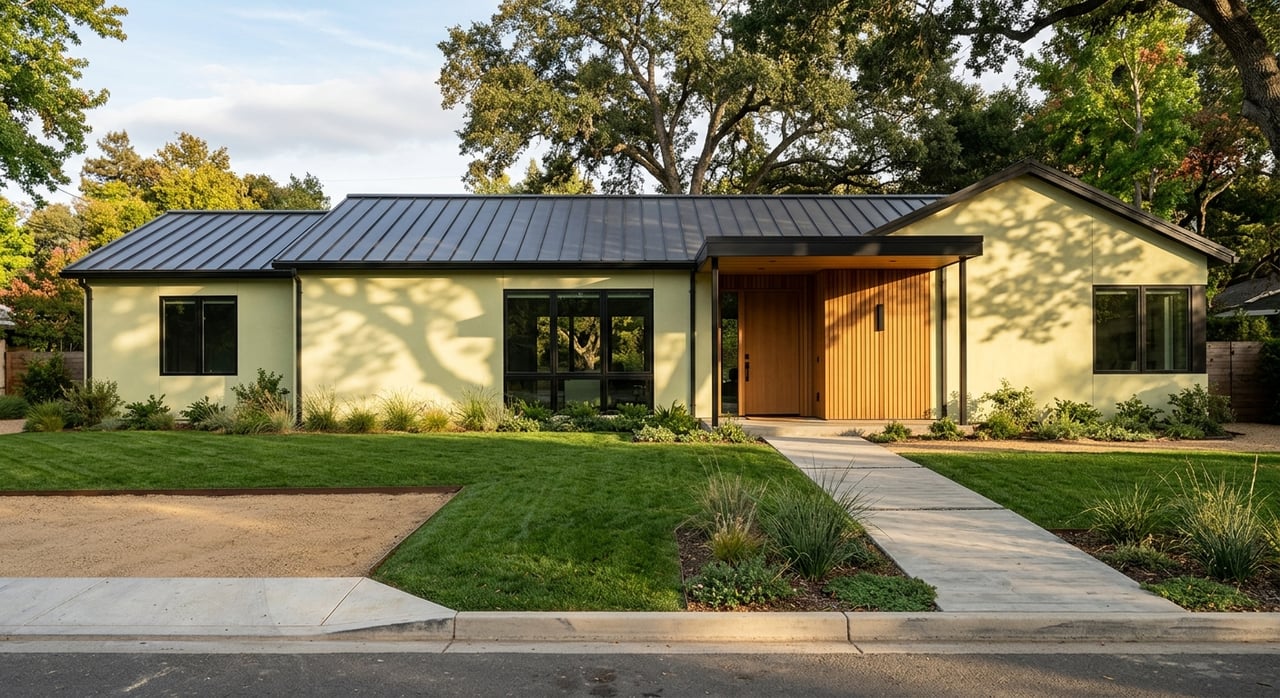
- Property profile: Riverfront estates, woodsy homes, curated gardens, and mixed residential-agricultural uses. Some parcels include smaller vineyard blocks.
Who it fits
You prefer a cooler setting, riparian character, and mature trees. Pinot Noir and Chardonnay shine in cooler sites, but river-adjacent parcels come with extra environmental and flood considerations.
Climate and soils compared
Microclimate drives lifestyle and grape choices. Dry Creek is warm with big day-night swings. Alexander Valley is warm with varied exposures. The Russian River corridor is the coolest due to fog. Soil types also vary. Dry Creek’s rocky benches and well-drained soils are excellent for quality vines. Alexander Valley offers both alluvial floors and loamy terraces suitable for larger estate blocks. The river corridor’s deeper alluvium can be productive with careful planting choices.
Important note: Microclimate can change quickly with slope, elevation, and aspect. Two parcels a mile apart can perform very differently. Always test before you invest.
Privacy, parcel size, and views
If you value maximum acreage and seclusion, Alexander Valley often delivers larger contiguous parcels and long drives. Dry Creek’s hillside parcels offer privacy and vineyard views with a shorter run to services. In the Russian River corridor, wooded buffers and riverfront settings can feel private, though some roads are narrower and closer to public access.
Access, services, and tourism
Properties closest to Healdsburg Plaza trade on convenience but experience more visibility and traffic. Dry Creek and Westside corridors draw visitor activity, which can support winery uses or feel busy on weekends. Alexander Valley tends to be quieter and more dispersed, though select roads see tasting room traffic. Russian River proximity ranges from near-town to farther south, which affects both access and tourism exposure.
Water, wells, and irrigation
Water is the single biggest constraint for vineyard development and estate operations. Most properties rely on private wells. Yields and depth vary parcel by parcel. Some properties use water storage tanks or limited surface diversion, and purchased water may be part of the plan.
What to do: Obtain well logs, schedule a pumping test, assess storage, and review county and state water rules. Factor drought history and potential restrictions into your budget and operating plan.
Regulations and permitting basics
Because many estates are in unincorporated Sonoma County, county rules apply to septic, winery uses, tasting rooms, events, and tree removal. Visitor-serving uses typically require special permits and compliance with conditions for parking, traffic, and wastewater. Along the Russian River, riparian and floodplain rules add extra layers of review. Always confirm whether a parcel is subject to agricultural conservation programs that may affect taxes and allowed uses.
Wildfire, insurance, and resilience
Wildfire is a regional reality. Many estate areas sit in higher risk zones. Building standards, defensible space, vegetation management, and power shutoff planning matter for safety and insurance. Ask for recent fire history, review vegetation maps, and get insurance quotes early. These factors influence both livability and holding costs.
Typical improvements you will see
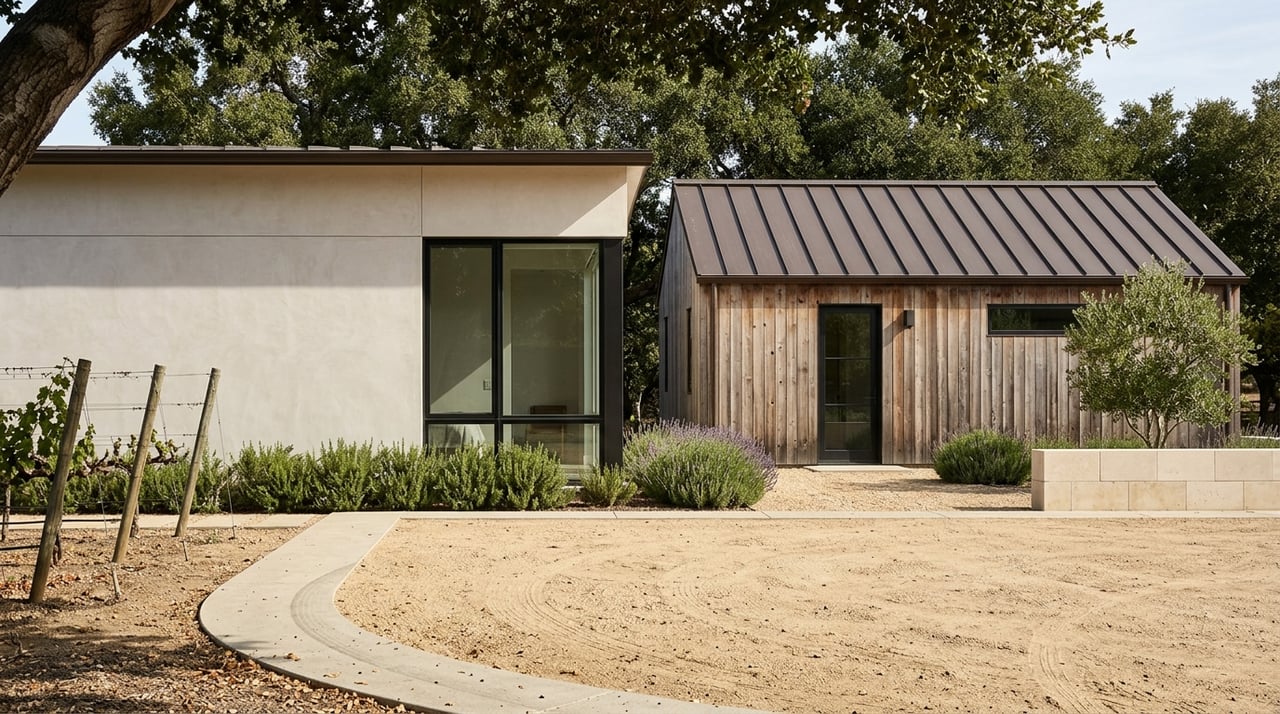
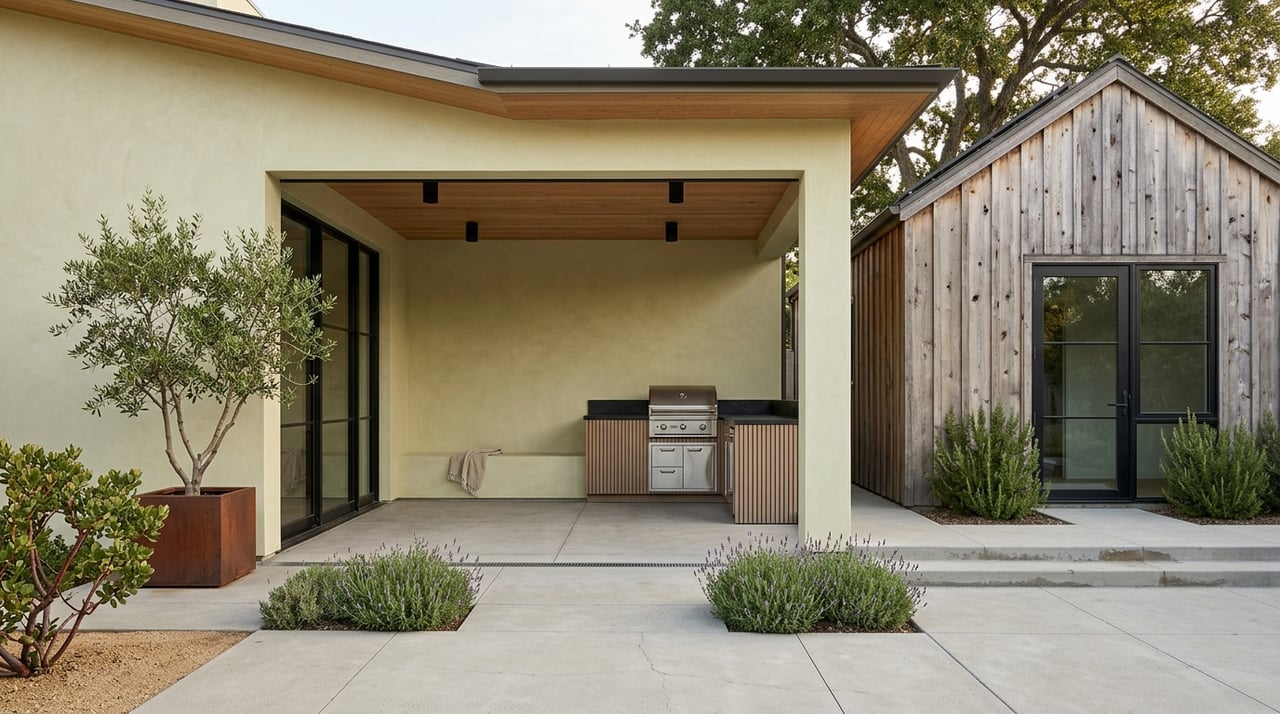
Across all three areas you will see pools, guesthouses, agricultural buildings, ponds, and water storage. Dry Creek often adds small production facilities and terraced vines. Alexander Valley may include equestrian facilities and larger agricultural complexes. The Russian River corridor leans into gardens, river amenities, and mixed-use residential-ag parcels. Permitting status and final inspections matter. Verify records for every structure.
Which area fits your goals
Use your top priorities to narrow the field.
- Vineyard-first lifestyle: Dry Creek for hillside blocks and short town access. Alexander Valley for larger plantable acreage and potential winery infrastructure.
- Privacy and acreage: Alexander Valley for scale and seclusion. Dry Creek hillsides for tucked-away sites.
- Cool-climate character: Russian River corridor for Pinot and Chardonnay conditions and riparian ambiance.
- Quick town access: Dry Creek and the immediate Westside corridors for shorter drives. Other areas vary by exact location.
Prices vary widely based on acreage, improvements, and vineyard maturity. Request current comparables by micro-location before you make an offer.
Top 5 due diligence items
- Wells and water: Well log, pumping test, storage capacity, and water quality.
- Wildfire and insurance: Risk maps, defensible space, and early insurance quotes.
- Septic and utilities: Septic capacity and compliance, electrical service, broadband and cellular.
- Soils and site: Professional soil analysis, test pits, slope, drainage, and frost pockets.
- Permits and use rights: Building permit history, zoning, winery and event permissions, and any easements.
Full buyer checklist
Use this list to structure your contingencies and inspections.
Property and title
- Current deed and all easements for access, utilities, and conservation.
- Road maintenance agreements for any private roads.
- Any agricultural or conservation easements that limit development.
Water and irrigation
- Well log and permit records.
- Pumping test and evidence of well performance over time.
- Water storage tanks, pumps, and distribution condition.
- Any riparian rights or diversion permits.
- Irrigation water quality testing if you plan vineyard development.
Soils and vineyard suitability
- Professional soil survey and test pits.
- Map of existing vineyard blocks with variety, rootstock, age, and production history.
- Drainage patterns, erosion risk, and frost-prone areas.
Septic, wastewater, and utilities
- Septic design capacity and location with county compliance.
- Requirements for adding bedrooms, guest units, or winery waste systems.
- Electrical service capacity and upgrade needs for production equipment.
- Broadband and cellular coverage testing for remote sites.
Permits for improvements and operations
- Zoning confirmation for wineries, tasting rooms, events, and on-site sales.
- Prior permit history and final inspections for all structures and guest units.
- Tree removal and oak mitigation requirements.
Hazards and environmental constraints
- FEMA flood-zone status and any history of river flooding for river corridor parcels.
- Presence of riparian habitat, wetlands, or protected species.
- Wildfire risk maps and any recent burn history affecting the parcel.
Financial and market factors
- Property tax basis and any agricultural assessments.
- Availability and cost of homeowners and fire insurance.
- Recent local comparables by micro-location, acreage, and improvements.
Operational considerations for vineyard or winery buyers
- Existing crush capacity and equipment condition if a producing facility is included.
- Compliance with alcohol beverage control and county health and environmental rules.
- Labor access and seasonal housing considerations.
Final thoughts
Dry Creek, Alexander Valley, and the Russian River corridor each deliver a distinct estate experience. Your best fit depends on how you balance climate, vineyard goals, privacy, access, and regulatory complexity. Prioritize water and well testing, soils and site analysis, wildfire and insurance planning, and permit history. With the right diligence, you can buy with confidence and enjoy the lifestyle that drew you to Healdsburg in the first place.
Ready to compare specific parcels and micro-locations with senior-level guidance? Connect with the experts at The Goldman Gray Group for a private consultation.
FAQs
What are the main differences between Healdsburg’s three estate areas?
- Dry Creek is warm with hillside vineyards and quick town access. Alexander Valley offers larger, more private parcels and extensive vineyards. The Russian River corridor is cooler with riparian character and added floodplain considerations.
Which Healdsburg area is best for planting Pinot or Cabernet?
- Pinot Noir and Chardonnay tend to favor the cooler Russian River corridor. Cabernet, Zinfandel, and other warm-climate grapes often do well in Alexander Valley and many Dry Creek exposures, subject to site specifics.
How far are estates from Healdsburg Plaza by area?
- Dry Creek and the immediate Westside corridor can be under 20 minutes. Alexander Valley can range from about 15 to 30 minutes or more. Russian River corridor access varies by exact location.
What permitting should I expect for a winery or events near Healdsburg?
- Winery operations, tasting rooms, and events usually require Sonoma County permits with conditions for parking, traffic, and wastewater, plus added review in riparian or floodplain areas.
What are the top risks Healdsburg estate buyers underestimate?
- Water availability and well capacity, wildfire exposure and insurance costs, septic and wastewater limitations for expanded uses, and the time required to secure permits for winery or event operations.