Comparing Hillside and Creekside Living in Glen Ellen
March 24, 2026
March 24, 2026
Two distinct Wine Country lifestyles meet in Glen Ellen: mornings under riparian trees along Sonoma Creek or sunsets from a sunny ridge with panoramic views. You might be weighing walkable village convenience against hillside privacy and space. In this guide, you’ll learn how each setting lives day to day, what the sun and microclimate feel like, and the key permits, hazards, and services to check before you buy. Let’s dive in.
If you picture an easy stroll to a cafe or a quick trail walk, creekside living near Arnold Drive and Warm Springs Road fits that rhythm. Many hillside addresses trade that convenience for privacy, acreage, and wide valley views. Both settings offer signature Glen Ellen experiences; the right choice comes down to how you want to spend your time and what you are prepared to manage on the property.
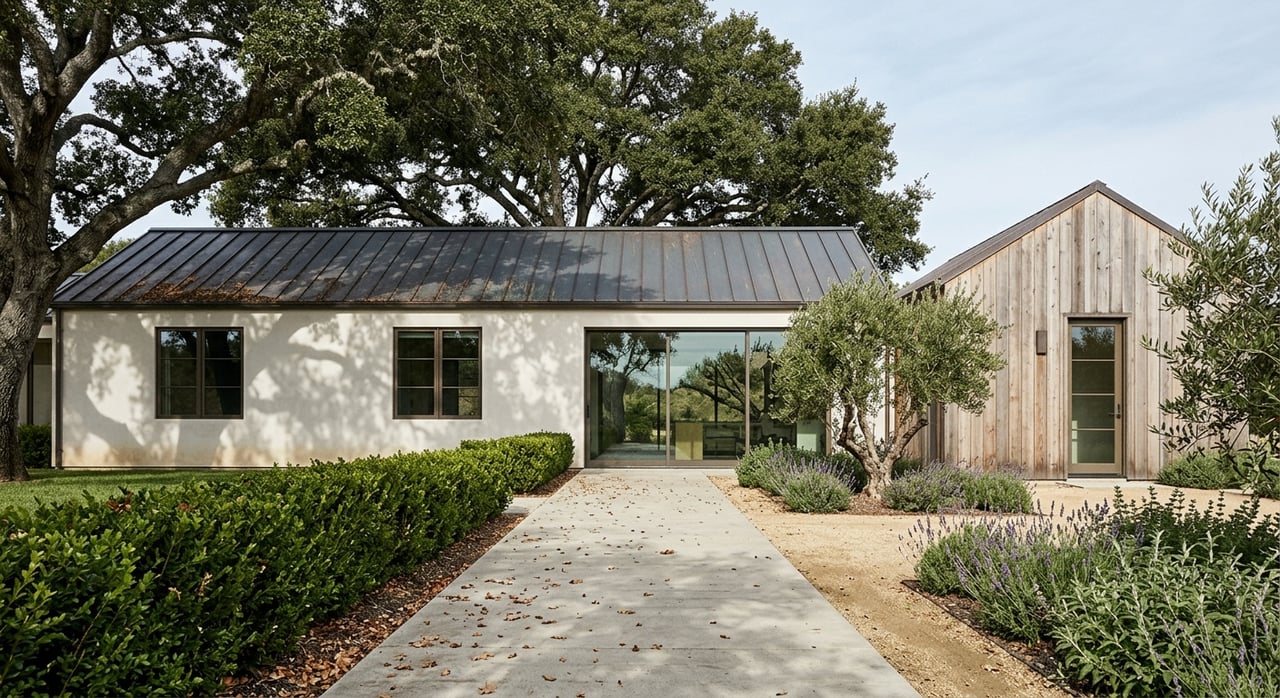
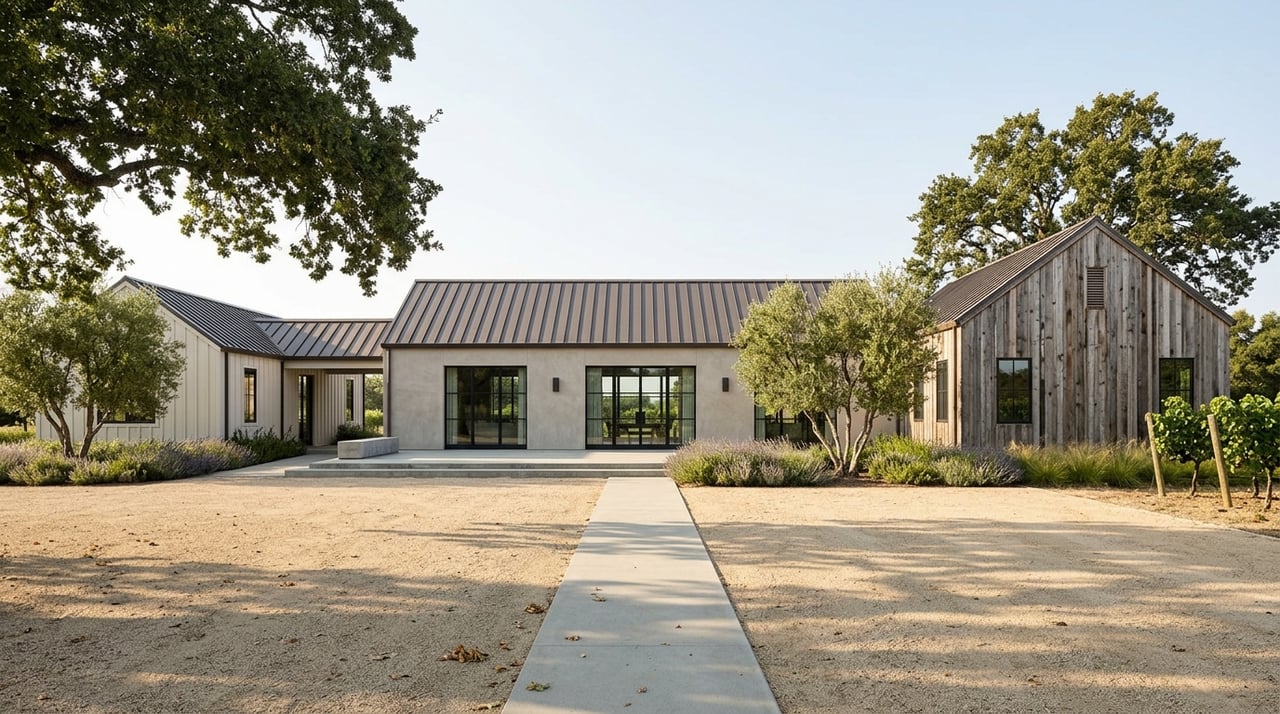
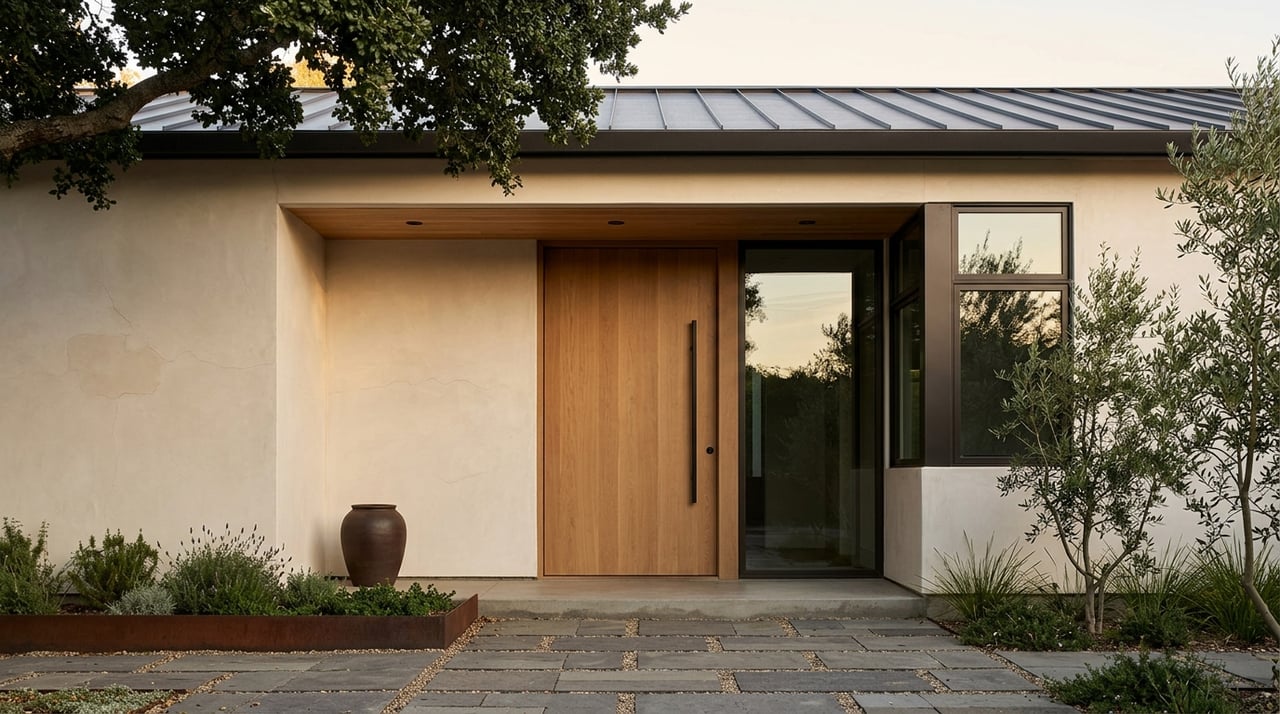
Creekside cottages in the village core typically sit on smaller parcels with neighbors close by. You get an intimate, neighborhood feel and a short hop to daily amenities. Outside the core, hillside parcels often grow larger and more secluded, with private drives and gates. Expect more maintenance for roads, landscaping, and utilities, along with a greater sense of retreat.
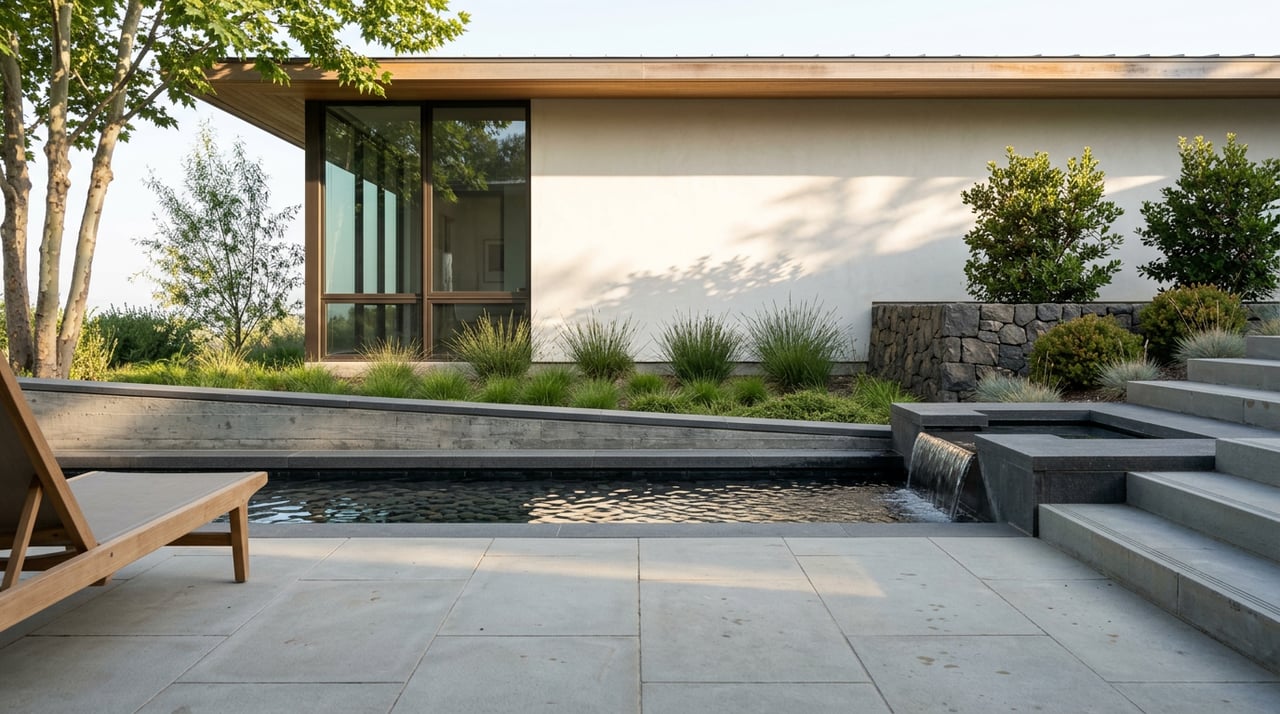
Topography shapes daily light and temperature. South-facing slopes receive more direct sun and warm up faster, while north-facing slopes and valley bottoms stay cooler and shadier. Viticulture research underscores how slope and aspect drive microclimate and ripening potential, which you also feel in everyday living (viticulture site selection overview). In Glen Ellen, valley areas can hold morning fog and cooler air, while ridges sit above it with longer sun windows and big evening light. Creekside often feels green, shaded, and crisp on summer mornings; hillsides deliver warm terraces, later sunsets, and stargazing after the fog pulls back.
Buying near the creek or on the hill means different due diligence. Here are the essentials to verify early.
If a property is within FEMA’s Special Flood Hazard Area, a lender may require flood insurance and the county applies building rules like elevating the lowest floor. Confirm a parcel’s status using the county’s FEMA Flood Insurance Rate Map layer and read county guidance on floodplains and floodways (Sonoma County DFIRM layer, county floodplain guidance). Many creekside parcels are also subject to Riparian Corridor setbacks, which limit grading, new structures, and some planting near the waterway. Check for the RC combining district on your parcel and understand what uses need permits (Riparian Corridor reference layer).
Hillside and rural parcels in and around Glen Ellen fall within mapped wildfire hazard zones. Expect requirements around defensible space and, in some cases, home hardening features. State and local guidance emphasizes clearing and maintaining defensible space to about 100 feet, with the most intensive work in the first 30 feet from structures (defensible space overview, CAL FIRE hazard zones map). Budget for vegetation management and consider roofing, vent screening, and ember-resistant upgrades.
Fire code sets standards for road width, grade, turnarounds, and bridge loads to ensure emergency access. The Sonoma Valley Fire District has local amendments and practices you should understand before closing, especially if a property has a long, narrow, or steep private drive. Confirm approvals for gates and bridges, any posted weight limits, and whether engineered improvements are required (local fire code packet).
Glen Ellen’s village core is served by the Sonoma Valley County Sanitation District, while many rural properties rely on on-site wells and septic systems. Service type affects hookup options, lateral responsibilities, and long-term maintenance planning. Always confirm whether a parcel is within the SVCSD boundary or will require private systems or annexation discussions (SVCSD service area and programs).
Hillside parcels often sit on steeper slopes with variable Sonoma Volcanics and alluvial soils. New construction or significant additions may require geotechnical review, and drainage design matters. Along the creek, bank stability and restoration plans can shape how much yard or building area is truly usable. Plan for site-specific assessments as part of your offer timeline.
Choose creekside if you value a daily rhythm of short walks to the market, tasting rooms, or a trailhead, and you like the feel of a compact village street. You will focus your due diligence on floodplain status, riparian setbacks, and public utility connections.
Choose hillside if you prize privacy, acreage, and views, and you do not mind driving for errands. Your diligence will center on fire readiness, driveway access, water availability, and long-run maintenance of private roads and vegetation.
Use these checklists to frame your first conversations with your agent and local officials.
When you want to pressure-test a specific property, you deserve senior-level counsel with local depth. For a private, data-forward conversation about creekside and hillside opportunities in Glen Ellen, reach out to The Goldman Gray Group. Request a private consultation.
Stay up to date on the latest real estate trends.