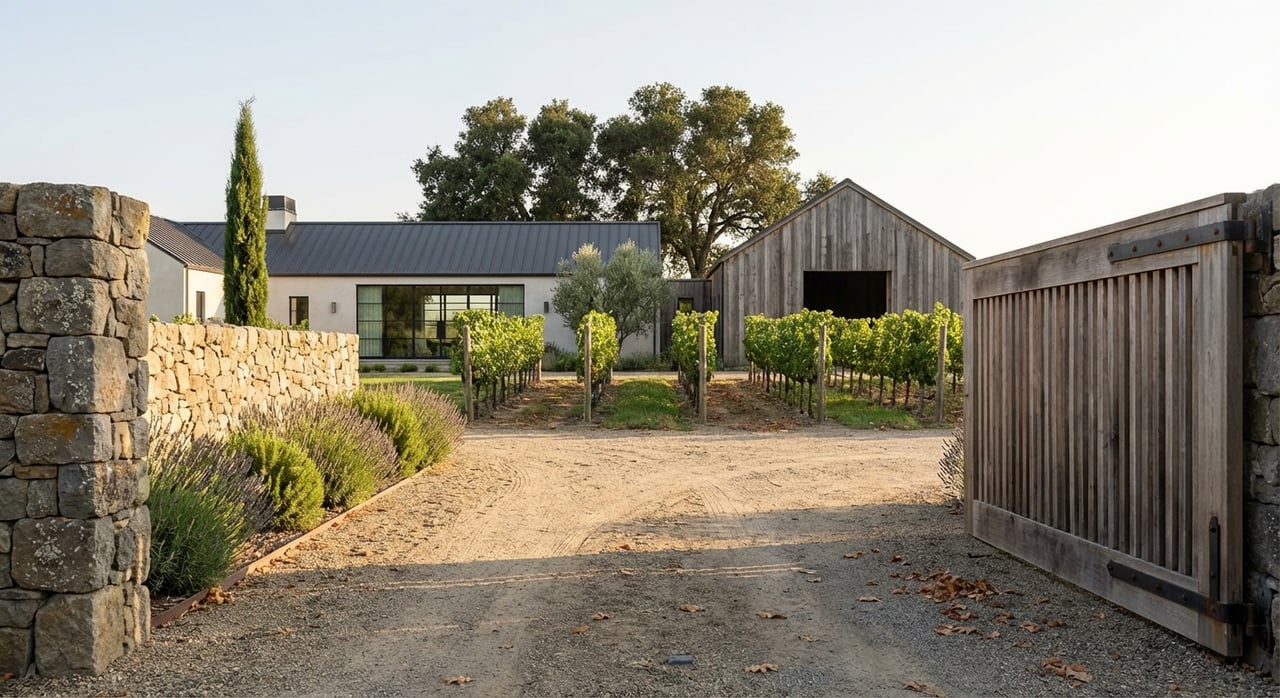
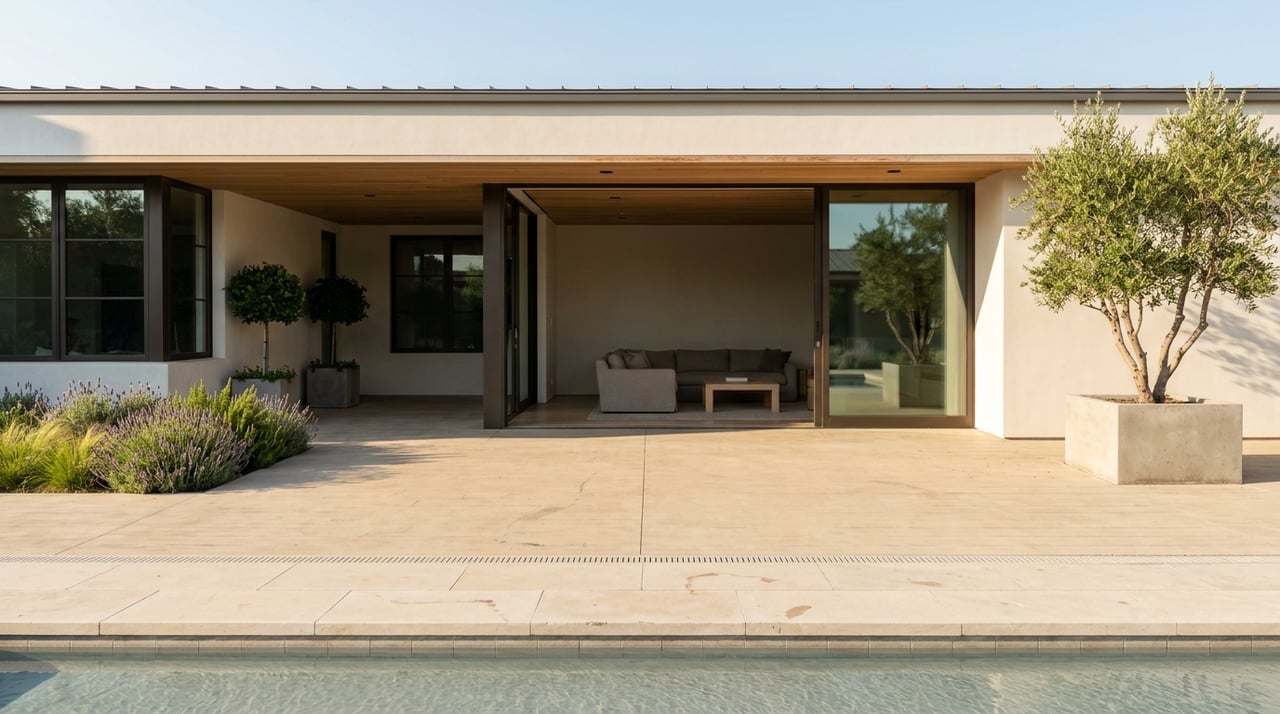
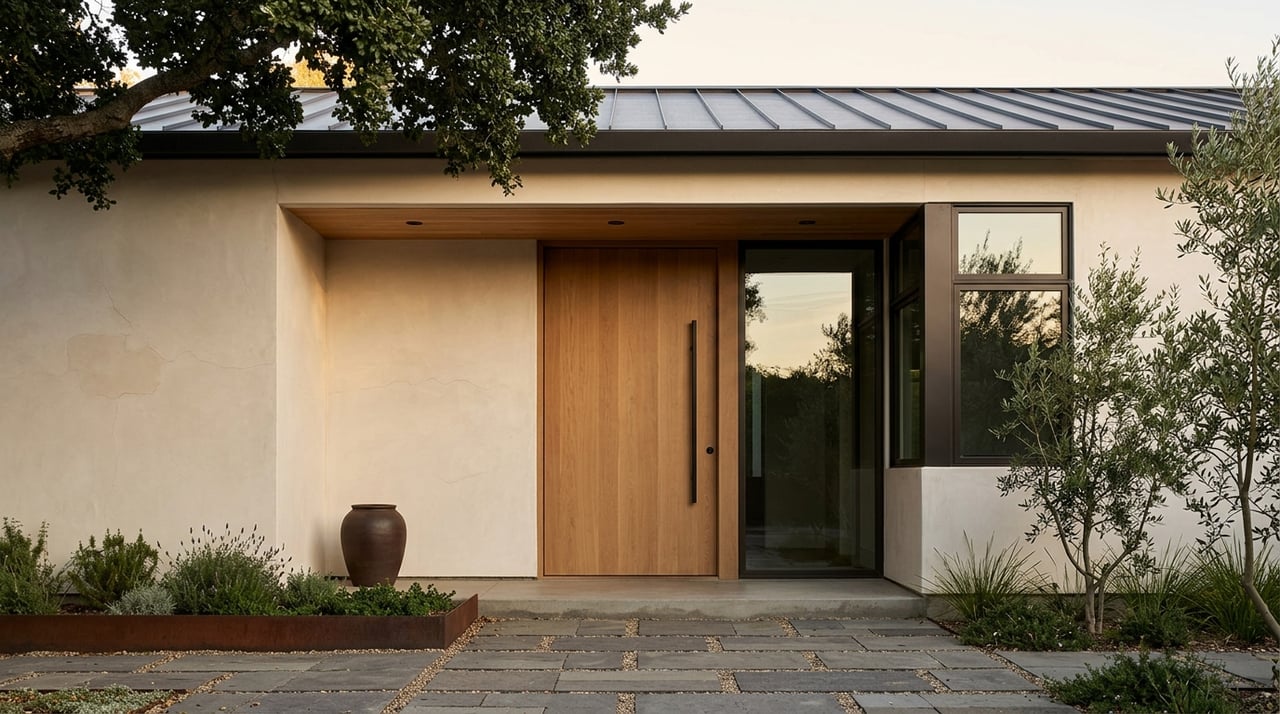
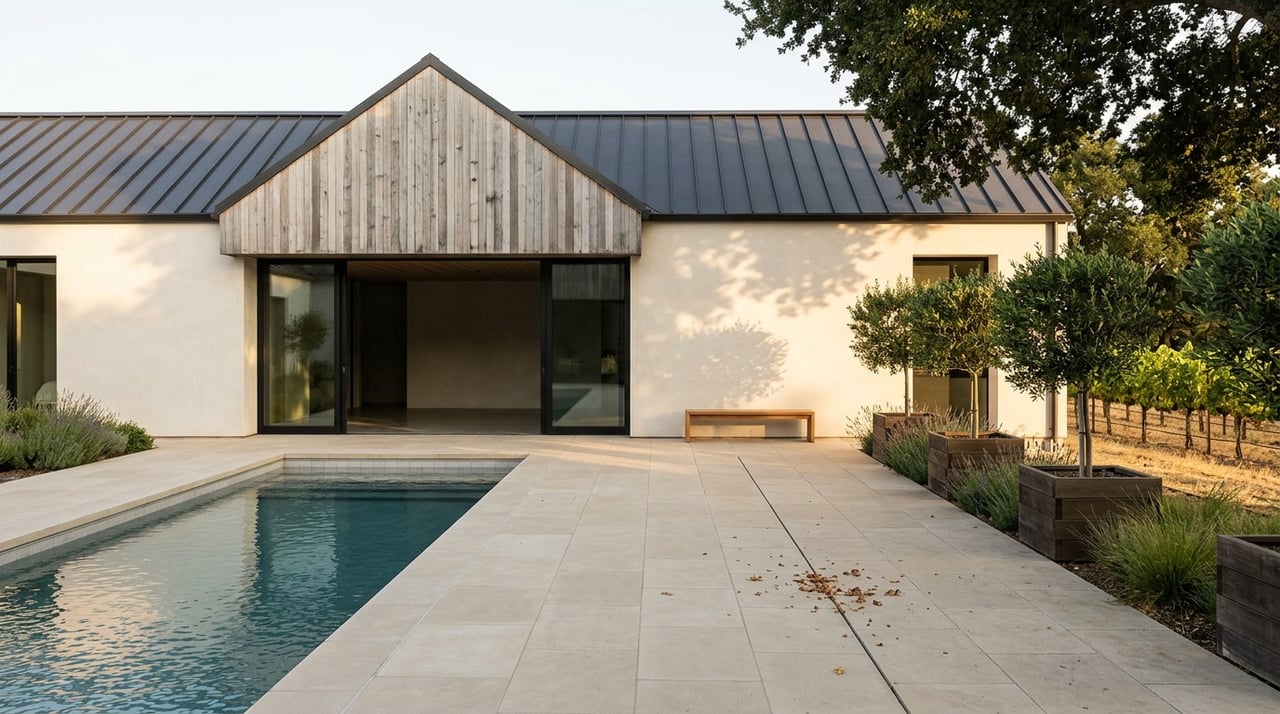
What if the most valuable part of an estate is not the house at all, but the land’s story, its permits, and the view lines that will never be rebuilt again? In St. Helena, that is often the case. If you are weighing a sale or a strategic purchase in 94574, you need a clear lens on what truly creates lasting value. This guide breaks down the core traits, current price bands, and the due diligence that separates a good property from a legacy estate. Let’s dive in.
What defines a legacy estate
A legacy estate in St. Helena is more than a residence. It is a rare blend of place, permissions, and provenance that endures. The strongest examples combine:
- Contiguous acreage that resists easy subdivision.
- Preserved view corridors to the valley or surrounding ranges.
- Documented vineyard pedigree with planted blocks inside the St. Helena AVA.
- On‑site production infrastructure, such as a permitted winery, cellar, or caves.
- Historic or architecturally notable primary structures.
- Built‑in privacy through topography, setbacks, and gated access.
- Durable protections or encumbrances, like a conservation easement or historic overlay.
These elements work together. For example, a small planted block entirely inside the St. Helena AVA can carry different marketing power than the same acreage outside the boundary, especially if combined with an active winery permit.
Why St. Helena is different
St. Helena sits at the heart of the St. Helena AVA, recognized in 1995 for its distinct terroir and history. Constrained land supply in and around town keeps true estate offerings scarce. Local planning and preservation overlays also matter, so an estate’s legal entitlements can be as important as its vines and views.
How the market frames “legacy” in 94574
ZIP‑level medians across all home types in 94574 were roughly in the mid‑$1.6 million range as of January 2026. Those numbers are town baselines. Legacy estates often trade at multiples of that, driven by acreage, vineyard quality, permits, and pedigree.
A recent example of the trophy band: a notable St. Helena estate connected to the former Charles Shaw brand carried a reported $35 million asking price in late 2024, illustrating how fully equipped, multi‑acre properties can perform at the top of the market. You can see the coverage of that listing in Decanter’s report on a Napa Valley estate formerly tied to Charles Shaw.
Price bands to know
Use these as broad working categories, not appraisal rules:
- Entry or estate‑adjacent: about $1.5 million to $5 million. Think homes with a few acres or small plantings, often lifestyle‑driven.
- Mid‑legacy: roughly $5 million to $25 million. Several planted acres, strong views, substantial residence, and possibly winery‑ready or small permitted production.
- Trophy legacy: about $25 million to $100 million and above. Large acreage, established production capacity or brand, significant pedigree, and rare views. These are infrequent and often sell off‑market.
Per‑acre values for planted vineyards vary widely by block and sub‑AVA, and top sites can command a premium. Always verify vineyard economics at the parcel level.
What moves a property between bands
- Planted acres, vine health, and documented yields.
- AVA identity and whether fruit can be labeled St. Helena AVA.
- Winery permits and marketing capacity, including tours, tastings, and events.
- View corridors and landscape setting.
- Historic designation or noteworthy architecture.
- Access and privacy characteristics.
Due diligence that defines legacy value
Legacy‑caliber estates layer agricultural and regulatory diligence on top of standard home inspections. The checklist below highlights issues that commonly change value or future options in St. Helena.
Vineyard and site fundamentals
- Confirm exact AVA location for each parcel. A site fully within the St. Helena AVA may hold labeling and marketing advantages.
- Commission soil, slope, and microclimate studies. UC Davis resources emphasize soils, drainage, and heat accumulation as core drivers of long‑term vineyard potential. Consider a consult and recent soil analysis through UC Davis continuing education.
- Document vine age, clones and rootstocks, spacing, trellis, irrigation condition, and historical yields. Screen for virus issues with lab results where possible.
- Review grape contracts and off‑take arrangements. Contract terms can materially affect near‑term income for operating vineyards. See this practical primer on buying a vineyard and key considerations.
Title, easements, and entitlements
- Verify all title exceptions, access easements, and any recorded conservation easements. The Land Trust of Napa County regularly completes permanent easements that preserve agriculture while limiting development. Read a recent local example of a Napa conservation easement.
- Confirm winery permits and conditional use entitlements. Permits that allow tours, tastings, and events are often the single largest value driver for a producing estate. Search county records and meeting documents for permit history and enforcement via Napa County’s agenda and documents portal.
- Check historic designations or preservation overlays. Properties within the City of St. Helena’s Historic Preservation Overlay may face design review and can have program eligibility. Start at the City of St. Helena site map for planning links and registers.
Water and environmental constraints
- Review well logs, pumping rates, municipal connections, and water quality. Confirm any water sharing agreements.
- Understand local groundwater and conservation requirements that may shape irrigation and operations. The vineyard buyer primer above offers a helpful overview of water considerations for agricultural properties.
- Research wetlands, riparian setbacks, stormwater, and any prior CEQA filings that could affect expansions or new construction. The City of St. Helena site map is a good starting point for local documents.
Fire risk, insurance, and access
- Check a parcel’s Fire Hazard Severity Zone designation on state maps. High or Very High zones can affect insurability, buildability, and road standards for future projects. Review the State Fire Marshal’s overview of fire hazard severity zones.
Operational assets and inventory
- If you are purchasing an operating winery, inventory matters. Verify bonded winery records, vintage stocks, equipment warranties, liens, and receivables. These can be structured into a purchase as business assets.
Taxes, finance, and estate planning
- Understand assessed value versus market value, and how conservation easements or state programs can influence tax basis. The state provides examples of conservation programs and Napa partnerships.
- Expect specialized financing or all‑cash structures on legacy transactions. Portfolio lenders and agricultural loans often require clear title, stable water, and realistic vineyard income underwriting.
How legacy estates trade differently
- Buyer pool: narrower and more specialized, including wine industry participants, high‑net‑worth lifestyle buyers, and institutions.
- Liquidity: longer marketing timelines than in‑town single‑family homes, with more off‑market discovery.
- Valuation: driven by non‑fungible assets such as views, brand, permits, conservation easements, and vineyard quality, which makes standard comps less reliable.
- Complexity: expect a team that includes viticulturists, winery counsel, environmental consultants, and specialized appraisers.
- Financing and tax: portfolio lending, cash, trust structures, and potential 1031 exchanges are common. Escrow often takes longer due to business assets and agricultural equipment.
A simple legacy scorecard
Use this quick rubric to place a property on the legacy spectrum. Heavier‑weight items are listed first.
- Vineyard pedigree: at least 5 contiguous planted acres with known yields and vine age.
- Production and permitting: on‑site winery building with an active or transferable use permit, ideally including tours, tastings, and events.
- View and setting: panoramic valley or ridgeline views that are preserved by topography or an easement.
- Historic or architectural pedigree: locally listed or nationally notable structures with intact character.
- Privacy and access: gated entry, long setback, minimal public sightlines.
- Infrastructure: guest or staff housing, barns, water storage, reliable power, and adequate septic or sewer.
- Entanglements: conservation easements, vineyard leases, or grape contracts that either enhance or limit options.
- Financials and brand: established vineyard name or on‑brand label that commands a premium.
Scoring guide: 0 to 2 checks is typically an in‑town or adjacent property, 3 to 5 is an emerging legacy or lifestyle estate, and 6 or more suggests a full legacy or trophy‑caliber property that merits specialist valuation and potentially discreet, off‑market marketing.
For sellers: position your estate for a premium
- Clarify the story. Document vineyard history, yields, water sources, and permit sets so buyers can underwrite with confidence.
- Calibrate presentation. Consider selective, high‑impact improvements and staging to highlight views, architecture, and indoor‑outdoor living.
- Control the narrative. Use visual‑first microsites, refined photography, and targeted PR to reach curated buyer pools without overexposure.
- Choose reach with discretion. National co‑broker networks and private lists help surface qualified buyers while protecting privacy.
- Prepare the file. Assemble permits, maps, CEQA records, well reports, and grape contracts before launch to reduce friction in escrow.
For buyers: navigate with confidence
- Define your aim. Are you seeking a private retreat with small plantings, or a producing estate with brand and events capacity?
- Build the right team early. Engage a viticulturist, land‑use counsel, and an insurance adviser familiar with Napa’s fire and access standards.
- Underwrite water, fire, and permits first. These items can make or break feasibility, expansion, and insurability.
- Expect tailored terms. Many legacy deals are all cash or use specialized agricultural or jumbo financing with longer underwriting timelines.
Ready to talk through a specific property in 94574, or position a St. Helena estate for a premium outcome? Reach out to The Goldman Gray Group to request a private consultation.
FAQs
What is a legacy estate in St. Helena?
- A property whose lasting value comes from multiple rare attributes working together, such as vineyard pedigree inside the St. Helena AVA, meaningful permits, protected view corridors, privacy, and architectural or historic significance.
How much do legacy estates cost in 94574 as of 2026?
- Broadly, entry or estate‑adjacent offerings start around $1.5 million to $5 million, mid‑legacy spans about $5 million to $25 million, and trophy estates can range from $25 million to well above $35 million, depending on acreage, permits, views, and pedigree.
Why does the St. Helena AVA designation matter?
- AVA boundaries influence label rights and marketing power for fruit. A vineyard fully within the St. Helena AVA can carry distinct branding advantages compared to a similar site outside the boundary.
What due diligence should I do before buying a vineyard estate?
- Verify AVA boundaries, soils and microclimate, vine health and yields, water sources, conservation easements, winery permits, and fire risk. Collect supporting records from city and county planning, well logs, and prior CEQA filings.
How do fire risk and access affect insurability and value?
- Parcels mapped in higher Fire Hazard Severity Zones may face stricter build standards, higher premiums, and road requirements. Defensible space and compliant access can materially improve insurability and marketability.