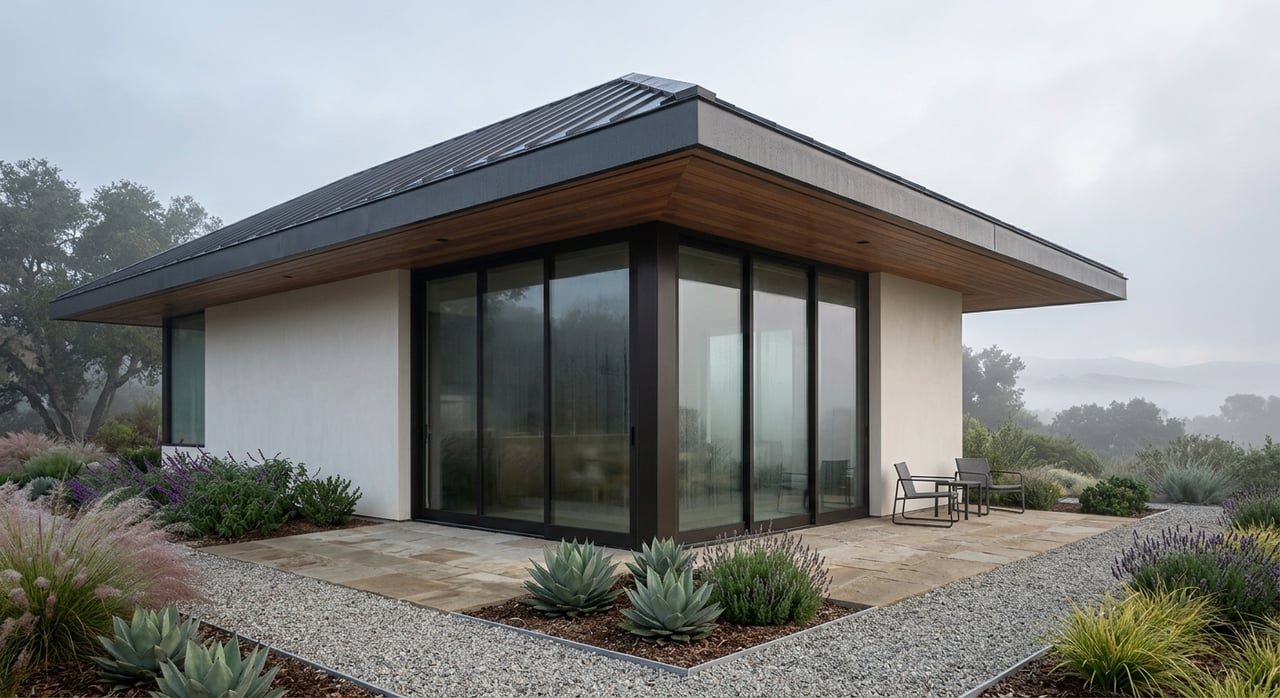
Napa Valley Estate Microclimates and Smart Buying Decisions
May 28, 2026
May 28, 2026
A Napa estate can feel dramatically different from one road to the next. In this valley, climate is not a background detail. It shapes how a property lives, how land performs, and what kind of planning a purchase may require.
If you are considering an estate, vineyard parcel, or legacy property in Napa, it helps to look past the address and study the site itself. Distance from San Pablo Bay, elevation, slope, sun exposure, and fog patterns all influence the ownership experience. Let’s dive in.
Napa Valley is best understood as a series of microclimates, not one uniform climate zone. Federal AVA materials describe a valley floor roughly 25 miles long and 1 to 4 miles wide, with a strong Bay influence in the south and shifting conditions as you move north and up in elevation.
That broad pattern matters in practical ways. Valley-floor mornings are often cool, foggy, and breezy, while northern areas generally run warmer in summer and colder and wetter in winter. For estate buyers, that means the same county can deliver very different daily living conditions depending on the parcel.
At the south end, Bay influence is strongest. TTB materials describe Carneros and Huichica as the coldest southern Napa and Sonoma grape-growing area, shaped by cool air and marine conditions.
If you tour estates here, you may notice cooler mornings, more frequent fog, and a generally softer summer feel. That can be appealing if you value a layered climate and outdoor spaces that do not hold heat the same way they might farther north.
Oak Knoll and Yountville are also described as among the coolest vineyard regions outside Carneros. Summer fog is common, and cool breezes from San Pablo Bay contribute to a long, cool growing season.
For buyers, this often translates into a different rhythm of use. Morning coffee on a terrace may feel brisker, gardens may hold more moisture, and homes may benefit from design choices that invite sunlight into living areas early in the day.
Mid-valley districts are not climate copies of each other. TTB materials on Stags Leap describe a funnel-like setting that can channel Bay breezes and fog, while other nearby areas may be shaped more by slope, exposure, or shielding from surrounding terrain.
That is why estate decisions in Napa should stay parcel-specific. Two homes with similar square footage and similar mailing addresses can have very different sun patterns, wind exposure, and temperature swings.
On a practical level, slope direction and topographic cover can affect how quickly fog burns off, how warm afternoons feel, and how much shade a site naturally receives. These differences can influence everything from outdoor dining comfort to how hard your cooling system works during peak summer periods.
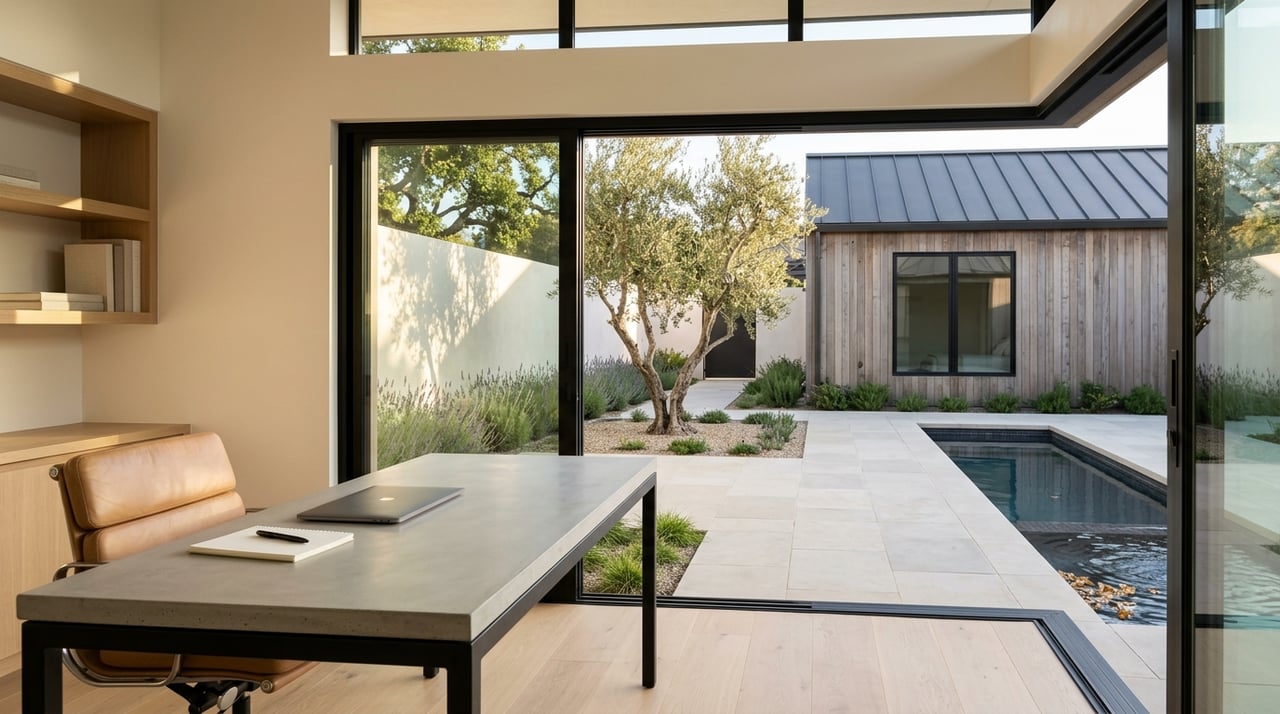
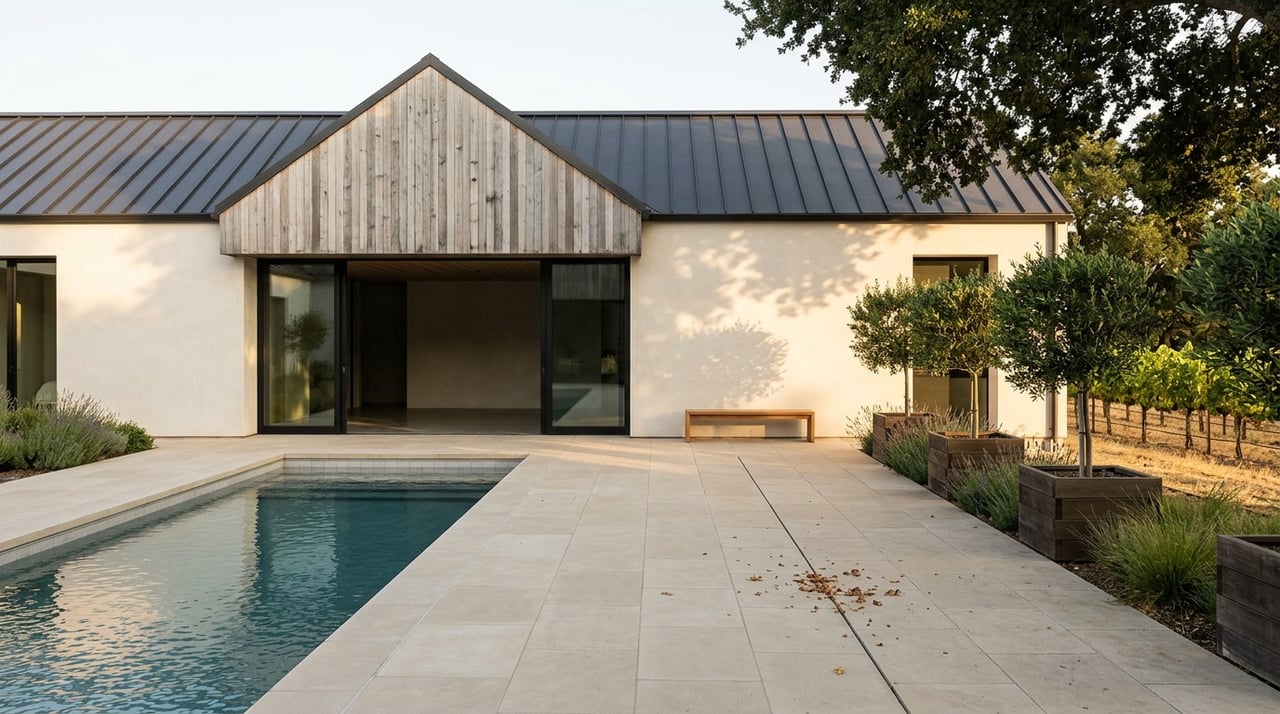
For larger estates, this can also shape where guest spaces, pools, terraces, and gardens make the most sense. Good site planning responds to the land instead of forcing a generic layout onto it.
Local NOAA climate normals for St. Helena and Calistoga show annual mean temperatures in the low 60s Fahrenheit, with annual precipitation in the mid-30s to high-30s inches. Those are useful local reference points, but the larger valley pattern remains the key guide: Napa generally grows warmer in summer as you move north.
For estate buyers, that can mean sunnier afternoons, higher heat loads, and a stronger need for shade and cooling strategies. It can also change how you think about window orientation, covered outdoor living, and the durability of exterior materials.
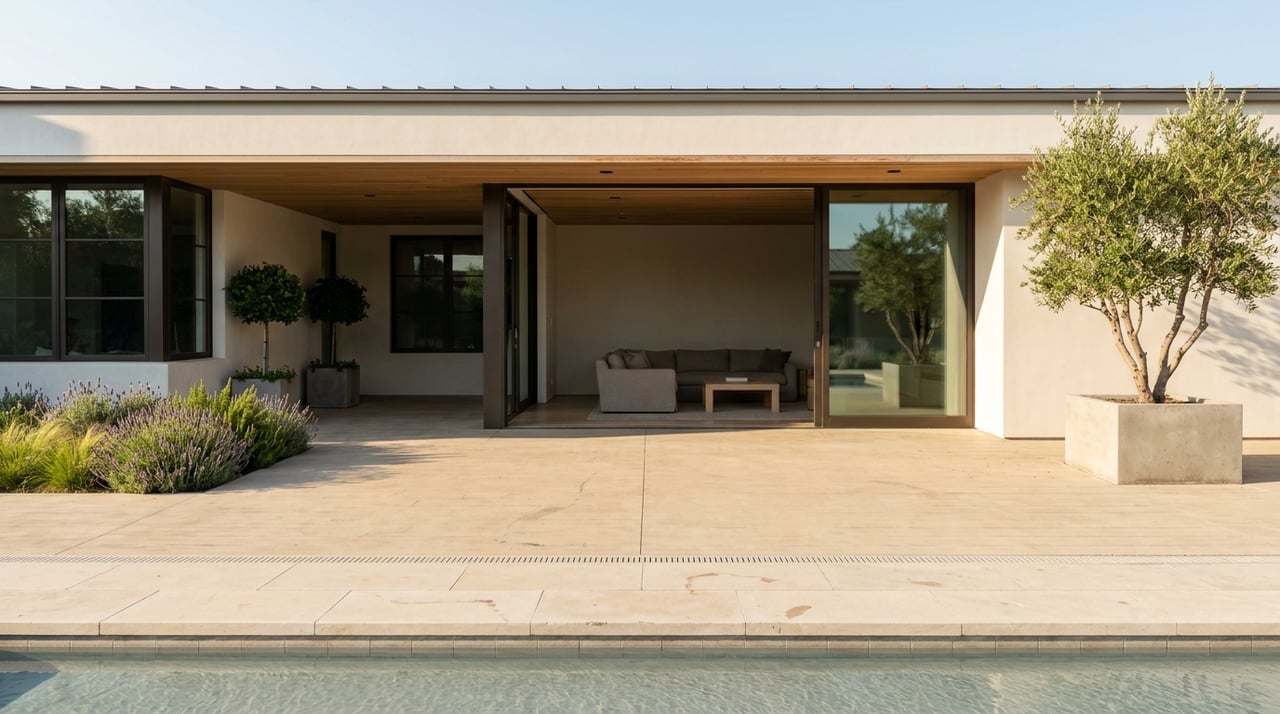
A warmer parcel may support a very different style of living than a foggier one farther south. Pools, broad patios, and west-facing seating areas can be more usable at some times of day and less comfortable at others if heat management is not carefully planned.
This does not make one area better than another. It simply means your ideal estate should match how you actually want to live on the property.
Mountain and ridge properties often behave very differently from valley-floor estates. TTB materials note that Howell Mountain sits roughly 1,400 to 2,200 feet above sea level, with an average mean temperature of 56.6°F and annual rainfall of about 40.74 inches.
Those same materials note that the valley floor can sit in fog while Howell Mountain is in sunlight. Mount Veeder materials similarly describe slopes from 900 to 2,600 feet, with faster fog burn-off, cooling afternoon breezes, and early morning sun.
For buyers, mountain settings can offer striking views, stronger solar exposure, and a more elevated sense of privacy. At the same time, steeper terrain may require more careful planning around driveways, retaining walls, terraces, drainage, and access.
That matters if you are evaluating a property for immediate use or long-term improvements. A dramatic setting can be compelling, but the site may demand more engineering and more disciplined planning than a flatter valley-floor parcel.
Climate is central to vineyard decisions, but Napa does not reward one-size-fits-all assumptions. Oak Knoll materials describe conditions that favor Chardonnay and other cool-climate grapes, while mountain-area materials describe shorter growing seasons, fewer degree days, lower daytime highs, less fog, more solar radiation, and in some areas more precipitation.
The key takeaway is simple: vineyard potential is a site-specific question. If you are evaluating an estate with vines or land that may support future planting, the parcel’s exact conditions matter far more than the Napa Valley label alone.
One of the biggest mistakes buyers make is judging a property only by views and finishes. In Napa, architecture and landscape choices work best when they respond directly to fog, heat, slope, exposure, and seasonal moisture.
On cooler or foggier parcels, more sun access and moisture management may improve comfort and performance. On warmer or more exposed sites, shade, durable exterior materials, and strong cooling systems often become more important.
Napa County’s Firewise guidance also notes that no plant is fireproof and that maintenance matters more than species selection alone. The county advises that slope, aspect, shade, and precipitation should guide landscape choices, which is especially relevant for large estates with extensive grounds.
In Napa estate purchases, wildfire is a first-order issue. Napa County says updated 2025 Fire Hazard Severity Zone maps have been released by CAL FIRE, and the county enforces defensible-space rules.
The county also states that if a property is in a high or very high fire hazard severity zone, a sale requires a compliant defensible-space inspection report that is no more than six months old. CAL FIRE further notes that home hardening should be paired with defensible space, including ember-resistant vents and other ignition-resistant details.
Not every climate-related risk in Napa is tied to fire. Napa County defines a Special Flood Hazard Area as land with a 1% annual chance of flooding and regulates development within the 100-year flood zone.
That makes floodplain review an important step for low-lying parcels. Before you get too attached to a creekside setting, open meadow, or valley-floor view, it is worth understanding what the site allows and what additional planning may be required.
In Napa, elevation, fog exposure, heat, wind, and access often come bundled together. The same hillside that opens up sweeping vistas may also change wildfire planning, site engineering, and day-to-day comfort. The same cool southern parcel that feels serene on a summer morning may ask for different design decisions than a sunnier northern estate.
That is why estate buying here benefits from a more careful lens. You are not just choosing a house. You are choosing a microclimate, a land pattern, and a long-term ownership experience.
If you are evaluating a Napa estate, vineyard property, or legacy parcel, working with senior advisors who understand both the lifestyle and the diligence behind these assets can make the process far clearer. For discreet guidance on Napa and broader wine-country estate opportunities, connect with The Goldman Gray Group.
Stay up to date on the latest real estate trends.