Napa Valley Estate Pricing Factors That Shape Value
June 25, 2026
June 25, 2026
Wondering why two Napa estates with similar acreage can carry very different price tags? You are not alone. In Napa, pricing is rarely about a simple dollar-per-acre shortcut. It is shaped by land use rules, vineyard context, water, topography, and the quality of what is already built on the site. If you are trying to make sense of a listing, this guide will help you read the numbers more clearly and ask smarter questions. Let’s dive in.
In Napa, the first question is not always how big a property is. It is what the land can legally support. Napa County’s General Plan is designed to direct housing and commercial growth toward incorporated or urbanized areas while protecting agricultural, watershed, and open-space land.
That matters because minimum parcel sizes in protected areas can be 40 or 160 acres. A parcel may look substantial on paper, but its legal use can shape value far more than raw size alone. In other words, list price often reflects utility and restrictions just as much as scenery or square footage.
Some properties may also be subject to Williamson Act contracts. These contracts can restrict eligible land to agricultural use and can affect how the land is taxed by valuing it based on restricted use rather than full market value. For buyers and sellers, that makes due diligence essential when interpreting price.
Napa Valley was California’s first American Viticultural Area, or AVA. The valley is also remarkably compact, roughly 30 miles long and only a few miles wide in many places, with distinct soils and microclimates that shape vineyard identity.
Within the Napa Valley AVA, there are 17 nested AVAs, including Oakville, Rutherford, Stags Leap District, Howell Mountain, and Crystal Springs of Napa Valley, which was established in 2024. For estate pricing, AVA often acts as a location and identity signal that can influence buyer interest.
AVA is important, but it is not a pricing formula by itself. Two estates with similar acreage can be valued very differently if one is in a more recognized AVA or on a site that supports more marketable fruit, but AVA alone does not set the number.
This is part of what makes Napa pricing nuanced. A recognized AVA can support reputation and demand, yet the full value story still depends on legal use, water, usable land, and improvements.
One of the biggest mistakes buyers make is assuming every acre carries the same value. In Napa, that is rarely true. Some acres may be planted vineyard, some may be plantable open land, some may be steep hillside, and some may function mainly as protected slope or open space.
That means a 20-acre estate and another 20-acre estate may have very different utility. A smaller parcel with flatter, more usable land can sometimes offer more practical value than a larger but constrained site.
Napa County notes that site constraints affect what can be done with a property. Erosion-control rules apply to land clearing and grading in steeper or more sensitive areas, which can affect future improvements and development costs.
The County’s Viewshed Protection Program also aims to keep future improvements compatible with ridgelines, hillside landforms, and public views. Design standards encourage minimizing grading, using screened and lower-profile siting, and keeping building forms visually consistent with the terrain.
For you, that means topography is not just a visual feature. It can directly affect usability, permitting complexity, and long-term value.
Water is one of the most important parts of Napa estate pricing. Napa County says groundwater conditions vary based on slope, geology, soil type, and vegetation. The Napa Valley Subbasin covers much of the valley floor, where groundwater wells draw from an alluvial aquifer.
The County also notes that groundwater is limited. That alone should tell you why water access and reliability are central to how buyers and sellers interpret value, especially on vineyard-oriented or agricultural properties.
There is also an ongoing cost dimension. Napa County’s groundwater fee framework charges agricultural users per planted acre, which is a reminder that planted land can come with continuing operating costs. When you look at price, it helps to look beyond acquisition cost and consider what the acreage may require over time.
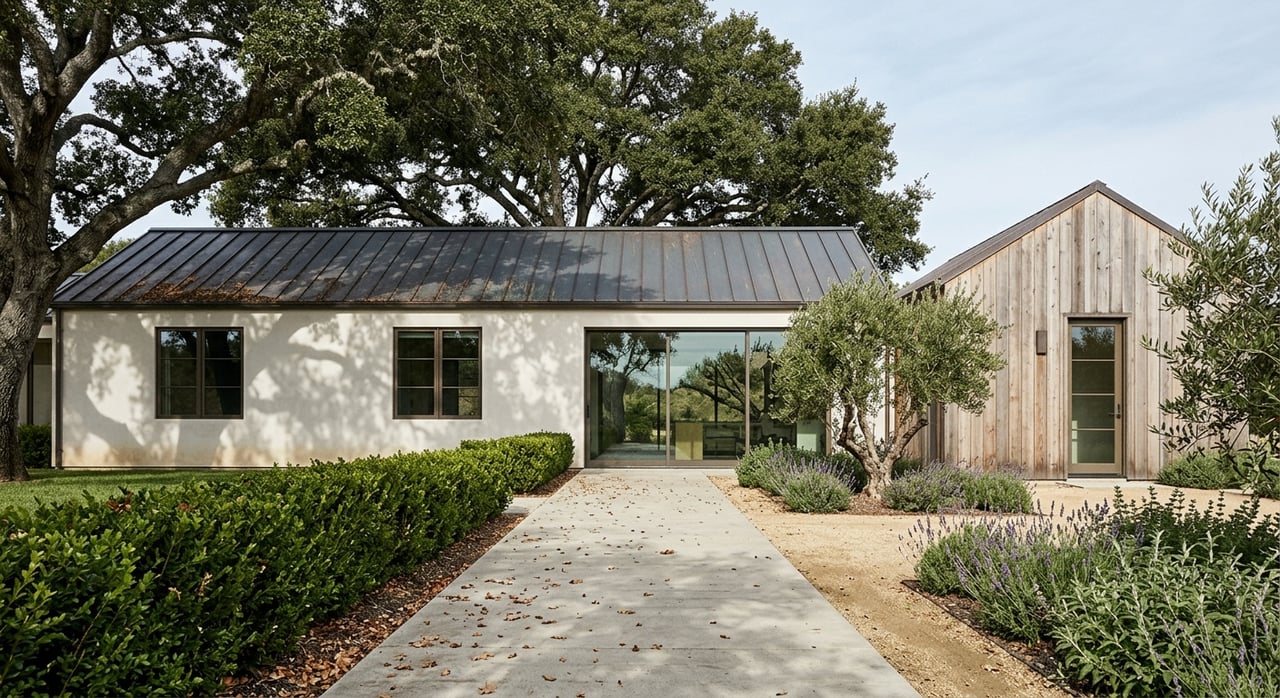
In many markets, improvements are mostly about home size and finishes. In Napa, they can carry extra importance because site design, placement, and visual impact are tied to local rules, especially on hillsides and visible terrain.
County rules address structure placement, massing, materials, lighting, and screening. That means architecture and site planning can shape both buyer appeal and development complexity.
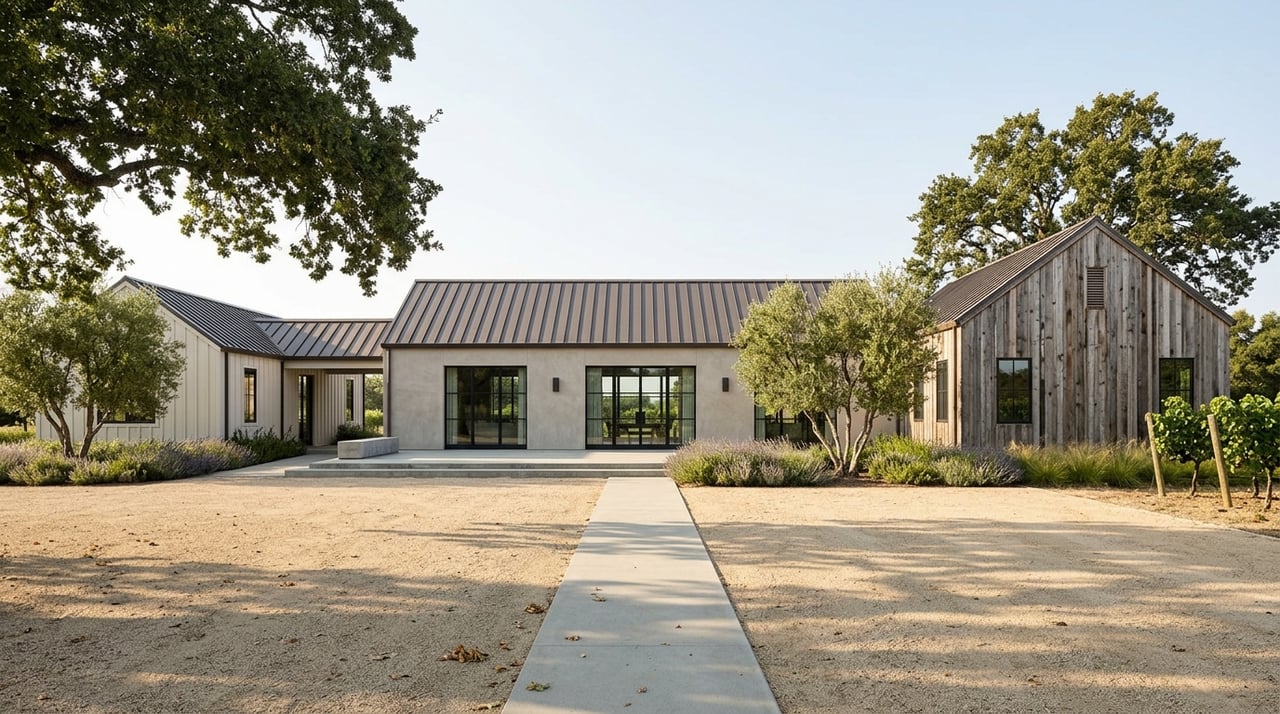
On estate properties, the improvement package often includes more than a house. Roads, wells, water tanks, reservoirs, septic systems, and related site improvements can all be part of the value picture.
These elements may not show up in a simple online estimate, but they matter. In a market like Napa, where land and regulation are deeply connected, the practical readiness of a site can meaningfully influence pricing.
Price per acre can be useful, but only if you normalize what you are comparing. If one estate has planted vineyard acres, strong water access, a usable building area, and refined improvements, and another has steep terrain, restrictions, and less usable land, the same per-acre number tells you very little.
A better approach is to break the property into layers. Look at legal use first, then location and AVA context, then usable acreage and water, and finally the quality of the improvements.
This layered approach is especially important in Napa because the County’s land-use framework is built to preserve agriculture and limit conversion. As a result, two properties with the same lot size can have very different entitlement profiles and very different buyer appeal.
When you compare one Napa estate to another, property type should come first. Geography matters, but the best comparable set usually aligns on more than just a nearby address.
A meaningful comparison should try to match factors such as:
Without those adjustments, a comp can point you in the wrong direction. Napa is a market where the details behind the listing often matter more than the headline metrics.
If you are evaluating a Napa estate, a few questions can quickly sharpen your perspective.
Ask what portion of the acreage is truly usable. Ask whether the parcel has agricultural restrictions or contract status that affects use. Ask how water is sourced and whether the land is planted, plantable, steep, or largely conserved.
Then ask how the improvements contribute to the whole. A well-sited residence, thoughtful architecture, and established infrastructure may support stronger value than acreage alone suggests.
Napa Valley estate pricing is shaped by a rare mix of agricultural preservation, vineyard economics, and strict site-design standards. Napa County reported $1.0348 billion in total agricultural production in 2024, with winegrapes accounting for $1.0310 billion across 45,967 bearing acres. Napa Valley also represents only a small share of California’s wine grape harvest, which helps explain why well-located land can carry unusual prestige.
Still, prestige does not replace analysis. The clearest way to interpret pricing is to separate the property into the four parts that matter most: legal use, location within the valley and AVA, usable acreage and water, and the quality of improvements.
When a property is especially complex, sparse in comparable sales, or includes vineyard or legacy value that a standard residential comp set cannot capture, a more tailored valuation becomes especially helpful. In a market this specialized, careful interpretation is often what protects both opportunity and downside.
If you are evaluating a Napa estate, buying a legacy property, or preparing a distinctive holding for sale, working with senior-level guidance can help you read the market with more clarity. For discreet, estate-focused advice in Napa and Wine Country, connect with The Goldman Gray Group.
Stay up to date on the latest real estate trends.