Napa Valley Luxury Estate Architecture Styles to Explore
July 2, 2026
July 2, 2026
If you have spent time looking at luxury estates in Napa, you have probably noticed something right away: the most memorable properties do not usually feel loud. They feel grounded, intentional, and closely tied to the land. That matters whether you are buying for lifestyle, evaluating long-term value, or simply trying to understand what gives Napa architecture its distinct identity. In this guide, you will see the major architectural styles shaping Napa luxury estates, what they have in common, and why certain homes feel so unmistakably wine-country. Let’s dive in.
Napa Valley is relatively compact, about 30 miles long and only a few miles wide, but it contains varied microclimates, soils, and a dry Mediterranean climate. That natural range helps shape how properties are designed and sited. Homes and estate compounds often respond to sun, airflow, slope, and views rather than following a one-size-fits-all formula.
Land preservation also plays a major role in Napa’s built environment. Napa is recognized as the first Agricultural Preserve in the United States, and the region is known for strict land-use and environmental regulations. In practical terms, that encourages architecture that feels more integrated with the landscape and less imposed on it.
Napa County design guidance reinforces this character. County standards emphasize permanence, attractive design, retention of natural landform, reduced reflectivity, and roof forms that relate to existing terrain. That helps explain why so many luxury estates in Napa are low-slung, terraced, and carefully positioned to frame the landscape.
One of the most important things to understand is that Napa does not have a single dominant architectural style. County guidance points to a wide palette that includes Contemporary Classic, Spanish Colonial Revival, Victorian, Italianate, Mission Revival, and more. The result is a layered design language rather than a rigid house style.
The City of Napa adds even more historical depth. Historic resources in and around the city span the Victorian era through the post-World War II period, with multiple architectural expressions represented along the way. For today’s buyer, that means Napa luxury can show up as a refined farmhouse, a formal Mediterranean estate, a contemporary pavilion, or a reimagined historic structure.
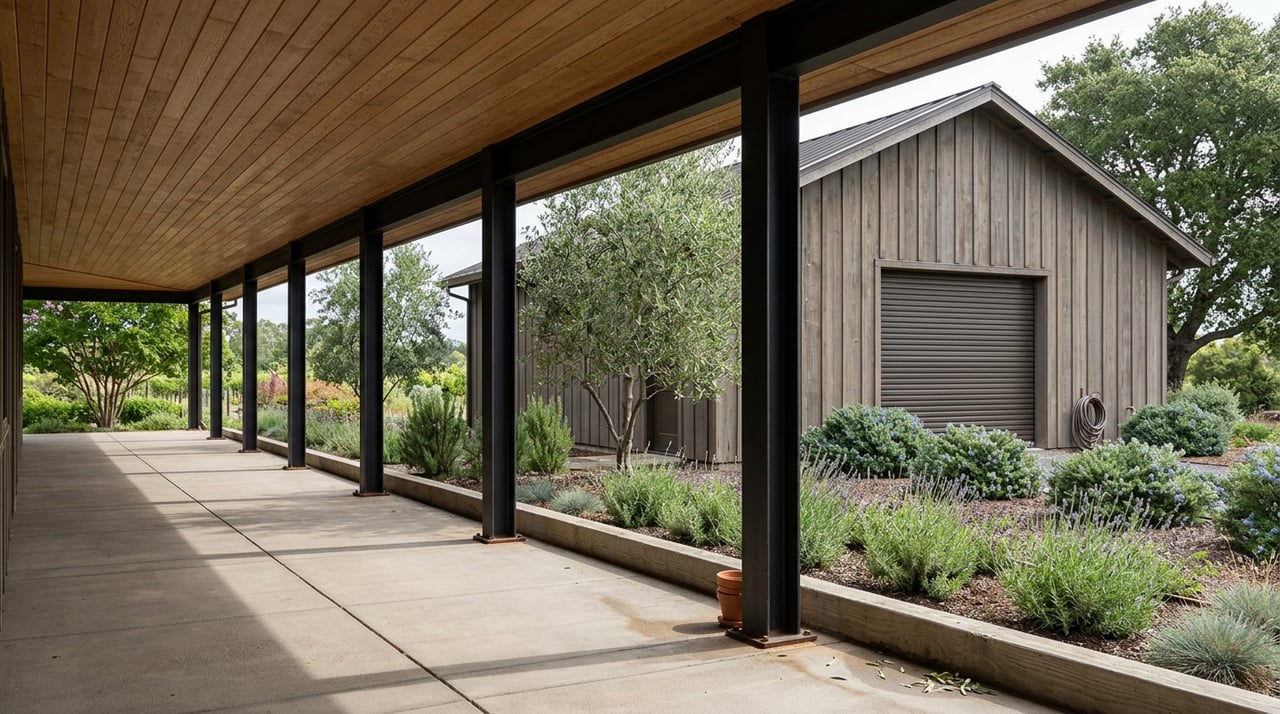
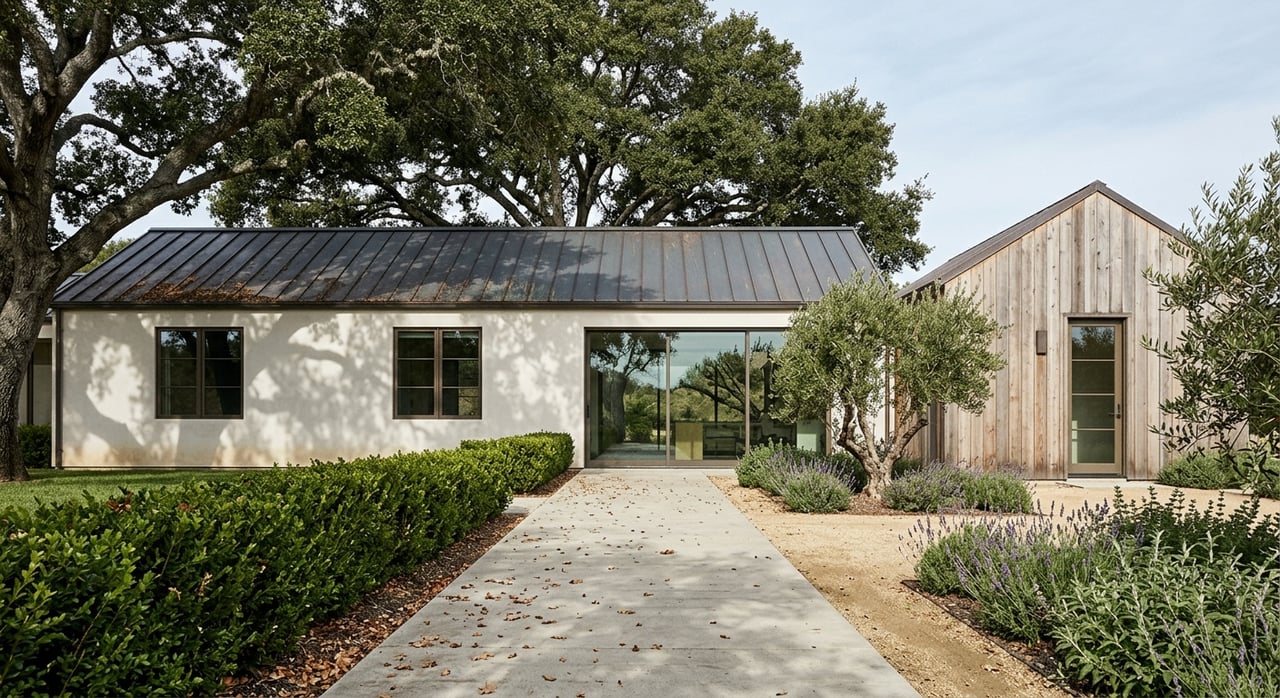
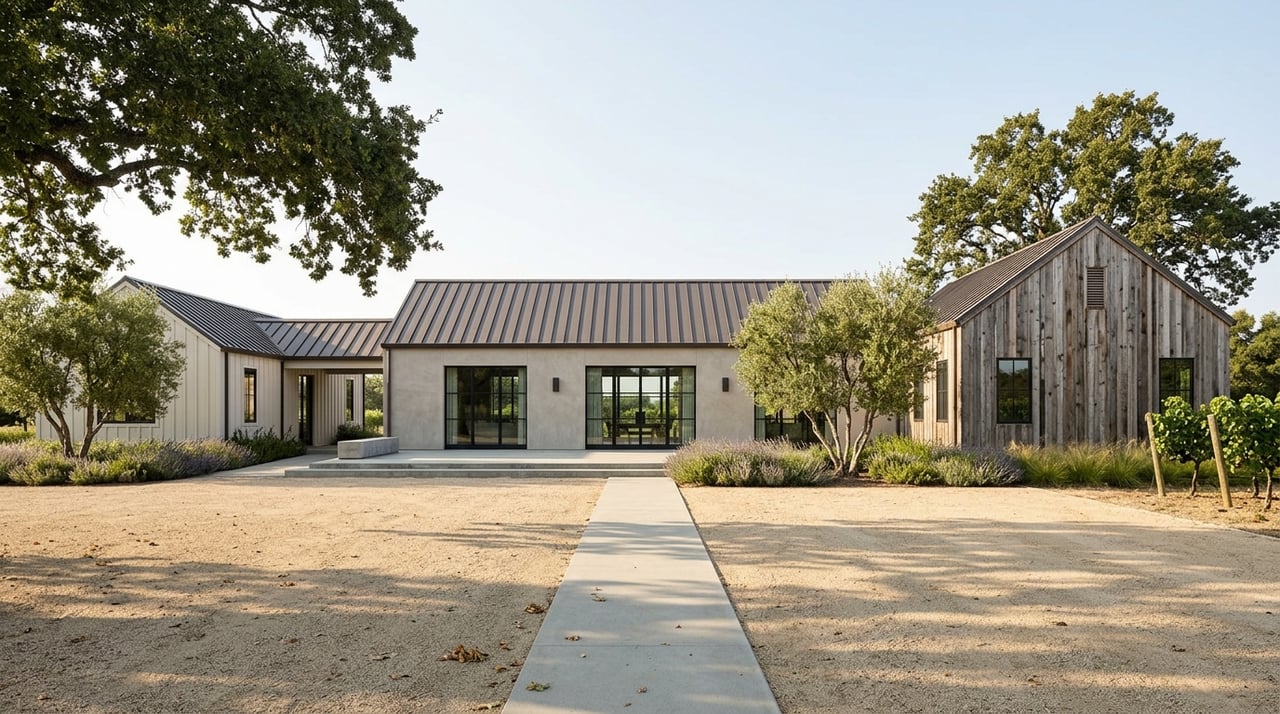
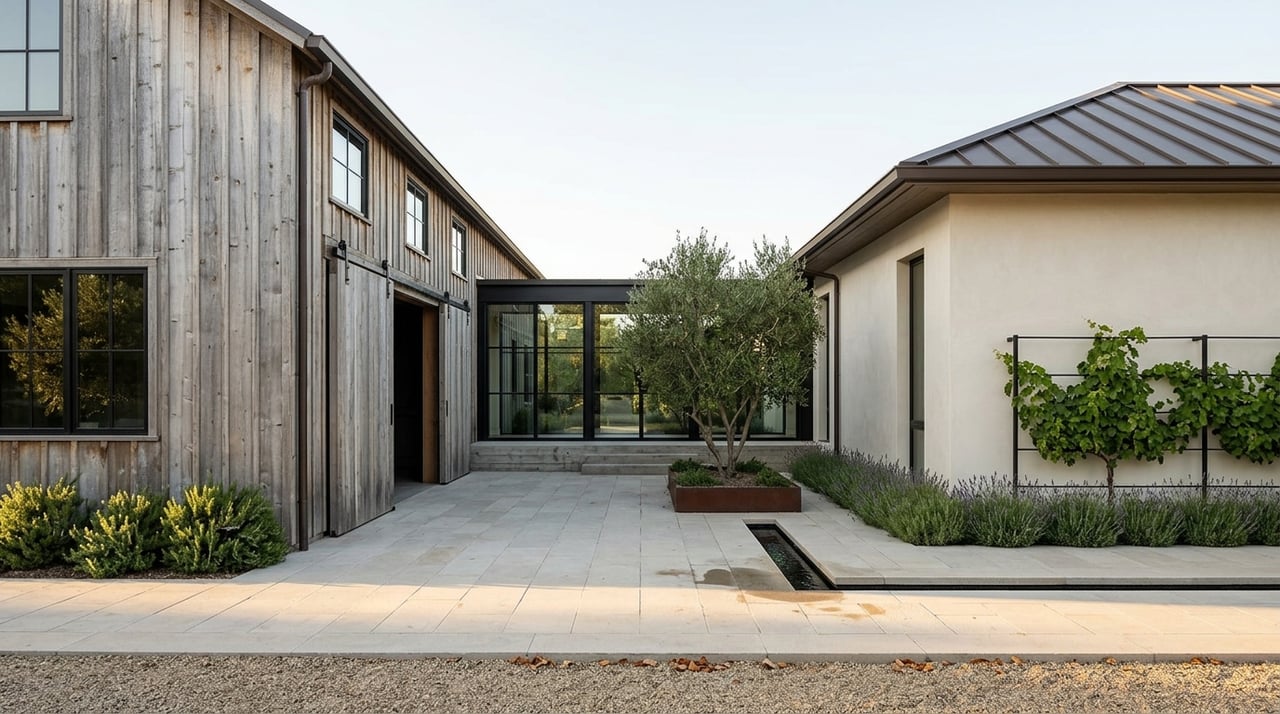
For many buyers, the most recognizable Napa estate style is the modern farmhouse or agrarian vernacular approach. This design language is often associated with a broader Napa aesthetic shaped by architects such as Howard Backen, whose work is known for using stone, timber, concrete, and simple forms that merge with the setting. It is less about nostalgia and more about restraint, warmth, and connection to place.
These homes often feature gabled rooflines, board-and-batten wood siding, heavy beams, reclaimed or weathered materials, and generous porches. The forms are usually straightforward, but the finish and execution are elevated. That is part of what gives the style its luxury appeal.
What makes this look resonate in Napa is its balance. It can feel relaxed without seeming casual, and refined without feeling overdesigned. For buyers seeking privacy, land, and everyday livability, this style often delivers a very natural fit.
If you are evaluating this style in Napa, several features tend to stand out:
In strong examples, the home feels calm and usable from the moment you arrive. The architecture supports the setting instead of competing with it.
Another major style family in Napa luxury real estate draws from Mediterranean, Tuscan, and other Old-World references. These homes often use masonry, stone, arches, courtyards, columns, and axial arrival sequences to create a stronger sense of formality. They can feel substantial and established in a way that appeals to buyers looking for classic estate presence.
In Napa, though, the best versions of this style rarely feel heavy or overly themed. Instead, they tend to pair traditional elements with a more open relationship to the outdoors. Courtyards, loggias, and broad openings help soften the architecture and keep it aligned with wine-country living.
This is an important distinction. In some markets, Mediterranean design can feel inward-looking or decorative. In Napa, it often works best when the architecture creates a sense of arrival, then opens outward to vineyards, gardens, terraces, or long valley views.
Mediterranean and Tuscan-inspired estates often appeal for a few consistent reasons:
If you want a property that feels estate-like from the outset, this style often delivers that experience.
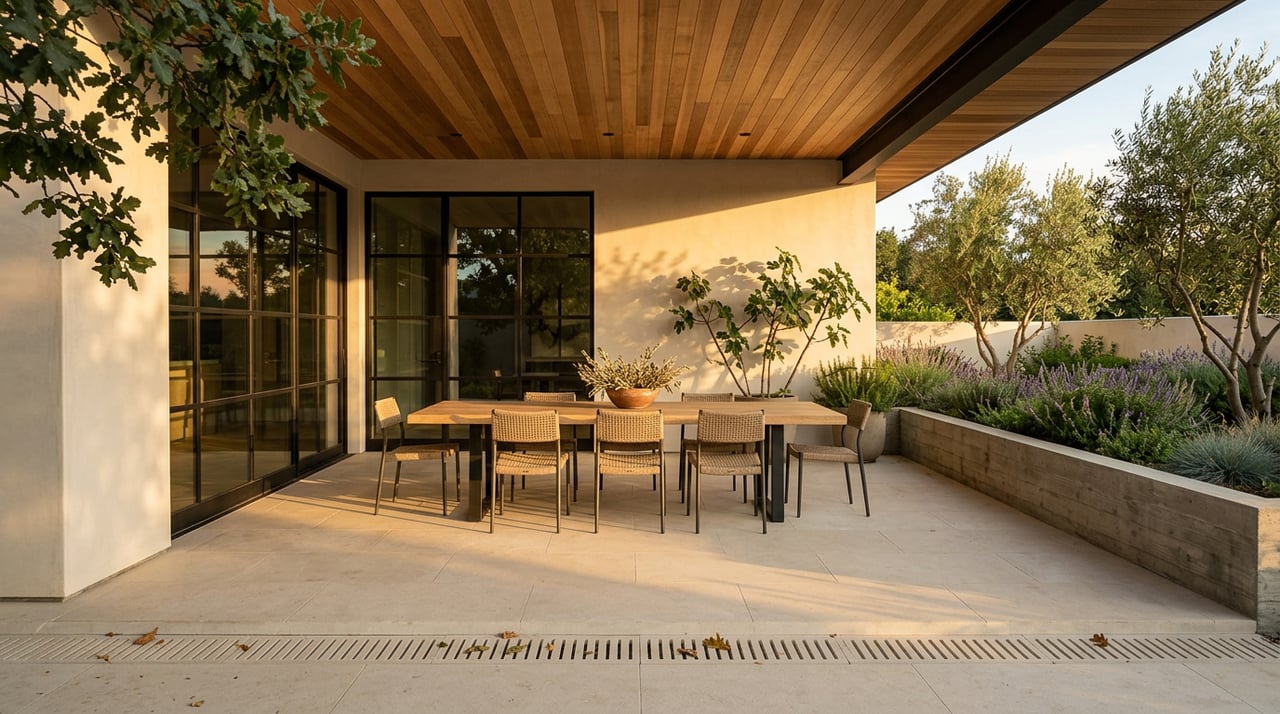
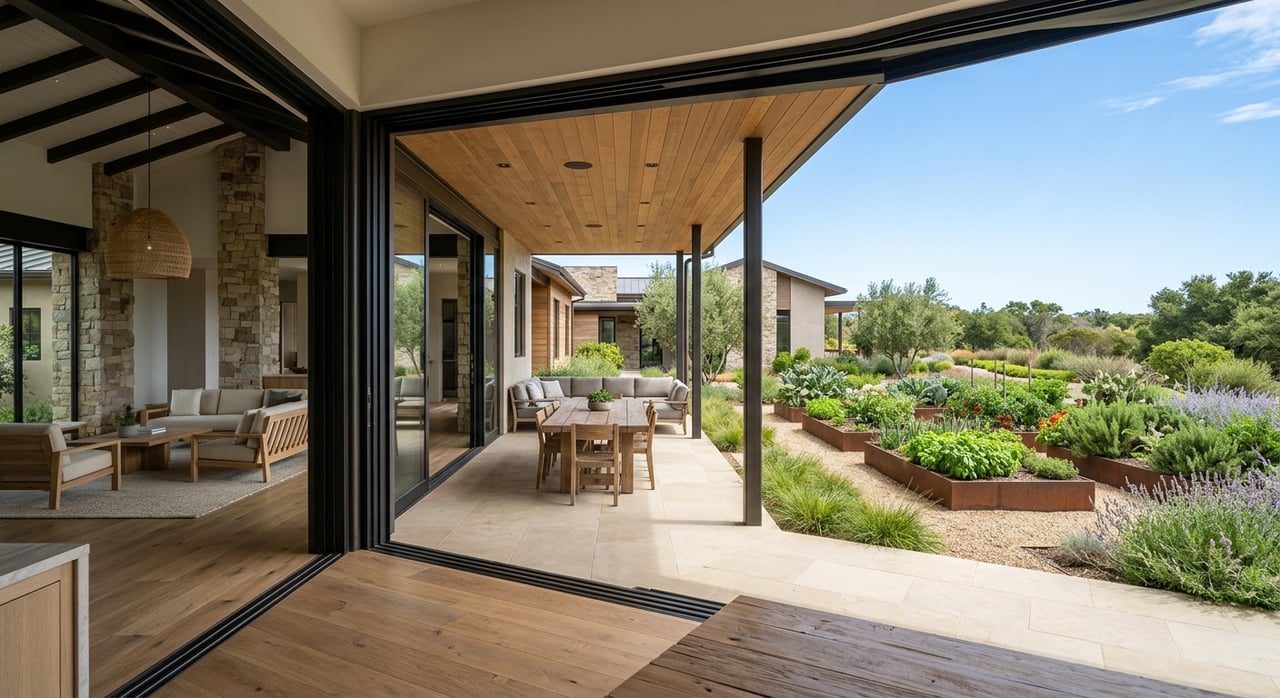
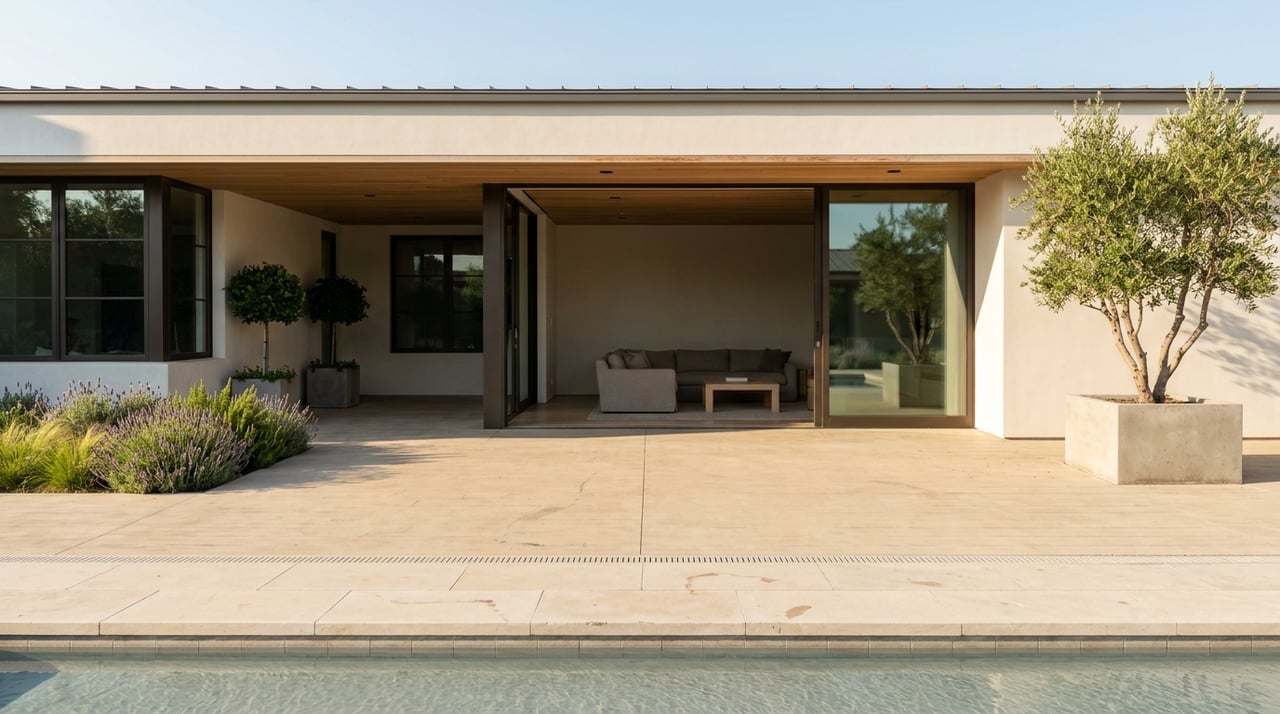
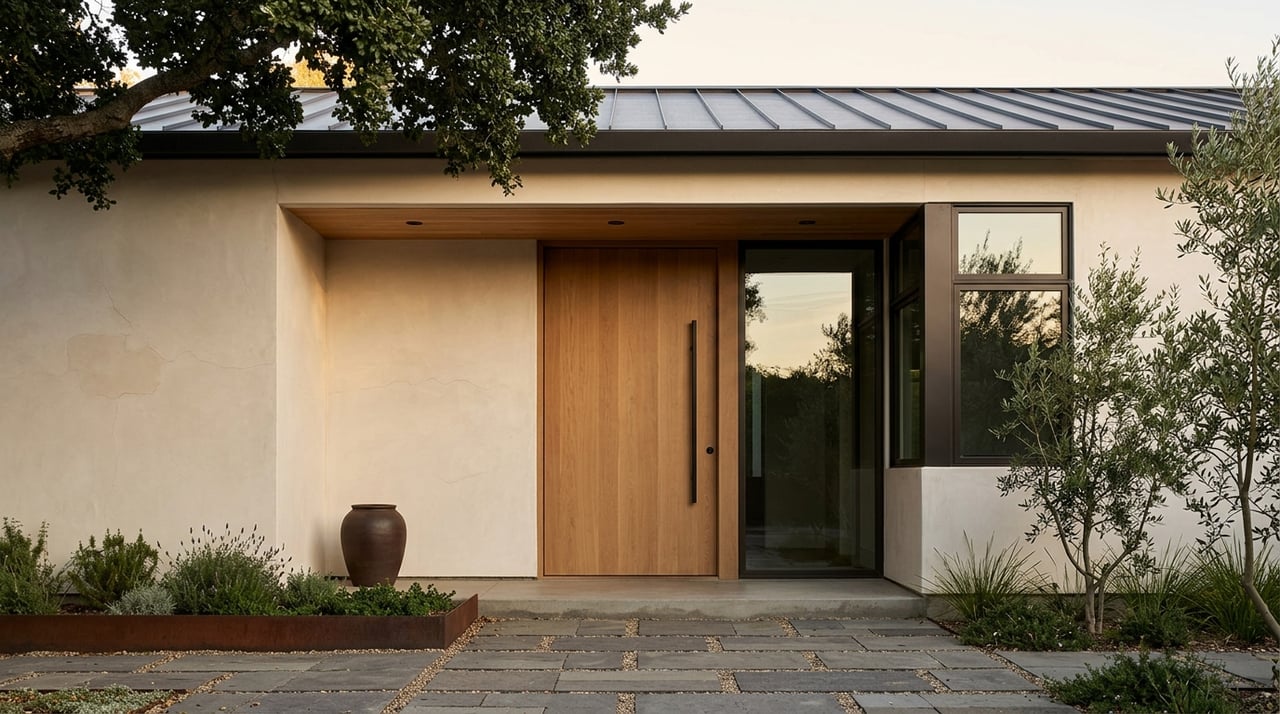
Contemporary pavilion-style estates represent another defining Napa expression. These homes typically use restrained geometry, generous glass, weathering materials, and sheltered outdoor spaces to let the landscape remain the focal point. Rather than presenting as fortress-like, they often feel open, airy, and tuned to the climate.
This style is especially effective in Napa because it aligns so naturally with the valley’s conditions. The dry Mediterranean climate, varied terrain, and viewshed-conscious design culture all support architecture that emphasizes shade, airflow, and seamless movement between indoors and out. Ridge-top siting, terraces, and framed vineyard views often become part of the design itself.
For many luxury buyers, this is where Napa architecture feels most current. The clean forms can be modern, but the strongest examples still feel warm and site-specific rather than stark. Materials and proportion do a lot of the work.
You will often see these features in pavilion-style homes:
When done well, these estates feel luxurious because of their siting, scale, and calm confidence, not because of ornament.
Napa’s luxury market also includes historic structures and adaptive reuse properties that carry a different kind of appeal. Napa County’s general plan encourages the reuse and rehabilitation of historic buildings, and preservation-minded review applies when historic resources are altered. That makes heritage architecture a meaningful part of the local landscape.
For buyers, these properties can offer something increasingly rare: a direct connection to Napa’s longer story. Instead of starting from a blank slate, the architecture builds on an existing structure, material history, or legacy use. That often creates a level of character that new construction cannot easily replicate.
Examples in the region show how old stone shells, brick walls, and legacy agricultural structures can be incorporated into modern residential or hospitality-oriented uses. The result can feel both rooted and contemporary, especially when the original materials remain visible and central to the design.
Even though Napa includes many architectural styles, the strongest luxury properties tend to share a few core traits. Understanding these traits can help you evaluate a home beyond the label attached to it.
The most Napa-like estates feel shaped by their sites. They follow contours, preserve views, and sit low in the landscape. Rather than dominating the terrain, they seem to belong to it.
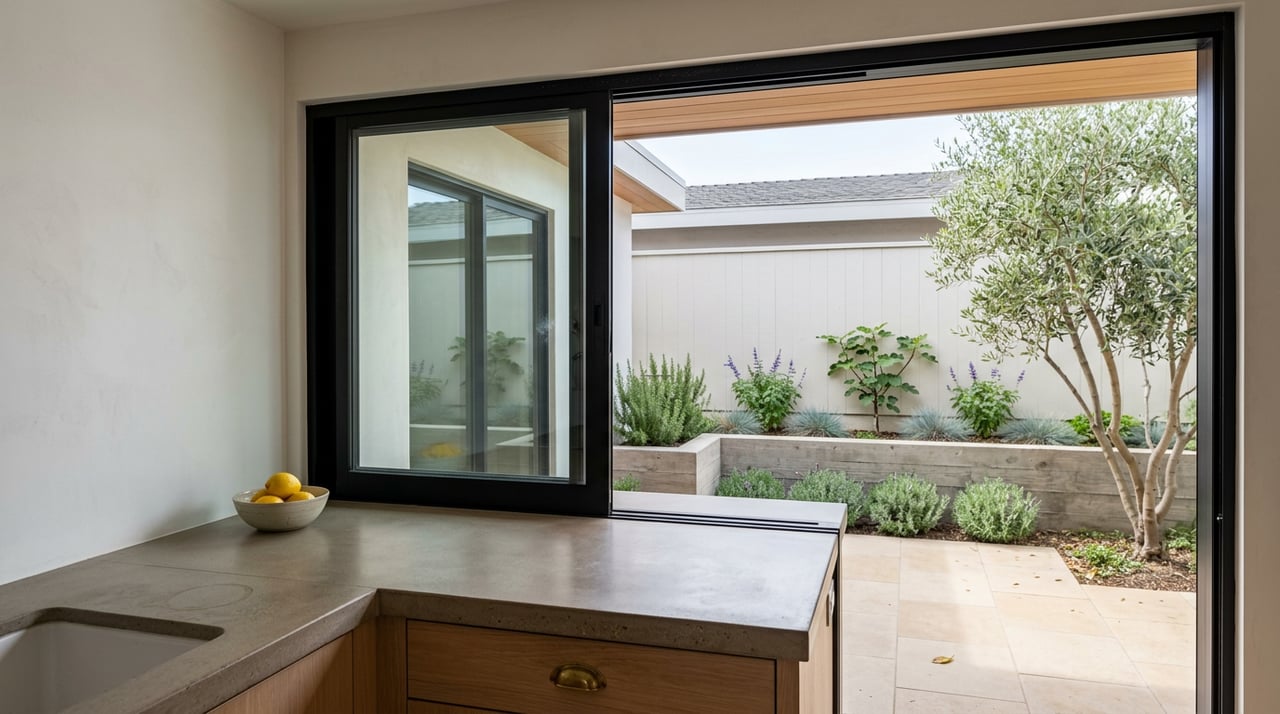
Across styles, Napa estates often prioritize natural flow between interior rooms and exterior gathering spaces. Courtyards, pavilions, terraces, and covered dining areas are common because they support the climate and the lifestyle many buyers want here.
Stone, timber, redwood, reclaimed wood, concrete, steel, and glass appear again and again. These materials help homes age gracefully and maintain a tactile relationship with the surrounding landscape.
Many luxury estates in Napa are designed around gathering, but the feeling is usually understated. Great rooms open to terraces. Outdoor spaces function like living rooms. Privacy, proportion, and comfort matter as much as visual drama.
In Napa, luxury often reads as quiet confidence. It comes through siting, craftsmanship, proportion, privacy, and the quality of the indoor-outdoor experience. A home can be impressive here without being flashy.
That matters if you are comparing wine-country properties across different styles or submarkets. A newer contemporary estate and a more traditional farmhouse may look very different on the surface, but both can express the same local values if they are thoughtfully tied to the land and designed for real use.
For sellers, this also shapes presentation and positioning. Architecture in Napa is not only about square footage or finish selections. It is about narrative, setting, and how the property expresses the broader wine-country lifestyle in a credible way.
If you are buying or selling a luxury estate in Napa, architectural style should be viewed as more than an aesthetic preference. It influences market appeal, storytelling, and how a property is understood by discerning buyers.
A few practical questions can help:
These questions can reveal why one estate feels compelling while another, even at a similar price point, feels less memorable. In a market like Napa, nuance matters.
If you are considering a purchase, preparing a legacy estate for sale, or evaluating a property with vineyard, heritage, or hospitality potential, a design-informed perspective can make a real difference. For discreet, senior-led guidance on Napa and broader wine-country luxury real estate, The Goldman Gray Group can help you navigate the market with clarity and care.
Stay up to date on the latest real estate trends.