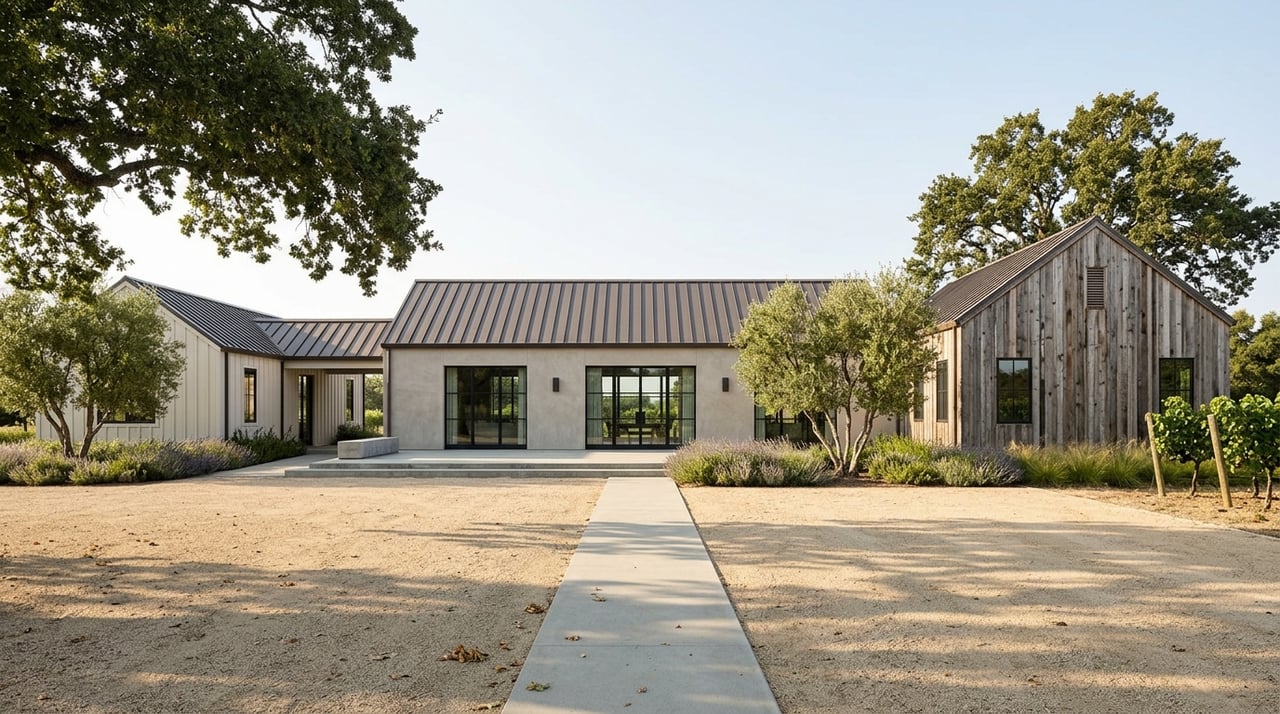
Planning a Petaluma Ranch-to-Luxury-Estate Conversion
July 9, 2026
July 9, 2026
If you own or are considering a ranch property in Petaluma, you may already see the opportunity: these landscapes can offer far more than a single residence and a few outbuildings. In the right setting, a traditional ranch can evolve into a modern estate compound that supports flexible living, preserves rural character, and feels tailored to how you want to use the land today. The key is understanding what Petaluma will support, what Sonoma County may require, and where vision has to meet local rules. Let’s dive in.
Petaluma is not simply a bedroom community with a rural edge. The city describes itself as an agricultural center shaped by historic egg, poultry, and dairy production, and its long-running urban growth boundary was created to concentrate growth, protect the natural setting, and support farming outside that boundary.
That context matters because it helps explain why ranch properties here still feel connected to working land. Sonoma County’s 2022 Census of Agriculture reported 3,097 farms, $976.4 million in agricultural sales, and 72,358 acres of grapes countywide. In this part of Sonoma County, residential, agricultural, and vineyard uses remain closely linked.
For parcels west and southwest of town, the Petaluma Dairy Belt adds another layer of identity. The area plan emphasizes preserving agricultural resources, protecting scenic beauty, accommodating rural lifestyles, and maintaining transportation networks that support the agricultural economy.
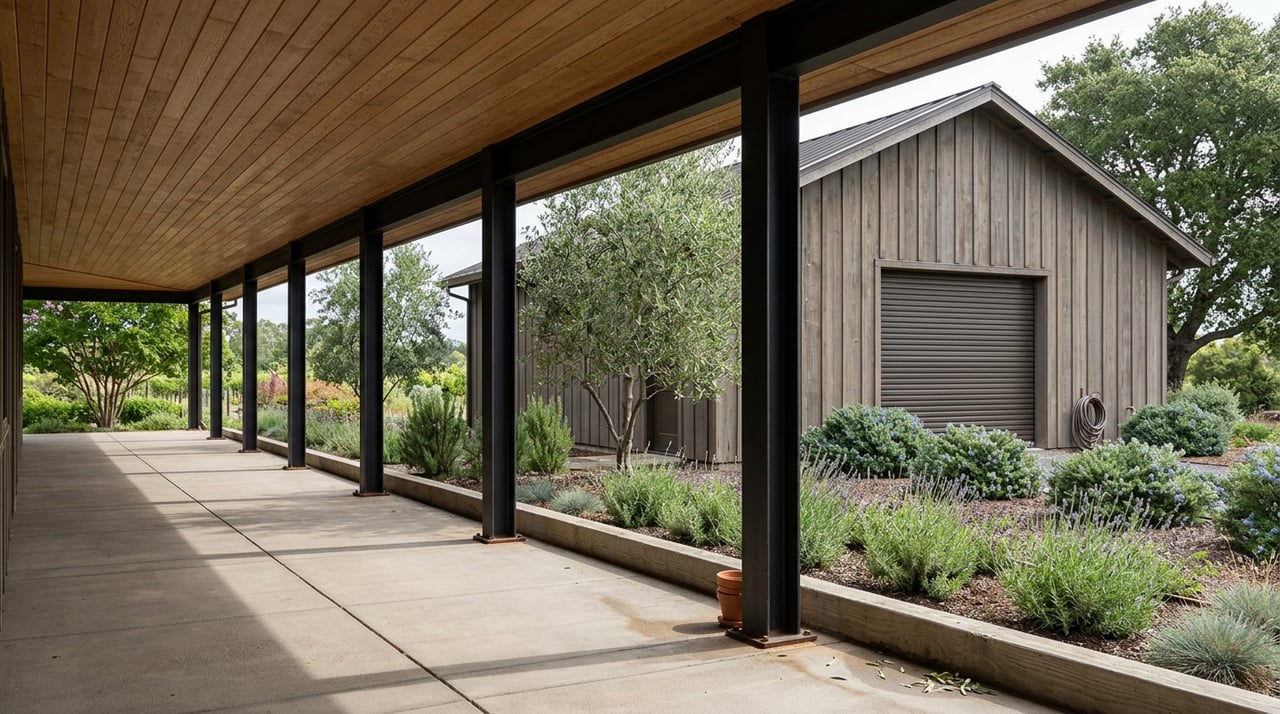
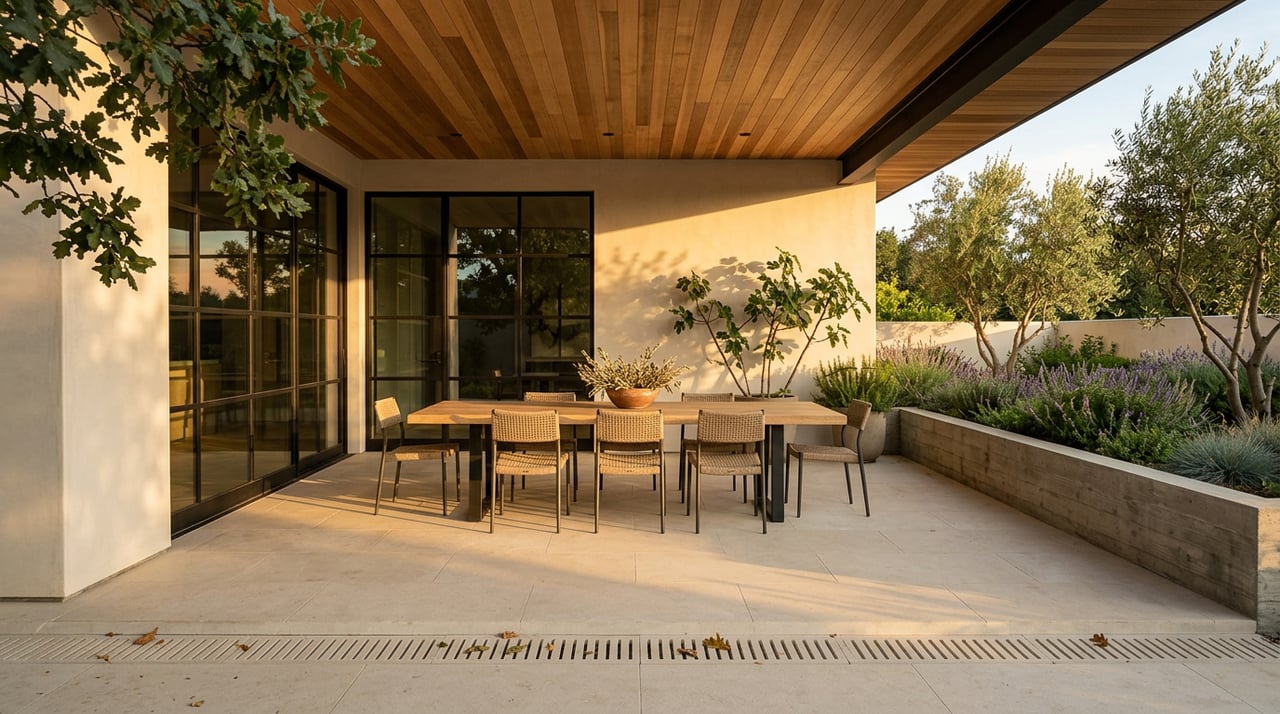
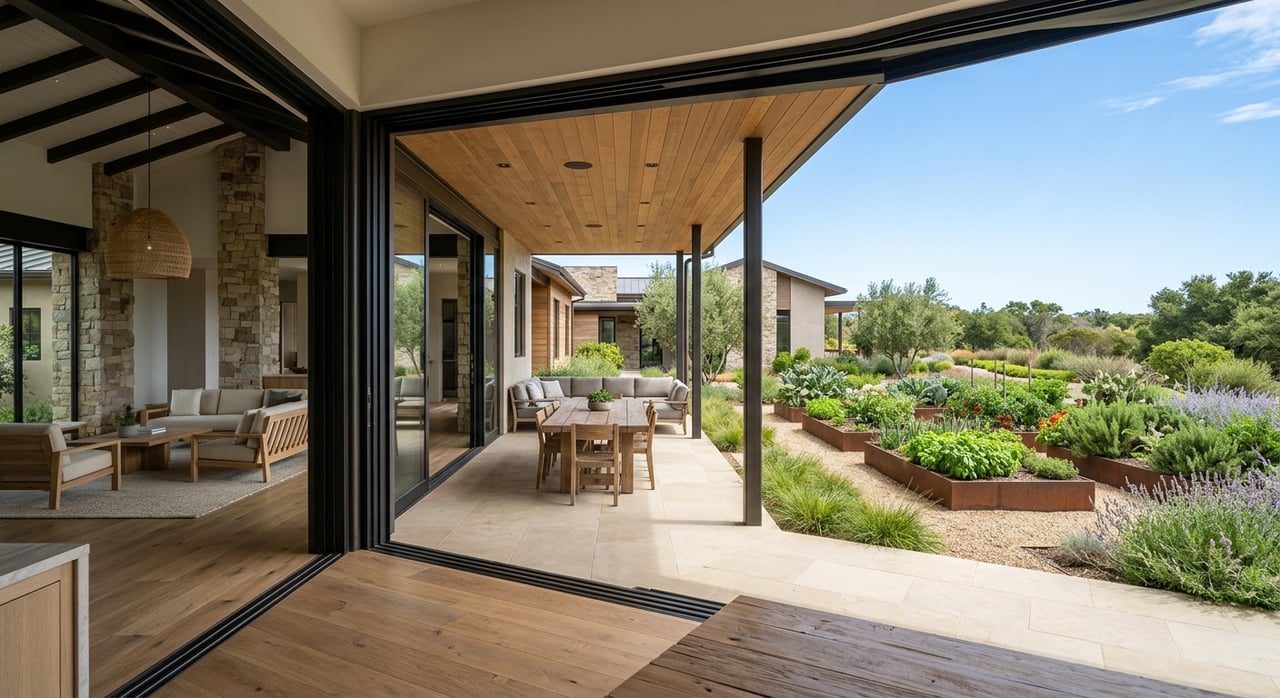
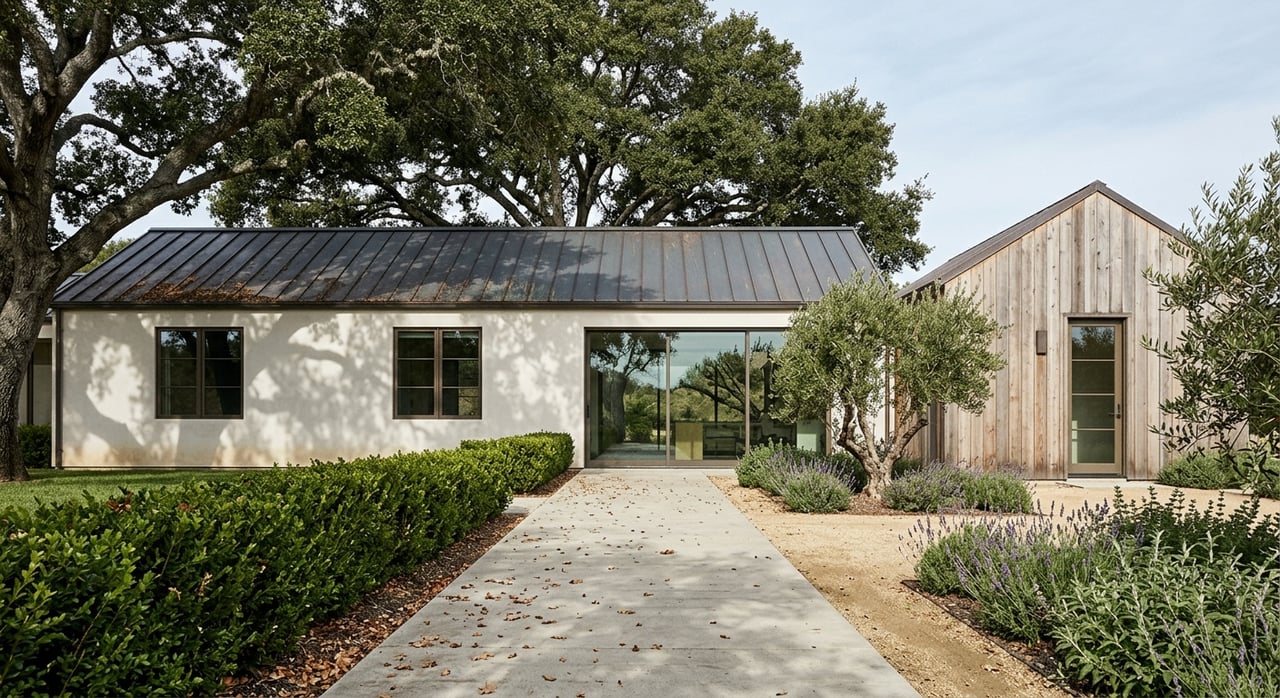
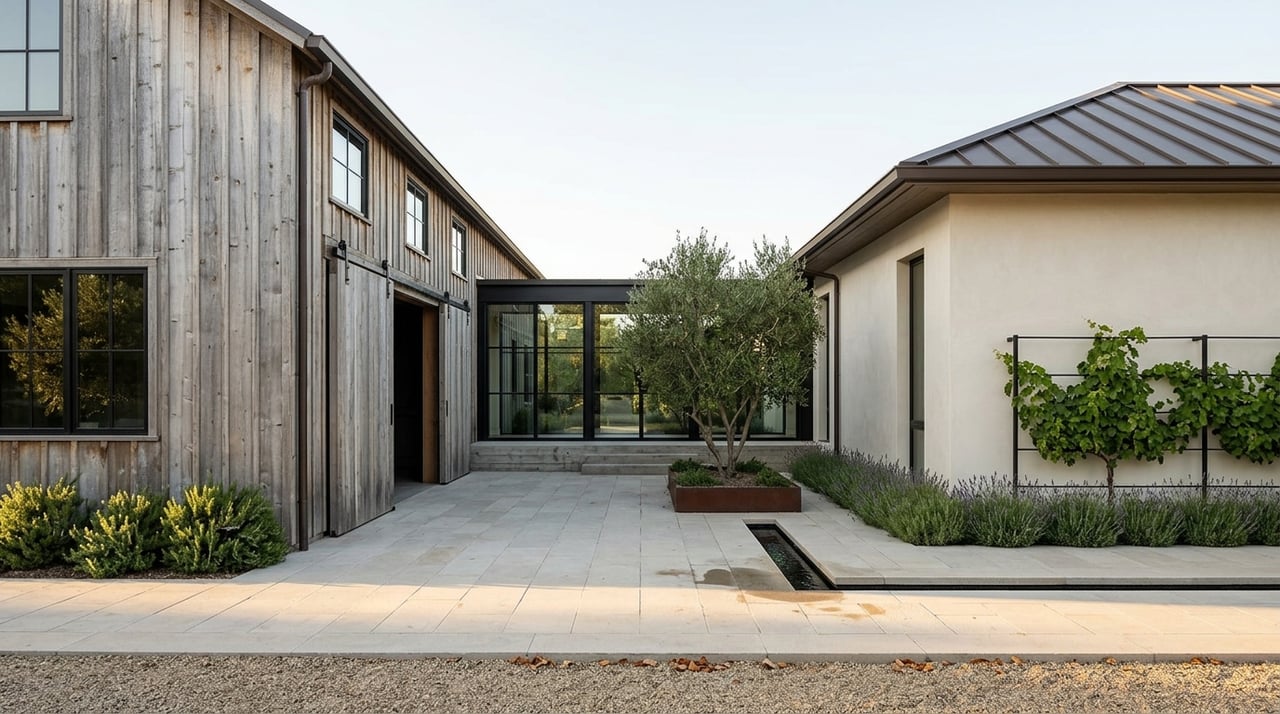
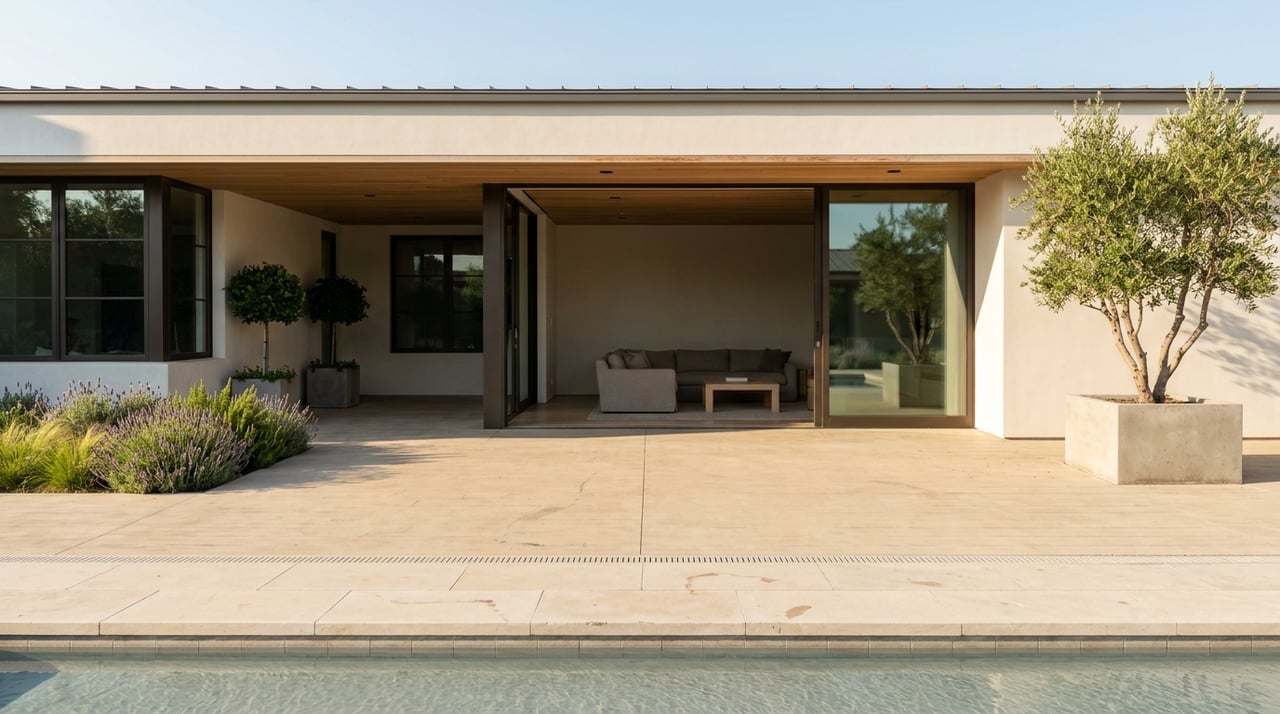
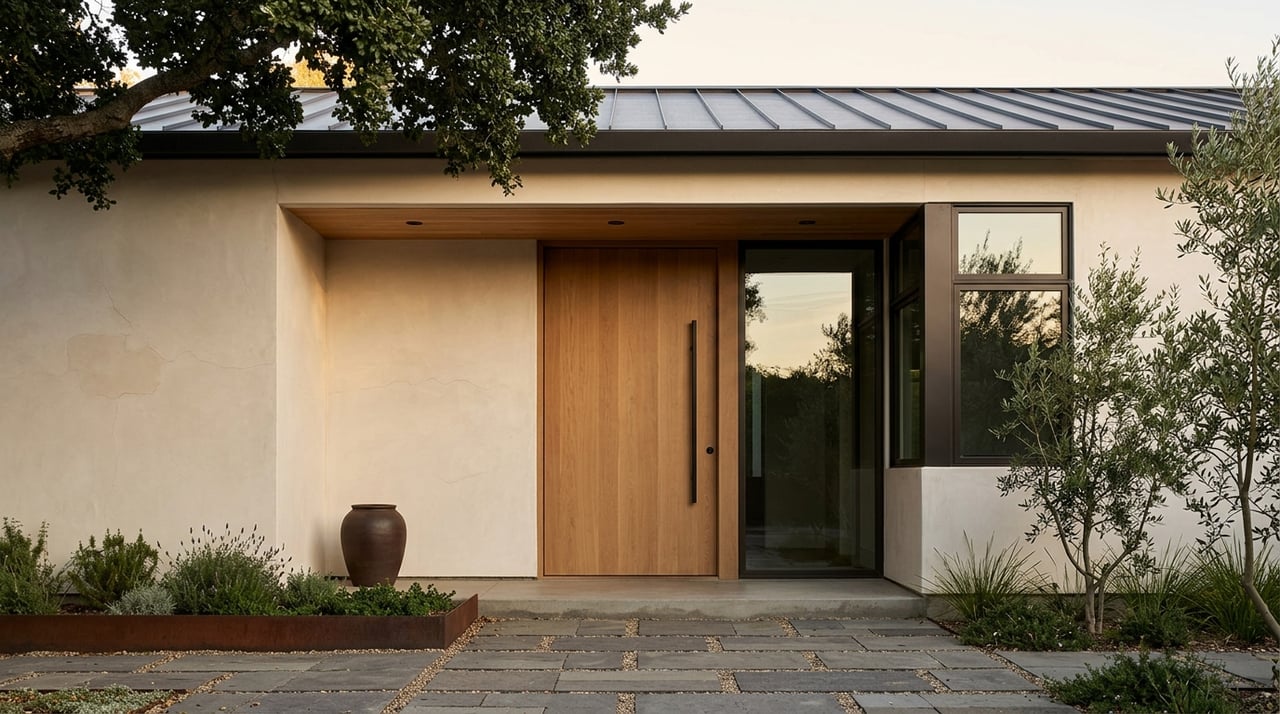
In Petaluma, a modern estate compound is best understood as a legally coherent, landscape-sensitive property with multiple living and gathering spaces. It is not simply a collection of structures added over time without a clear plan.
That distinction is important because local rules shape what is possible. The strongest repositioning approach is usually one rooted in stewardship: retain the ranch setting, improve usability, and add clearly documented secondary living space where permitted.
For owners, that can mean creating flexibility for extended household use, long-term guests, or work-from-property needs. For buyers, it often means looking beyond finishes and views to the underlying questions of zoning, access, water, wastewater capacity, fire considerations, and review pathways.
Before you think about design, you need to know whether the property is inside city limits, within Petaluma’s urban growth boundary, or in unincorporated Sonoma County. That location can change the review path in meaningful ways.
Inside the city, Petaluma’s zoning map, Implementing Zoning Ordinance, and permit system define permitted, conditional, accessory, and prohibited uses. They also govern building location, height, parking, signs, and other key development standards.
On rural or edge parcels outside city limits, Permit Sonoma is typically the practical starting point. County projects may involve several review tracks, including building, planning and zoning, engineering, fire, and well-and-septic.
Petaluma’s planning framework is also active right now. The city’s General Plan Update site notes that the draft General Plan and Draft EIR were released on March 27, 2026, the public review period ended May 18, 2026, and final adoption materials are expected later in 2026. In practical terms, you should treat land-use and design expectations as current and important, not static.
One of the clearest ways ranch properties are repositioned into more flexible residential estates is through accessory dwelling units. In Petaluma, ADUs and JADUs are permitted by-right on residentially zoned lots and require a building permit.
The city also notes that ADUs permitted after September 7, 2017 may only be rented for more than 30 days. They cannot be used as short-term vacation rentals. That means any compound vision should be framed around long-term flexibility, not short-stay hospitality use.
For unincorporated Sonoma County parcels, the county’s ADU checklist says an ADU may be allowed only where there is an existing or proposed legally permitted primary residence. The county also allows both an ADU and a JADU on a single-family lot, subject to its rules.
County restrictions follow the same general direction. An ADU cannot be used as a vacation rental or guest house and cannot be offered for fewer than 30 consecutive days.
If you are repositioning a legacy ranch, ADUs can help create a more versatile estate footprint without losing the property’s core identity. A well-planned secondary unit can support multigenerational living, long-term household flexibility, or a more complete live-work arrangement.
Just as important, documented legality matters. Buyers evaluating a compound-style property will often place a premium on spaces that are properly permitted and clearly aligned with local rules.
If you are shopping for a Petaluma ranch with compound potential, do not assume every detached structure has the same legal status. A beautiful barn conversion, guest structure, or studio may or may not have been reviewed and permitted for the use you have in mind.
That is why diligence matters early. The appeal of a property is not only how it looks, but whether its existing improvements and future plans can stand up to real scrutiny.
Even when a property is not downtown, design review can still play a role. Petaluma’s Site Plan and Architectural Review process, known as SPAR, is intended to protect the city’s look and feel.
The city also notes that projects in historic districts or involving city landmarks have a separate historic category. In addition, the zoning framework includes hillside protection and tree preservation chapters, which can affect visible or topographically sensitive sites.
For modern estate planning, that means good design is not only about aesthetics. It is also about fitting the site, respecting visibility, and understanding how form, placement, and landscape treatment may be reviewed.
The biggest limit on a ranch-to-compound conversion is often not imagination. It is infrastructure.
For rural properties, onsite wastewater and water systems can be decisive. Sonoma County’s onsite wastewater manual states that building permits imposing additional burdens on an existing system must be reviewed for septic clearance, and that clearance is withheld until the burden is mitigated.
That should shape how you think about value. Adding another legal living space, expanding a residence, or intensifying use may depend less on the floor plan and more on whether septic capacity, site conditions, and related approvals can support it.
The county’s separate well-and-septic fees and evaluation steps also suggest a practical reality: rural property improvement often involves testing, design, plan check, and inspection as part of the normal path.
While each property is different, the city and county review structure points to a consultant team that often includes:
This is not a formal checklist from one local agency. It is the practical mix suggested by the fact that projects may touch planning, building, engineering, fire, and well-and-septic review.
For many estate buyers and owners, wildfire readiness is now part of responsible site planning. CAL FIRE states that properties in State Responsibility Areas or Very High Fire Hazard Severity Zones in local responsibility areas must comply with defensible-space requirements.
The State Fire Marshal explains that these hazard zones are mapped using factors such as fuels, terrain, and fire weather. Petaluma’s wildfire resources also point residents toward county preparedness tools, evacuation information, and alerts.
In practical terms, wildfire planning should not be treated as an afterthought. It belongs alongside access, water, landscaping, and building placement when you are evaluating compound potential.
If you are considering a Petaluma ranch as a future estate compound, start with the property’s fundamentals before you fall in love with the concept. The right questions can save time and protect capital.
Focus on these early diligence points:
A property with strong fundamentals can support a much clearer path to value. A property with unresolved infrastructure or permit issues may still be attractive, but it calls for a very different strategy.
If you own a ranch property with multiple structures or estate-compound potential, preparation can shape how buyers perceive both value and risk. The goal is not to oversell a concept. It is to present a clear, credible story supported by facts.
That usually starts with documentation. Buyers respond well when the property’s use history, permit status, site systems, and development pathway are organized and easy to understand.
For higher-value properties, thoughtful pre-sale improvements can also help clarify the lifestyle story. That may include improving visual cohesion, refining how outdoor areas connect, and presenting the property as a place of stewardship and flexibility rather than as an improvised collection of buildings.
In a market where discretion and narrative matter, the best estate marketing also respects the property’s legal reality. The strongest positioning is often calm, precise, and evidence-based.
In Petaluma, ranch-to-compound repositioning is compelling because it reflects how people want to live now while staying tied to the area’s agricultural identity. But the best outcomes usually come from pairing design ambition with practical diligence.
That is especially true for legacy holdings, multi-acre estates, and properties that may attract out-of-market buyers. These purchasers often respond to beauty and possibility, but they also want confidence that the property’s story holds up under review.
When vision, legality, and land sensitivity align, a Petaluma ranch can become something much more enduring: a modern estate compound that feels authentic to place.
If you are evaluating a Petaluma ranch, preparing a legacy property for sale, or considering how to position a multi-structure estate for the right buyer, The Goldman Gray Group offers senior-led, discreet guidance shaped by Wine Country property expertise.
Stay up to date on the latest real estate trends.